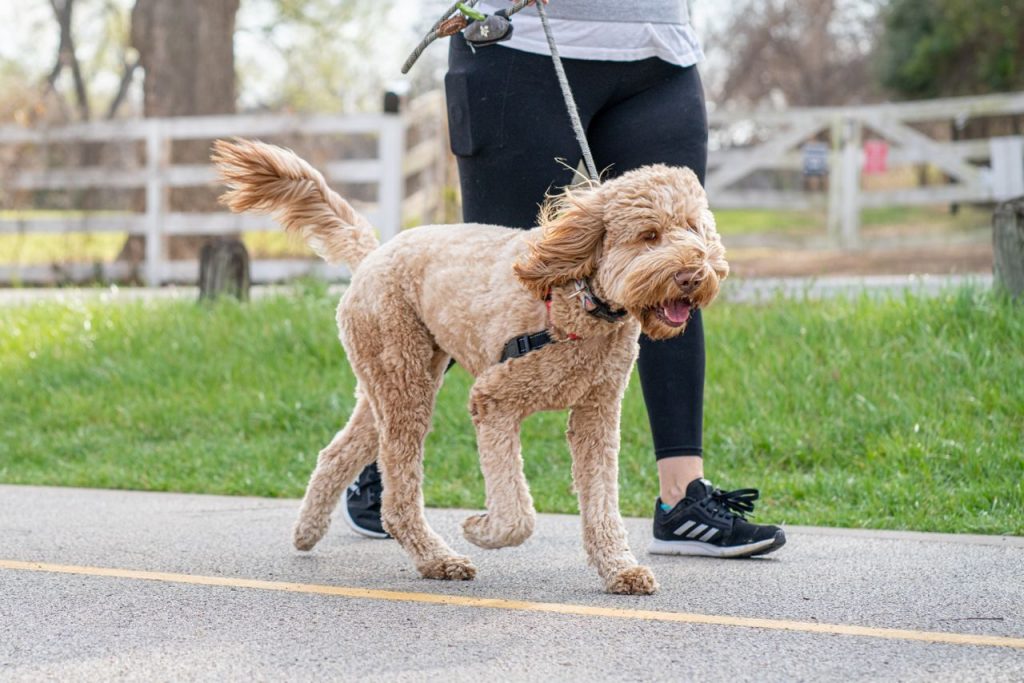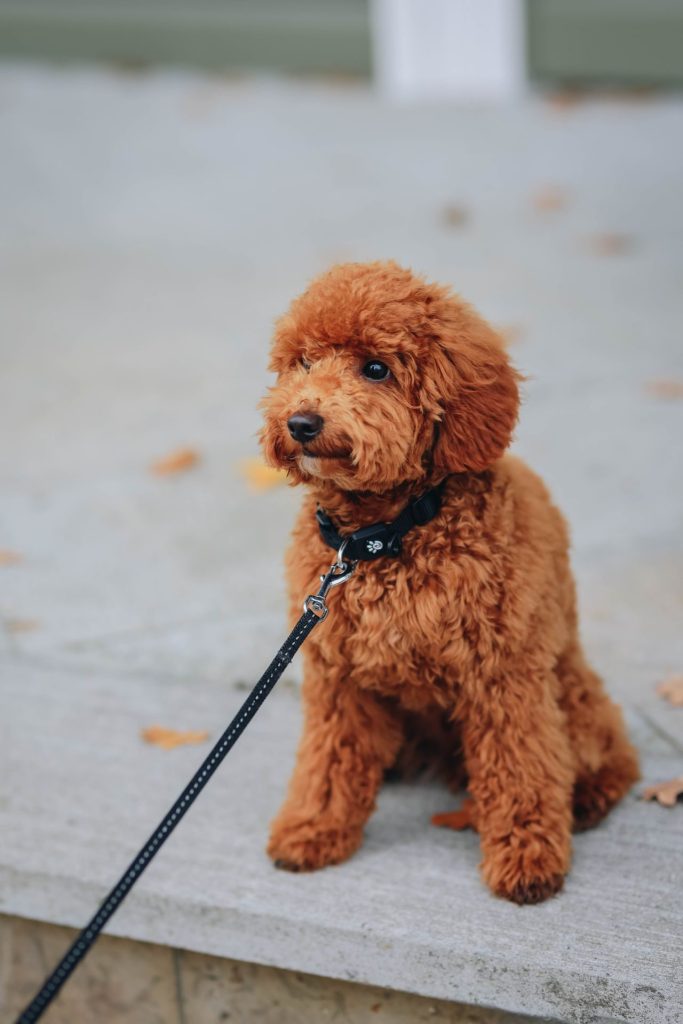
Planning walks around what a dog can actually reach and choose on any given day keeps the emphasis on the immediate environment rather than on fixed distances or speeds. The first step is to list the paths, verges and open patches within a short radius of the house and note which ones allow the dog to alter direction without crossing roads or losing sight of the handler.
Once those options are written down, the next task is to check each one for surface variety and exit points so the dog can move away from a patch that no longer interests it. This approach turns the walk into a series of small decisions rather than a single route decided in advance.
Listing nearby spaces you can reach on foot
Start by walking the streets immediately around the house at a quiet time and marking every grass strip, alley entrance and small park on a simple paper map or phone note. Include any private land that the owner has permission to cross and note the time of day when access is reliable.
Next, group these spaces by how long it takes to reach them from the front door. Separate the list into under-five-minute spots and those that need ten to fifteen minutes so you can pick the right group on days when time or weather limits the outing.
Review the list every few weeks because building work or seasonal planting can close or open routes without warning. Keeping the notes up to date prevents the handler from heading out only to find the intended space is no longer usable.
Checking surfaces and retreat options
For each marked space, note the main surface types: short grass, longer grass, gravel, tarmac or packed earth. Different surfaces give the dog different textures underfoot and different scents, so a short route that crosses two or three surfaces already offers more choice than a longer stretch of the same material.
Look for at least two ways out of every area. If the only exit is back the way you came, the dog has fewer chances to change its mind once it has entered. Routes that loop or have side paths let the dog signal a preference by turning its head or body toward one exit.
Mark any areas that become muddy or slippery after rain so they can be avoided on days when footing matters more than exploration. The same note can record spots that stay shaded in warm weather or sheltered in wind.
Setting the lead length for each section
Decide in advance which parts of the route will use a shorter lead and which will allow a longer one. A shorter lead works well on pavements with traffic or narrow paths where the dog needs to stay close; a longer lead suits open grass where the dog can investigate at its own pace while still remaining in sight.
Carry a spare shorter lead or a way to shorten the current one so the length can be adjusted without returning home. The change happens at clear landmarks such as the entrance to a park or the start of a pavement, making the rule consistent for both dog and handler.
Practice the change a few times on familiar ground so the dog learns that the lead length signals the expected behaviour without any pulling or correction.
Building in pauses at decision points
Identify two or three places along the route where the dog can stop and look around before the next choice is offered. These pauses can be at a junction of paths, the edge of a grass patch or a bench where the handler can stand still for a minute.
At each pause, wait for the dog to orient its head or move its feet before moving on. The handler does not need to name the choice; simply remaining still gives the dog time to indicate preference through body position.
If the dog shows no clear direction after a short wait, the handler can suggest one of the available paths with a small step in that direction and see whether the dog follows or turns elsewhere.
Recording what worked on each outing
After the walk, note which surfaces the dog spent the most time on and which exits it chose when given the option. Over several outings a pattern appears that shows the dog’s current preferences without assuming those preferences will stay the same forever.
Keep the notes brief: surface type, time spent, weather and any change in the dog’s movement. These records help when planning the next walk because they show which combinations of space and surface are currently useful.
Share the notes with anyone else who walks the dog so the same choices are offered consistently. Different handlers may notice different details, so combining observations gives a fuller picture of what the dog selects.
Adjusting the plan when conditions change
When a familiar route becomes busier or part of it is closed, return to the original list of spaces and substitute another area of similar surface and size. The checklist remains the same; only the specific locations change.
If the dog begins to hesitate at a previously liked spot, note the change and offer an alternative route the next time rather than insisting on the original path. The focus stays on maintaining access and choice rather than on completing a set circuit.
Review the whole list seasonally. Longer daylight in summer may open evening routes that are too dark in winter, while winter mud may close grass areas that were reliable in drier months.
Keeping the focus on the dog’s immediate environment
The checklist works best when it stays tied to the actual streets and patches the handler can see from the house rather than to abstract goals. Each entry records what is reachable today and what choices that reachability creates for the dog.
Over time the notes become a practical map of local opportunities that can be rearranged as the dog’s preferences or the neighbourhood itself changes. The method requires no special equipment beyond a way to record observations and the willingness to let the dog’s behaviour guide the next decision.