Write the trip before the packing list
Begin with where you are going, how you will travel and how you can return if the plan changes. A short local outing and a longer trip do not create identical practical needs. Check the current setting and any individual professional guidance before choosing equipment. A generic list can prompt ideas, but it should not persuade you to carry every accessory while leaving the actual return plan or water arrangement uncertain.
Think about the transitions: leaving the home, transport, arrival and any stops. Decide who is responsible for the dog at each stage. Do not build a trip around leaving the animal in a parked car while other tasks are completed. Packing should support an appropriate plan rather than make an unsuitable itinerary seem manageable through extra gear. A simpler outing can be a better decision than a heavier bag full of products intended to compensate for unresolved practical problems.
Start with water and ordinary care
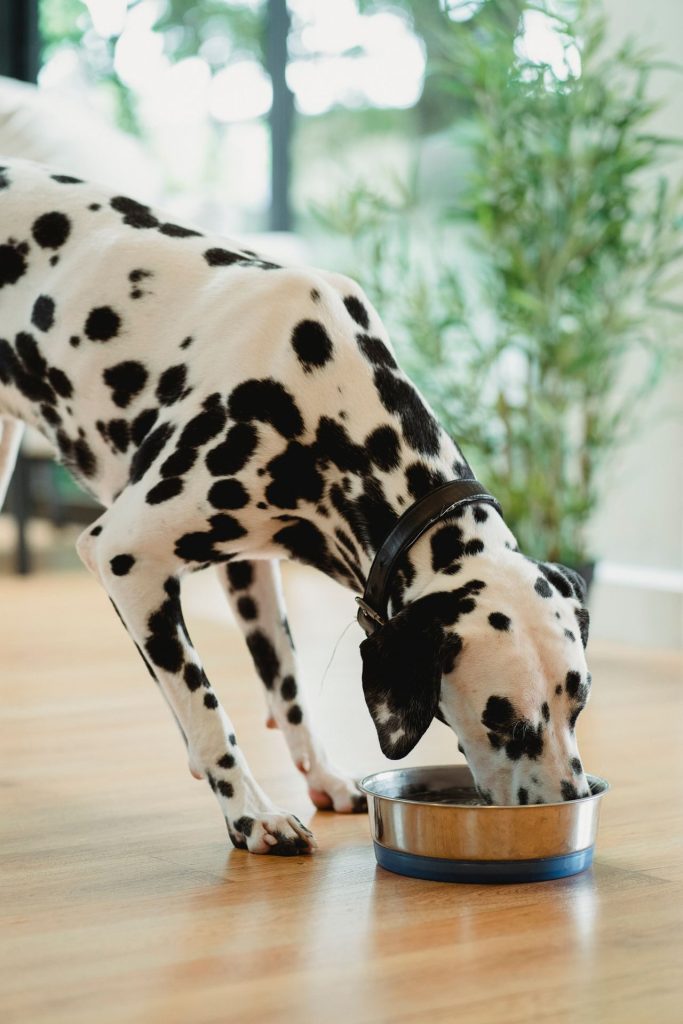
Arrange appropriate fresh water access and a suitable clean drinking container, considering the trip rather than assuming a public source will be available. Follow any relevant existing individual advice. Include the ordinary waste supplies and a way to carry used materials responsibly where needed. Keep these items easy to reach so they do not become a search through the bottom of the bag while attention should remain on the dog and surroundings.
If food is part of the outing, keep it identifiable and handle it under its instructions and the existing care plan. Do not invent an extra feeding amount because the trip sounds active or a pet travel guide gives a universal allowance. Where another caregiver is involved, agree what will be offered and record relevant details. A practical bag supports clear care information rather than creating another source of uncounted extras and uncertain substitutions.
Check equipment before putting it in
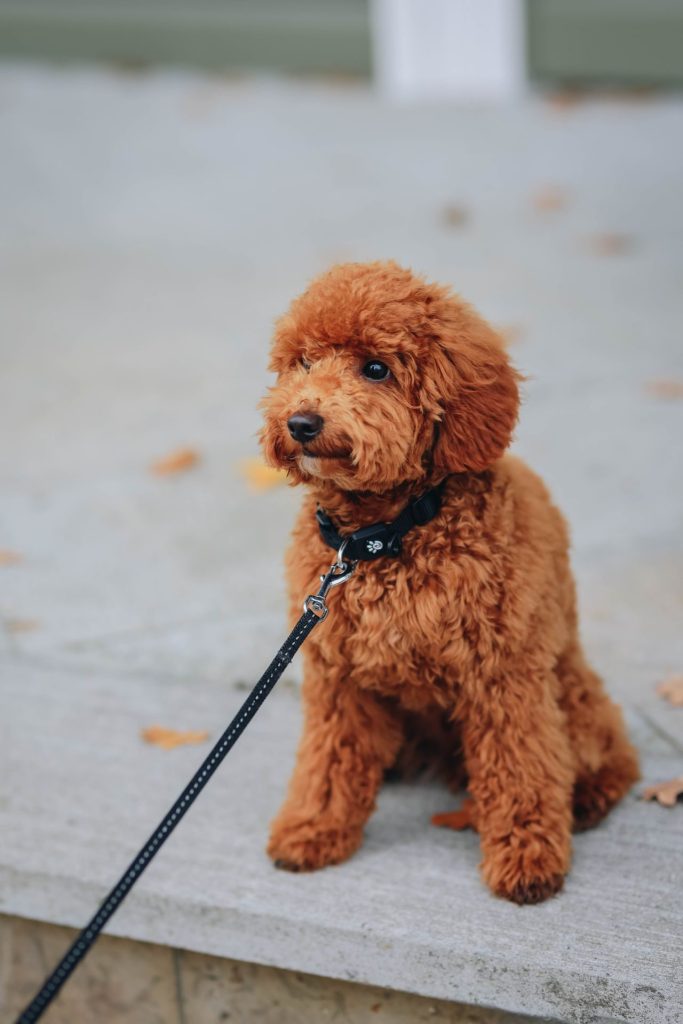
Inspect familiar leads, harnesses and other intended equipment according to their instructions. Keep the correct product and any necessary documented components together. A spare item is useful only when it is appropriate and its condition is understood; an old damaged lead is not a dependable backup merely because it fits in a pocket. Avoid improvised attachments or assuming that a working buckle establishes the whole arrangement is suitable for the planned activity.
Pack around the responsible adult’s handling capacity. Loose accessories can make it harder to manage a lead or keep attention available, so organise the bag with frequently needed items accessible and heavier objects stored appropriately. Consider how you will close and carry it. The best arrangement is one you can use deliberately in the real setting, not a photograph showing every possible gadget laid out neatly before the dog is involved.

Keep contacts and existing instructions accessible
Carry verified local veterinary and emergency contact details appropriate to the outing location, plus the relevant owner or backup contact where another person provides care. Keep existing professional instructions available without turning the bag into a source of owner-invented emergency treatments. Medicines, if required under an agreed plan, need their own appropriate handling and clear responsibility. Do not assume every companion on the trip is able or authorised to carry out a clinical task.
For unfamiliar areas, check the route to appropriate help in advance rather than depending on a foreign hotline number copied from a general guide. Keep private information secured while allowing the responsible adult to find what is needed. A phone-only record may be inconvenient if access depends on another person, so choose a practical backup format where appropriate. Clear contact preparation reduces searching; it does not replace prompt professional advice when a serious concern occurs.
Finish with a departure and return check
Before leaving, review weather, access and the dog’s current state alongside the bag. A packed bottle or cooling accessory cannot establish that an outing is suitable in heat or make a fixed distance obligatory. Change the plan when needed. If urgent current signs appear, use the veterinary contact route rather than trying to manage the event solely through supplies chosen for ordinary care. The bag is support for judgement, not a substitute for it.
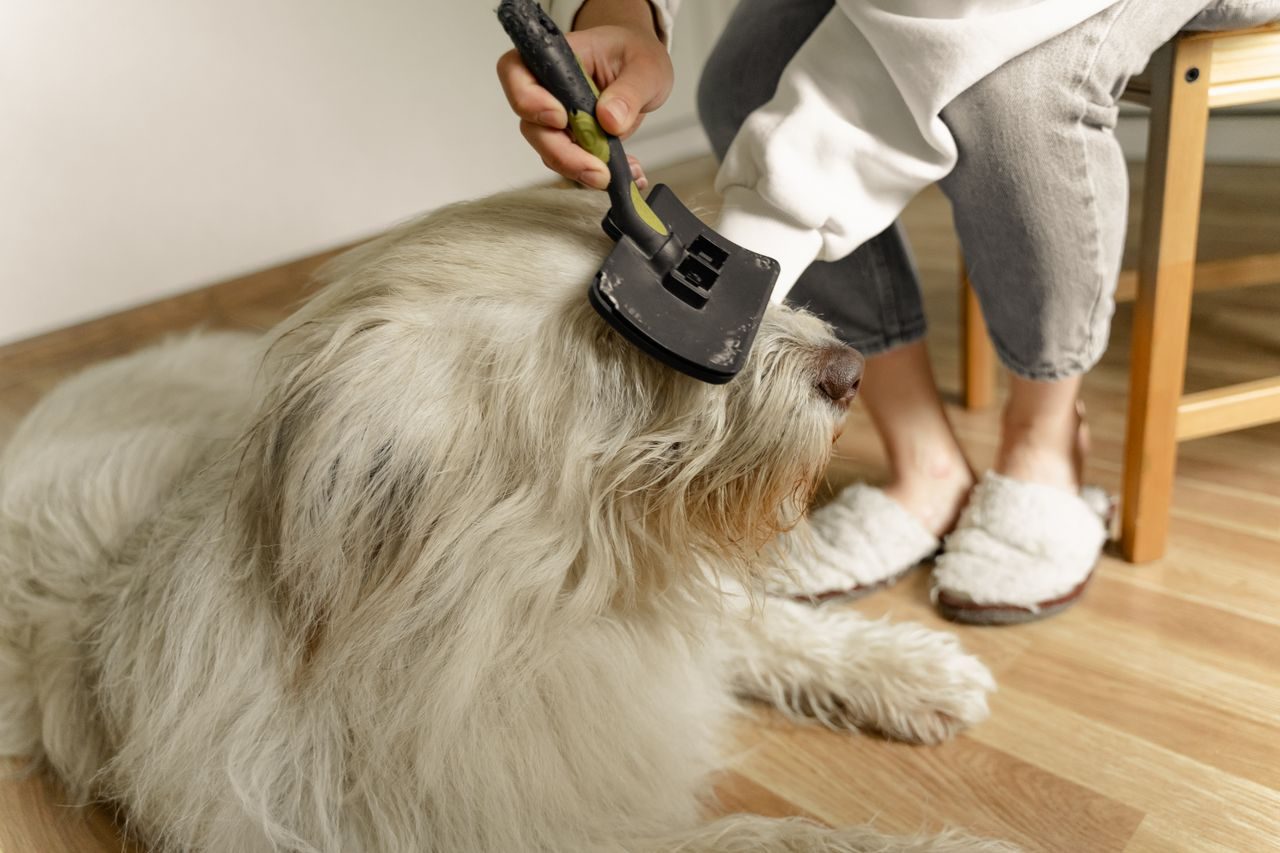
After returning, clean and dry relevant equipment, restock used supplies and separate damaged or uncertain items from ready ones. Record any practical gap specific to the trip instead of buying a new collection of accessories automatically. A useful outing bag evolves through clear needs: appropriate water access, familiar equipment, waste management and reachable information. Its success is that ordinary tasks remain manageable, not that it contains the greatest number of products promising to prepare an owner for every possible event.