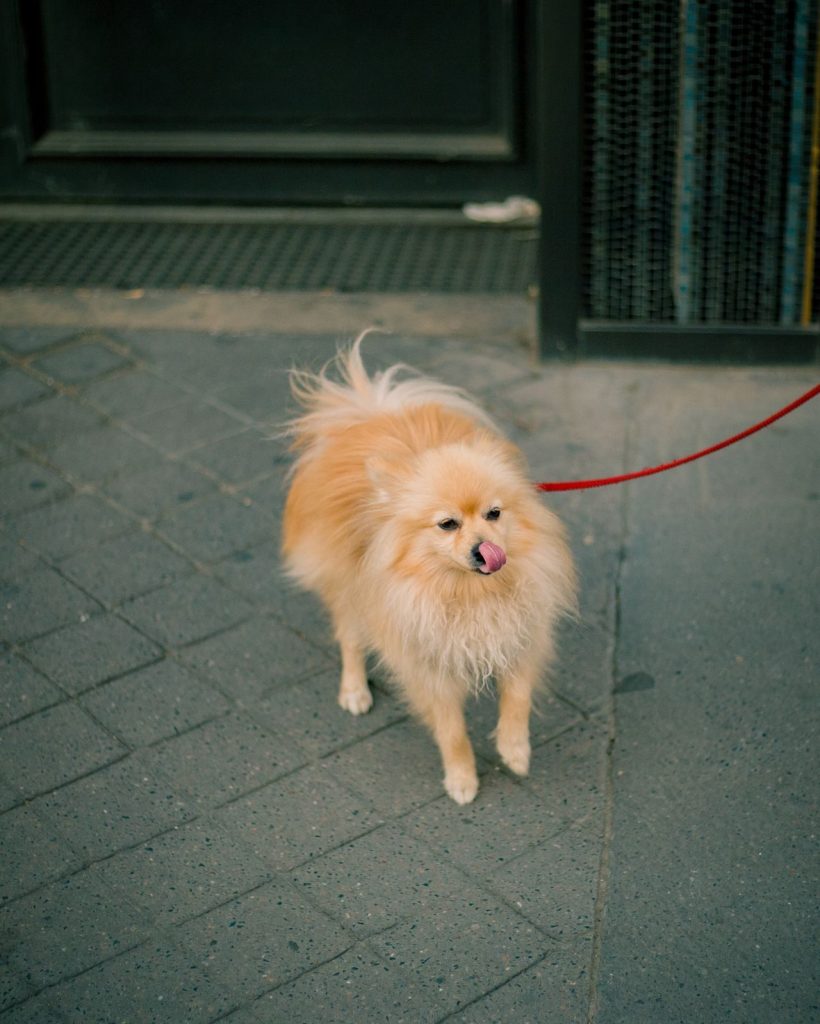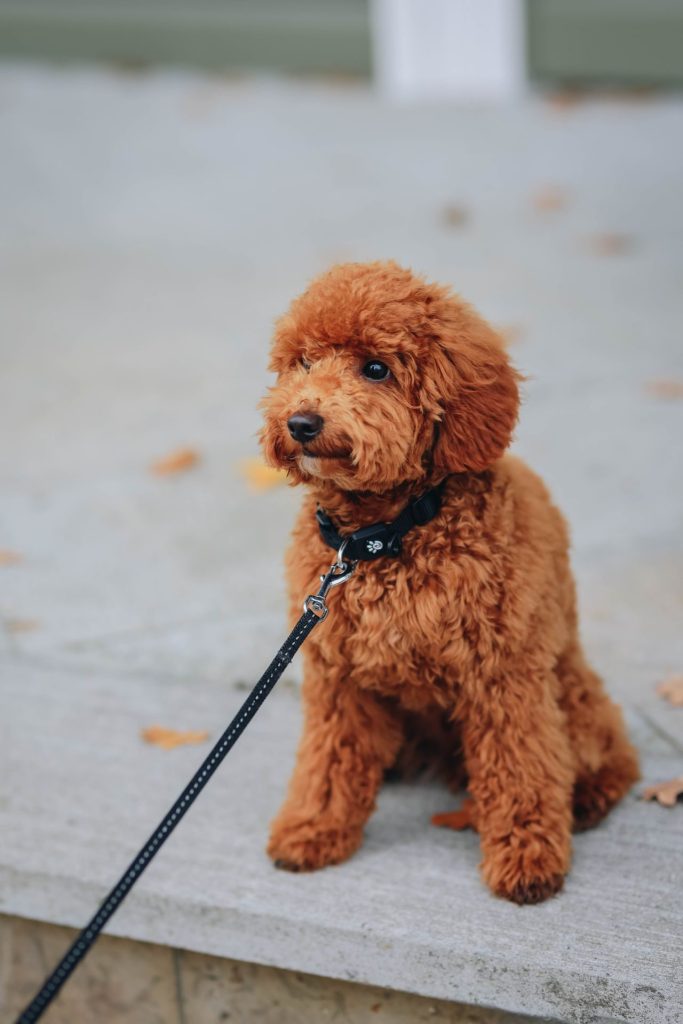
What to Record When a Familiar Walk Becomes Difficult
Record a changed walk through the surface, setting and visible actions, then use those details for appropriate advice instead of pushing on to complete the route.
Read the story
Environment, access and choice rather than universal exercise formulas.
Record a changed walk through the surface, setting and visible actions, then use those details for appropriate advice instead of pushing on to complete the route.
Read the storyChoose supervised indoor activities with suitable objects and a clear space, avoiding loose-part experiments and promises that one game resolves behaviour concerns.
Read the storyPack for the real dog outing with water access, familiar equipment, waste supplies and verified contacts, then review the bag before each trip.
Read the storyAgree space, pace and exit options before walking with another dog owner, keeping greetings optional and either person free to change the plan.
Read the storyPlan water-side outings through conditions, access and active supervision, treating a suitable life jacket as one item with limits rather than safety permission.
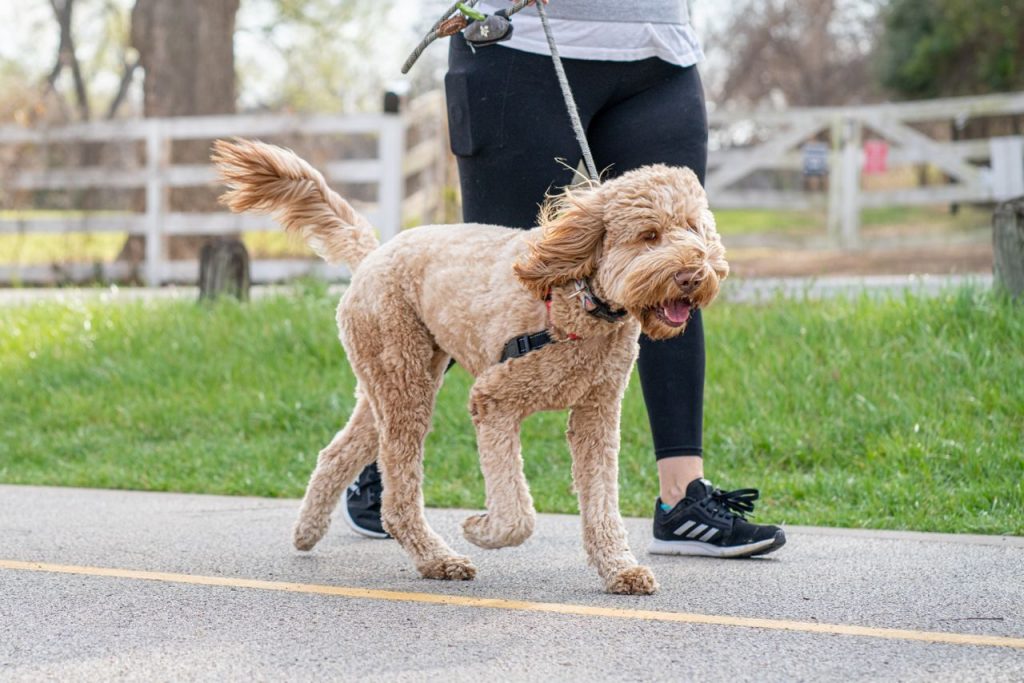
Read the storyChoose a walk through its surfaces, available space and return options, adapting the plan to the individual dog instead of completing a fixed distance.
Read the storyLeave room for appropriate sniffing and exploration during walks, while observing the surroundings and keeping the activity separate from a constant training test.
Read the storyReview heat, surfaces, water access and your dog’s individual needs before a warm-weather walk, with a clear plan to change the outing or seek help.
Read the storyChoose lead length through the route, space and equipment instructions, keeping humane handling and current local rules in view instead of one fixed ideal.
Read the story