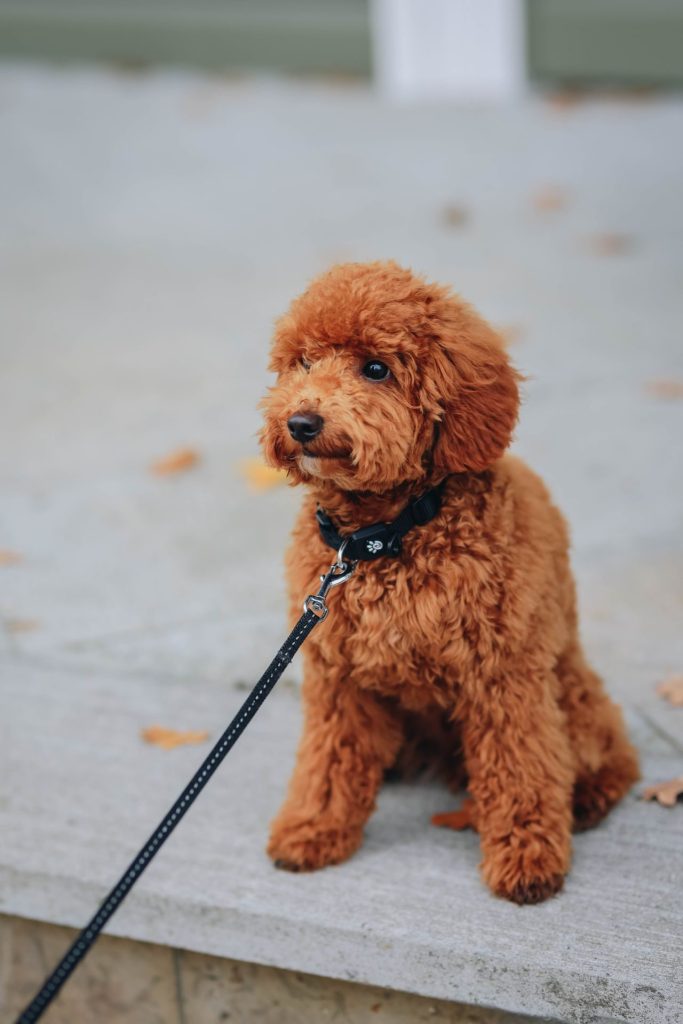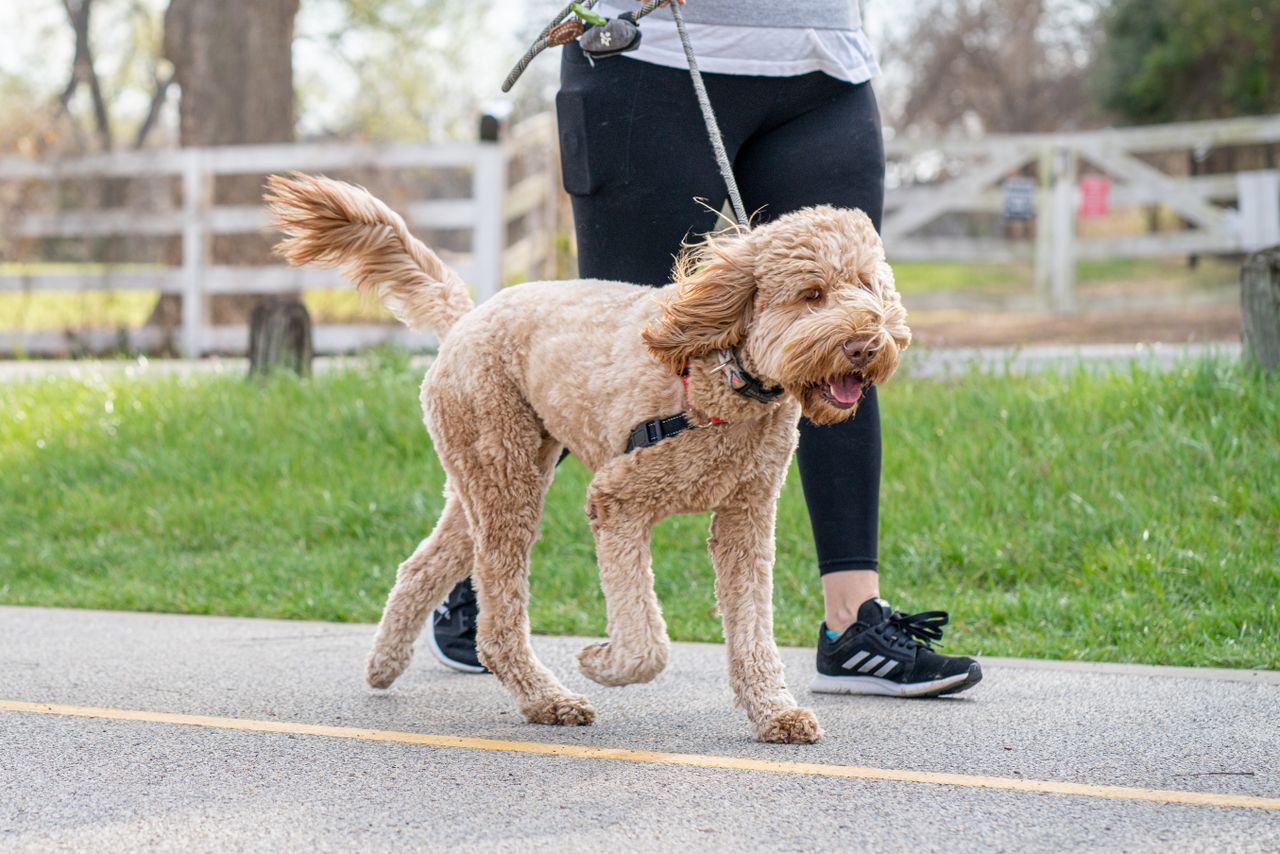
Divide the route into settings
A single walk may include a doorway, pavement, open area and a narrow crossing. Think about those settings separately before deciding which lead arrangement is practical. The length that leaves comfortable room in one place may obstruct others in another. Start with the actual route and the dog’s established needs rather than choosing a number from a general claim that every animal should always be walked on the same amount of lead.
Check current local requirements with the relevant authority or land manager where access or lead rules matter. Do not import a legal statement from a foreign walking guide and present it as the rule for a Dutch route. Keep the current location and date in mind. Suitable equipment and consideration for other users remain practical responsibilities even when a public sign does not answer every question about how the outing should be managed.
Read the whole equipment arrangement
Identify the lead’s intended use, attachment guidance and any relevant limitations from the maker. Check the condition of the lead and compatible equipment before leaving, including fittings and adjustment points where applicable. Do not assume a working clip proves the entire arrangement is reliable or that a product described as strong is suitable for every dog and activity. Keep uncertain or damaged equipment separate until the appropriate next step has been established.
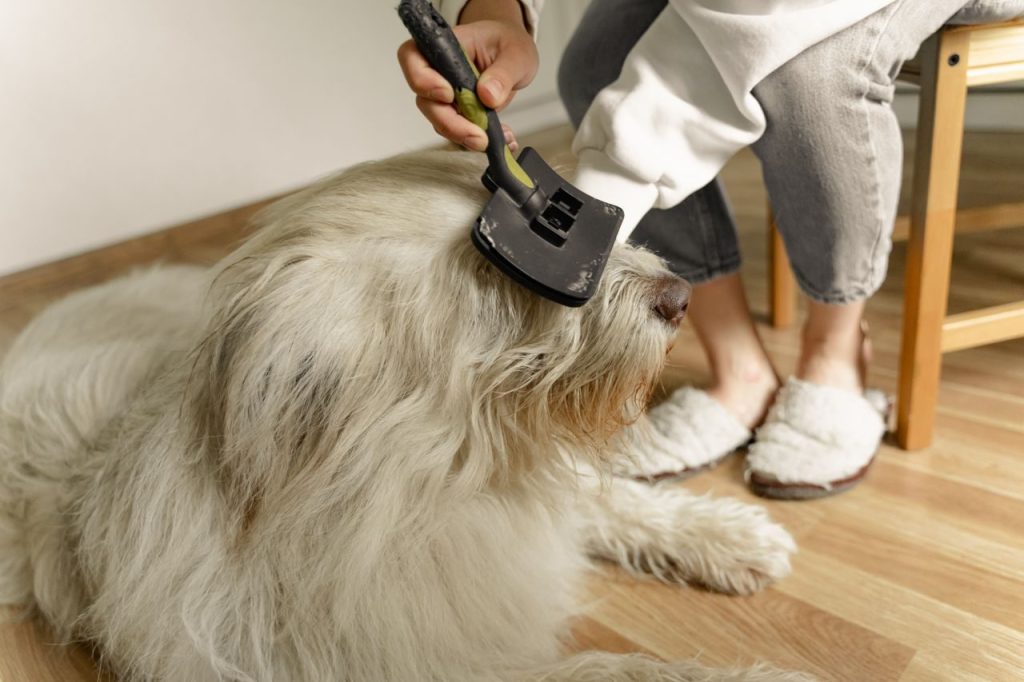
Consider how the lead will be held and managed without creating loops or loose material that complicate movement. Follow the product’s instructions and seek qualified fitting or handling help where necessary. Avoid improvised attachments and coercive techniques such as jerks or painful tools. A longer or shorter product should support appropriate humane management, not become a device for forcing a dog through an interaction that would be better handled through space and an individual plan.
Allow shared-space room
Look ahead for people, animals, bicycles and narrow passages so changes can be made deliberately rather than at the last second. Keep the dog from entering another person’s space simply because the equipment allows more reach. An open-looking area is still shared space. Appropriate flexibility includes choosing a quieter path or creating distance, not treating the full available lead length as an entitlement to spread across every route or approach every passing dog.
Agree expectations before walking with another person. State that greetings are optional and that either owner can move away or end the plan when needed. Do not use lead length to insist that two animals remain close until they accept one another. The equipment question should sit within a welfare-focused outing, not replace the broader judgement about whether the setting and interaction are suitable for the individual dogs involved.
Practise the human organisation
Prepare the bag, waste supplies and other items so handling the lead does not compete with searching pockets or carrying loose objects. Keep the responsible adult’s attention available. A technically suitable lead can still be awkward when the person is trying to manage a phone, drink and several unrelated tasks at once. Simplifying what you carry may solve a practical handling problem more clearly than buying a product promising greater control without explaining the whole setup.
If an outing repeatedly feels difficult, record the setting and specific movement that caused the problem. Was there little room to pass, an awkward gate or a confusing equipment adjustment? Discuss the actual issue with a suitable reward-based professional where needed. Avoid interpreting every difficulty as the dog refusing leadership. A clear description can lead to a more appropriate route or plan rather than another purchase or a more forceful way of using the same equipment.
Choose for the trip you will take
Before buying, compare the candidate with the real settings on the route and the instructions for the complete arrangement. Include care, storage and inspection, not only length and colour. Keep the product reference so future questions can be answered accurately. Use the maker’s intended-use and fit information to assess the complete arrangement. If a review claims escape-proof performance, check its method and limits; a specification sheet alone cannot establish that result for your dog.
A useful lead decision is specific: suitable for the animal and intended activity, manageable for the adult and considerate of the surroundings. It can include changes between appropriate arrangements when the plan and equipment allow them. It does not require a universal ideal length. The strongest plan combines current local information, humane handling and enough room to avoid unnecessary pressure, keeping the lead as one tool within responsible care rather than the answer to every walking difficulty.