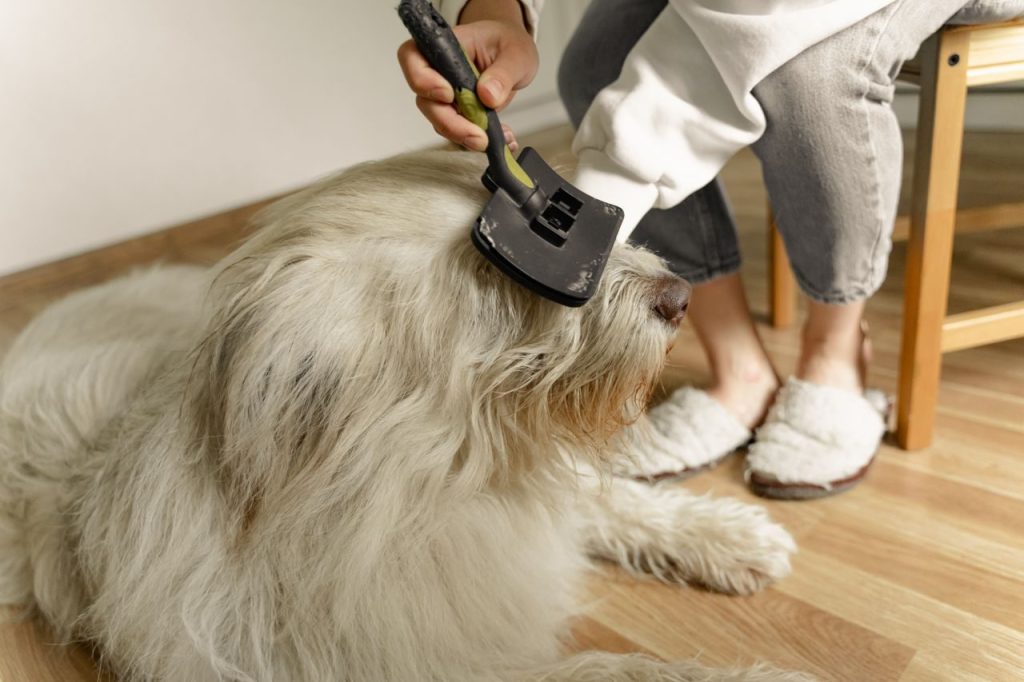
A focused approach to extracting published feeding guidance and product statements from dog food packets so that questions for a vet remain precise and relevant.
Read the story ↗
How to keep practical notes on meals and routines so conversations with a vet stay focused and useful across the years.
Read the story ↗
How to examine feeding tables, note actual daily patterns and prepare precise questions that help a veterinary appointment stay focused on information rather than assumptions.
Read the story ↗Assess treats and chews through intended use, the individual dog and active supervision, keeping packaging details instead of trusting a natural label alone.
Read the story ↗Clarify why a diet change is being considered, gather the current food details and ask for an individual plan instead of starting several substitutions at once.
Read the story ↗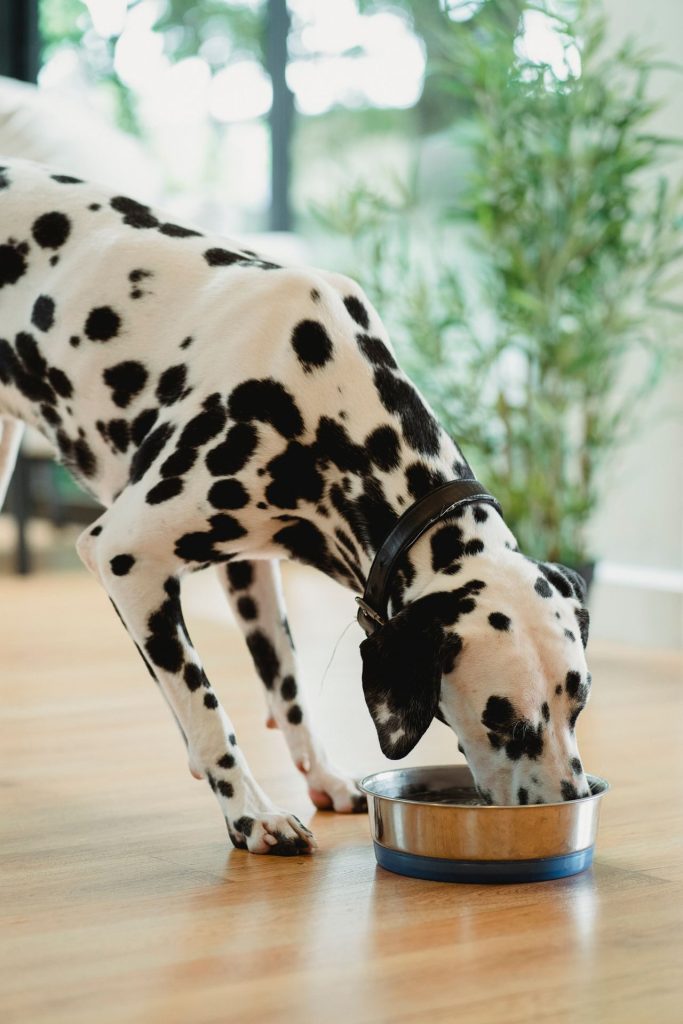
Compare feeding accessories through stability, cleaning and the dog’s ordinary access, keeping product functions separate from promises to prevent disease.
Read the story ↗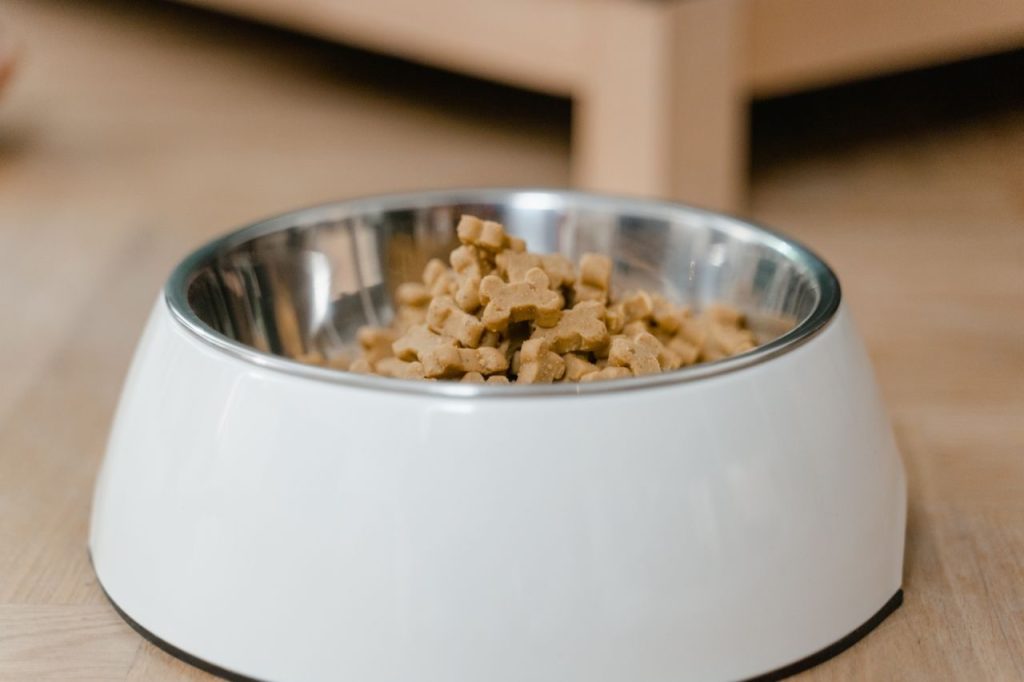
Separate pet-food advertising from an individual health claim by checking the wording, evidence and intended product use before changing care.
Read the story ↗Record the food, extras and feeding context actually involved in your dog’s day, making a veterinary conversation clearer without prescribing portions.
Read the story ↗Use weight and body-shape observations as context for an individual veterinary assessment, keeping measurements factual and avoiding targets from photographs.
Read the story ↗