Record an ordinary day accurately
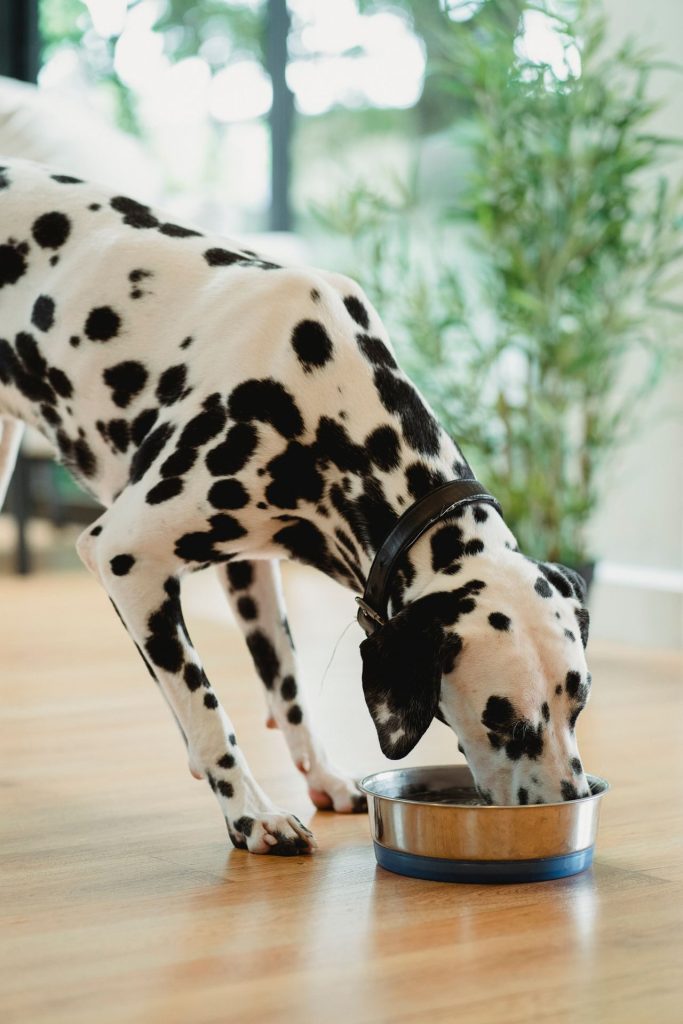
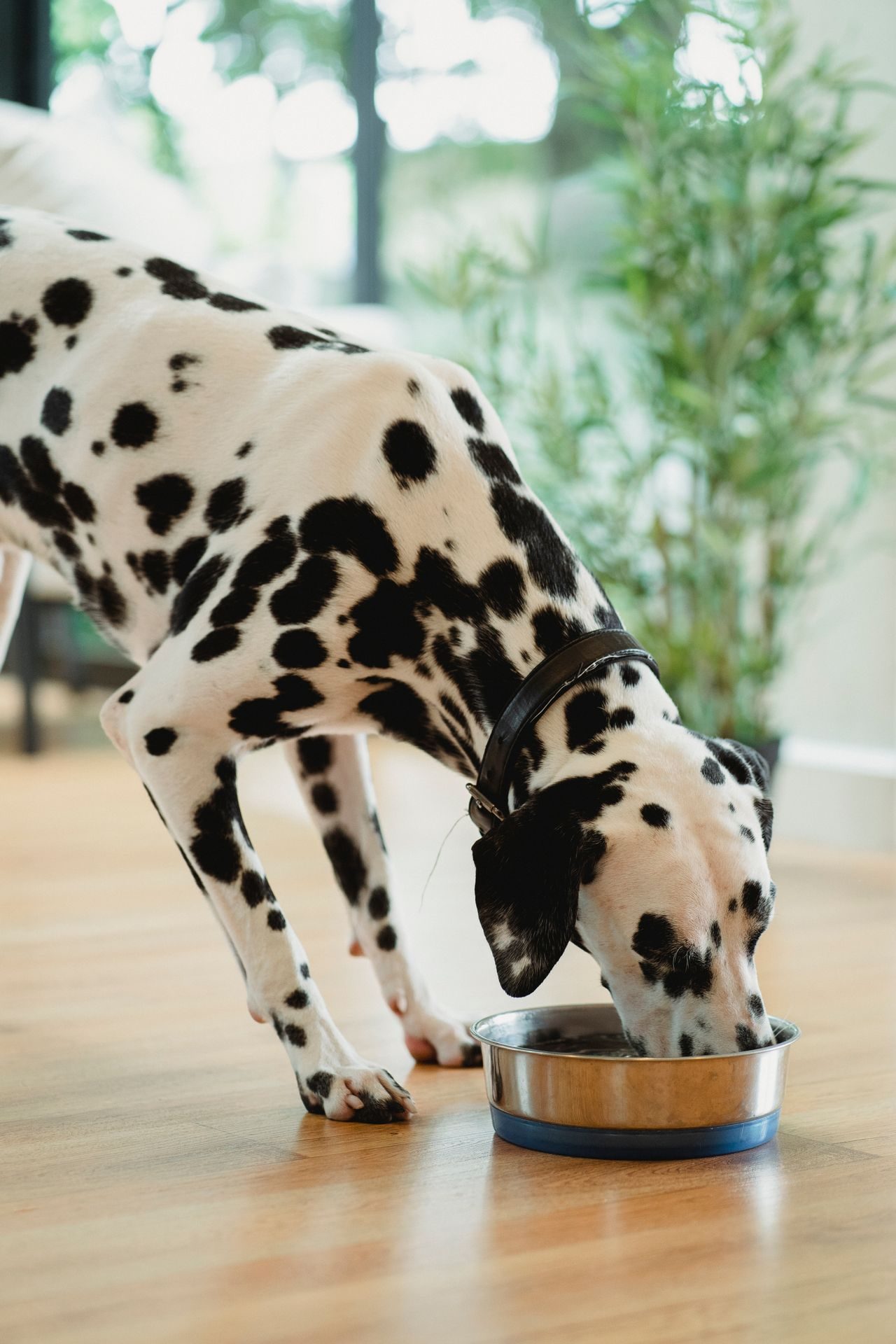
A feeding record is most useful when it describes what the dog actually receives, not the routine the household hopes is happening. Start with the exact food name, the amount offered under the existing plan and when it was given. Use clear units and identify the person completing the entry. If a quantity is unknown, say so rather than choosing a confident estimate that hides an important gap in the account.
Include what remains where that is relevant to your concern, but do not repeatedly disturb the dog during a meal to produce a precise-looking record. Keep observations practical and unintrusive. The purpose is to support a conversation with the veterinary team, not create a home diagnostic test or turn every feeding into an examination. An ordinary factual entry can be useful even when it does not contain every possible detail.
Add the easily forgotten extras
Create a separate field for treats, chews, food rewards and anything offered by another household member. Include the product identity rather than a phrase such as a little snack, which can mean different things to different people. Keep supplements or other products visible in the information you provide. Do not assume an item is irrelevant because it comes from a training pouch, a visitor’s pocket or a product labelled as natural.
Ask responsible adults to record their own contributions in the same place. A shared note near the care planner may work better than several private messages. This can reveal duplicated meals or extras without blame. The aim is an accurate overall picture, so encourage honesty about uncertainty instead of setting up a form that makes people feel they must report an ideal routine even when the day was more complicated.
Keep the setting in the entry
Note where and how food was offered when that context matters. Record a changed bowl, an unusually busy room or a different caregiver as observations, not proven explanations. A dog leaving food on a visitor-filled evening does not establish why it happened. Keeping the sequence clear lets the veterinary team ask appropriate questions without having to separate the facts from a household theory presented as a settled diagnosis.
If the routine changes during the period you are recording, mark the change clearly. Do not rewrite earlier entries to make the whole log look consistent. Dates and actual events are more useful than a polished chart. Preserve the packaging details for the food involved so the professional can distinguish an exact product change from a vague description that a different brand or another flavour was used at some point.
Summarise for the appointment
Before the conversation, select the relevant period and write a brief summary of your concern. Keep the original entries available if requested rather than presenting a large unexplained archive. The AAHA nutritional assessment guidance considers animal, diet and feeding-environment factors together. A concise record can contribute useful information without replacing the individual assessment or giving the owner a basis to prescribe a new diet independently.
List the questions you want answered: whether more information is needed, how the existing instructions should be understood or which changes require another contact. Do not assume the record itself identifies an intolerance, a digestive condition or a target weight. Keep urgent current concerns separate from the routine diary task. A serious new problem needs appropriate veterinary contact rather than waiting until several days of feeding entries have been collected.
Use the agreed follow-up
After the consultation, update the record only in the way that supports the professional plan. Keep any new instructions distinct from the old arrangement and share them with the people providing care. If a practical step is unclear, ask before improvising. The useful outcome is an understandable household routine and a clear route for follow-up, not a more complicated form filled with measurements nobody has been asked to collect.
Review whether the log still serves a purpose. Some situations may need continued recording under guidance; others may only need a simple meal-completion note to prevent duplication. Keep the format proportionate and store private care information appropriately. A feeding record makes a veterinary conversation easier through accurate details and context. It does not become more authoritative merely because it has more rows, and it cannot establish a diagnosis or safe portion by itself.