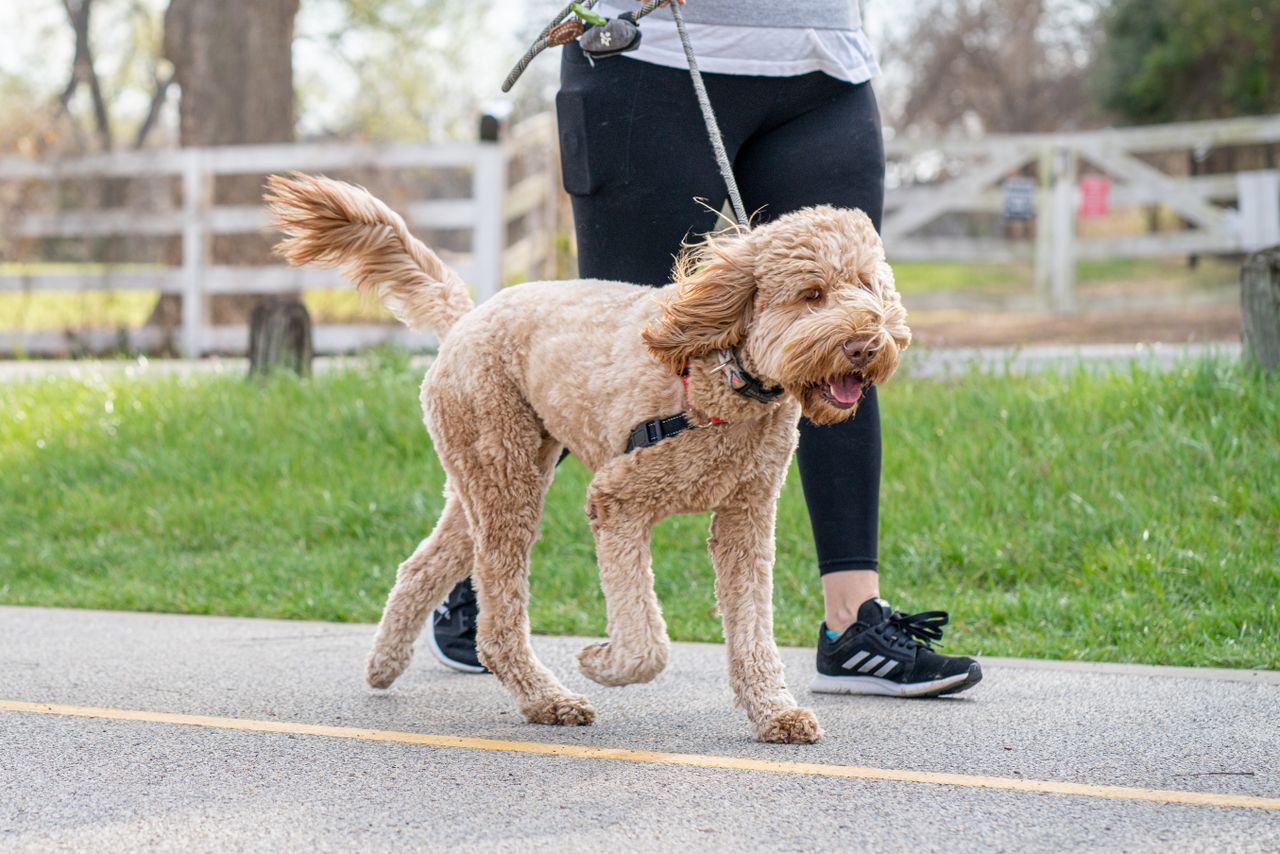
Different walking locations present distinct options for movement and exploration. Open spaces allow wider movement while enclosed routes limit options in predictable ways. The choice between them depends on the dog’s usual responses and the actual access available nearby. Owners weigh these factors against daily conditions such as weather, time available and the dog’s current energy level rather than following any fixed prescription. The comparison centres on observable features that affect choice and safety on the day.
Owners often need to decide which setting fits the day’s conditions without relying on fixed distances or breed rules. Factors such as available exits, surface variety and presence of other users shape the decision. This comparison focuses on those observable elements rather than general exercise targets. A practical approach begins with visiting both types of location at similar times of day to note differences in how the dog moves and pauses. Over several outings the patterns become clearer without needing external benchmarks.
Checking space and boundaries before setting out
Open fields usually offer fewer physical limits on direction. A dog can move farther from the handler while still remaining visible. Enclosed routes, such as narrow tracks between hedges, keep the dog closer by default because the path itself restricts sideways options. To check boundaries, walk the perimeter on foot first and note any gaps, low points or informal exits that might allow unexpected movement. Mark visible landmarks such as trees or posts that define the usable area on that visit. This step reveals whether the space truly supports wider exploration or whether hidden limits reduce the effective area. Common errors include assuming an open appearance means complete freedom when fences or ditches create practical barriers. The method applies when the dog shows interest in moving independently yet still returns to the handler within sight. Conditions that favour this check include unfamiliar locations or changes after recent maintenance work on paths or fields.
Judging boundary reliability involves observing how the dog approaches edges during the first minutes. If the dog stops at natural lines such as a change in grass height or a ditch, that behaviour indicates the space already contains useful limits. In contrast, repeated approaches to gaps suggest the need for closer supervision or a different route. Applicable conditions include times when visibility is good and no livestock or wildlife are present that might alter the dog’s focus. A frequent mistake is overlooking seasonal changes such as fallen leaves that conceal low fencing. Recording these observations after each visit builds a simple reference for future choices without requiring measurements or equipment.
Access points and return options
Entry and exit points matter when a route needs to be shortened. Open spaces often have multiple informal ways in and out, but these may cross private land or busy roads. Enclosed paths tend to have clearer start and finish points, making it simpler to turn back early if needed. Verify each access point by walking through it and confirming the surface remains passable and that gates operate without sticking. Note any seasonal obstacles such as overgrown vegetation or temporary barriers that appear after local events. This verification prevents situations where the only return involves retracing a long section or crossing unsuitable ground. The process suits outings where the dog’s pace varies and an early exit might become necessary.
Judging return options requires checking sight lines from the main path to each exit. In open fields, multiple directions may look viable yet lead to different surfaces or user densities. Enclosed routes usually offer linear returns but can become congested if another group enters from the opposite end. A practical step is to identify at least two reliable exits before starting and to observe whether the dog shows hesitation at any of them. Common mistakes include relying on memory of previous visits without checking for new obstacles. This approach works best when the outing occurs at times of moderate use rather than peak periods when exits may be temporarily blocked by other walkers.
Surface choices and their effects on movement
Grass in open fields changes with weather and season. Short turf allows steady pacing while longer grass slows steps and encourages different sniffing patterns. Enclosed routes frequently mix compacted earth, gravel or leaf litter, each producing a distinct footfall sound and grip level. To assess surfaces, observe the dog’s posture and stride length during the first five minutes on each type. Note whether the dog lengthens its step on firmer ground or shortens it on loose material. These adjustments indicate which surfaces support more relaxed movement for that individual on that day. The comparison remains useful when planning repeated visits to the same locations.
Judging suitability involves watching for signs of discomfort such as repeated paw lifting or avoidance of certain patches. Open grass may become slippery after rain while enclosed gravel can retain heat longer into the afternoon. Applicable conditions include moderate temperatures and dry conditions that allow clear observation of foot placement. A common error is generalising from one visit without noting how recent weather altered the same surfaces. Recording the dog’s responses to each surface type after the walk provides a practical reference for choosing between open and enclosed options on future days with similar weather.
Presence of other users and available distance
Open fields can accommodate several groups at once without immediate close contact. The larger area lets handlers maintain separation. Enclosed routes bring users into closer proximity because space is linear, so passing requires more coordination. Assess typical user density by visiting at the planned time on several days and counting how often other dogs or people appear within view. In open settings this allows wide arcs around others while enclosed paths may require stepping aside at regular intervals. The dog’s usual reaction to approaching people or dogs helps decide which layout reduces pressure on that occasion.
Judging distance needs involves noting how far the dog typically moves from the handler before turning back. Open spaces support greater independent movement provided the dog remains visible, whereas enclosed routes naturally keep the dog nearer. Conditions that favour open fields include times when few other users are present and the dog shows calm responses to distant activity. Enclosed routes suit periods of higher use when closer control reduces encounters. A frequent mistake is choosing based on a single visit rather than average conditions at that time of day. Simple notes on user numbers and the dog’s distance choices after each walk refine the comparison without additional tools.
Opportunities for sniffing and pausing
Both settings provide scent opportunities, yet the pattern differs. Open fields spread scents across a wider area, letting the dog choose which patches to investigate. Enclosed routes concentrate scents along edges and at ground level, creating a more continuous line of interest. Allow the dog to set the pace at these points by keeping the lead slack and watching for the next natural movement. In open fields the dog may move between several scattered patches while on enclosed routes the investigation often follows a linear sequence along the boundary. The setting simply changes how many such pauses fit into the available time.
Judging the value of pauses requires observing whether the dog returns to the handler after each investigation or remains engaged for longer periods. Open spaces may support longer independent sniffing sessions because the dog can choose direction freely. Enclosed routes can create a steadier rhythm of short pauses along the path. Applicable conditions include outings where time is not strictly limited and the focus remains on the dog’s choices rather than covering ground. Common errors include interrupting pauses to maintain a set pace or assuming one setting always provides more enrichment. Recording the number and duration of pauses in each type of location after several walks reveals repeatable preferences that guide future route selection.
Adjusting plans when conditions shift
Weather or unexpected activity can alter the suitability of either option. An open field that was suitable earlier may become exposed in strong wind, while an enclosed route may collect water after rain and change footing. Re-evaluate the same locations under new conditions by checking surface grip, visibility and user presence again before starting. Keep a short list of alternative nearby places with different characteristics such as one open area with tree cover and one enclosed path with firm drainage. This list supports quick switches without extending the outing length.
Judging when to switch involves noting early signs that the chosen setting no longer matches the dog’s responses, such as repeated avoidance of wet patches or increased pulling toward exits. The comparison between open and enclosed remains practical when decisions are based on the current visit rather than previous ones. Conditions that prompt adjustment include sudden changes in wind direction or the arrival of larger groups. A common mistake is persisting with the original plan despite clear changes in the dog’s movement or posture. Simple observations recorded at the start and midpoint of the walk provide the information needed to choose the better option for the remainder of the outing.
Recording what worked for future decisions
After the walk, note the surfaces used, the number of direction changes the dog initiated and any points where the dog chose to pause or avoid. These observations build a practical record of preferences tied to specific locations. Include brief details such as time of day, recent weather and approximate user numbers to place the choices in context. Over repeated walks the notes reveal patterns without needing external standards. A dog that consistently selects the shaded edge of an open field, for example, shows a repeatable choice that can guide later route planning.
Judging the usefulness of records involves reviewing them every few weeks to identify consistent preferences across different conditions. The record supports decisions when planning the next outing by highlighting which combination of space, surface and access previously matched the dog’s responses. Applicable conditions include periods when routines change, such as shifts in work schedules or seasonal weather patterns. Common errors include recording only problems rather than also noting successful choices or assuming one visit represents all similar locations. Keeping entries short and focused on observable features maintains a usable reference that improves matching of open or enclosed routes to the dog’s actual behaviour on each day.