
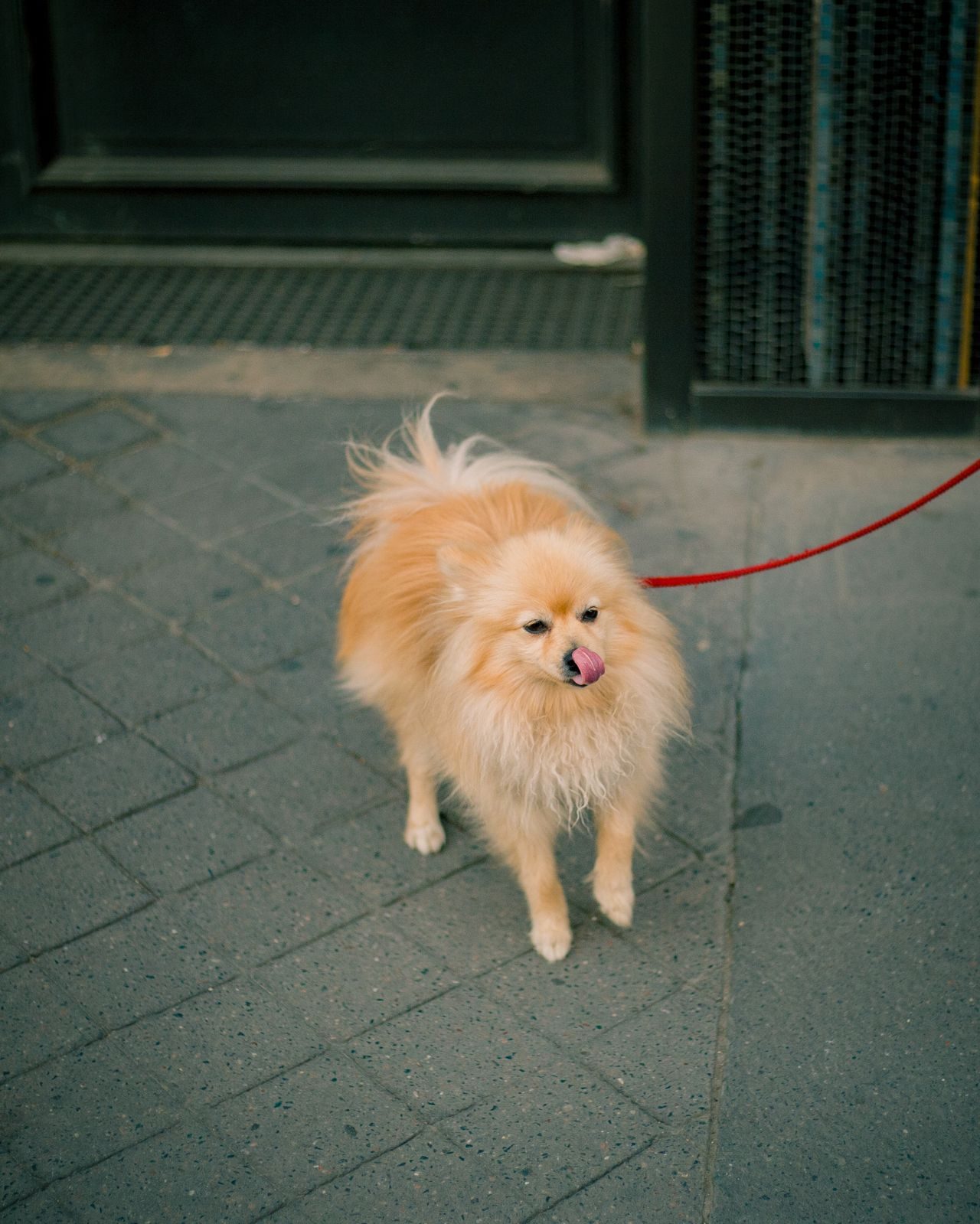
Many owners settle on one or two set paths and repeat them daily, yet small changes in how those paths are used can open up more opportunities for a dog to influence the walk. Fixed routes often limit access to different surfaces, quieter edges or side areas where a dog might pause or investigate. Recognising where the route itself reduces choice helps identify practical adjustments without needing new locations.
Route adjustments work best when they start from direct observation rather than general assumptions about what a dog should prefer. Watching how a dog moves on different sections of the same street, for example, shows whether a particular kerb or grass strip is consistently avoided or approached. These observations guide targeted changes rather than wholesale route replacements.
Overlooking side strips and verges that already exist on the same street
Many neighbourhood pavements have narrow grass or gravel strips running alongside them. These are often passed without pause because the main path feels quicker or more direct. Slowing at these points and allowing the lead to loosen slightly gives the dog a moment to step onto the different surface if it chooses. The adjustment requires no extra time or new destination, only a change in pace at known locations.
Repeated use of the central pavement can mask whether the dog would select the verge when given the chance. Testing this on two or three outings reveals patterns: some dogs move toward the grass after rain, others avoid it when dry. Recording these preferences in a simple note helps decide whether to linger at the same spot on future walks or move on when no interest appears.
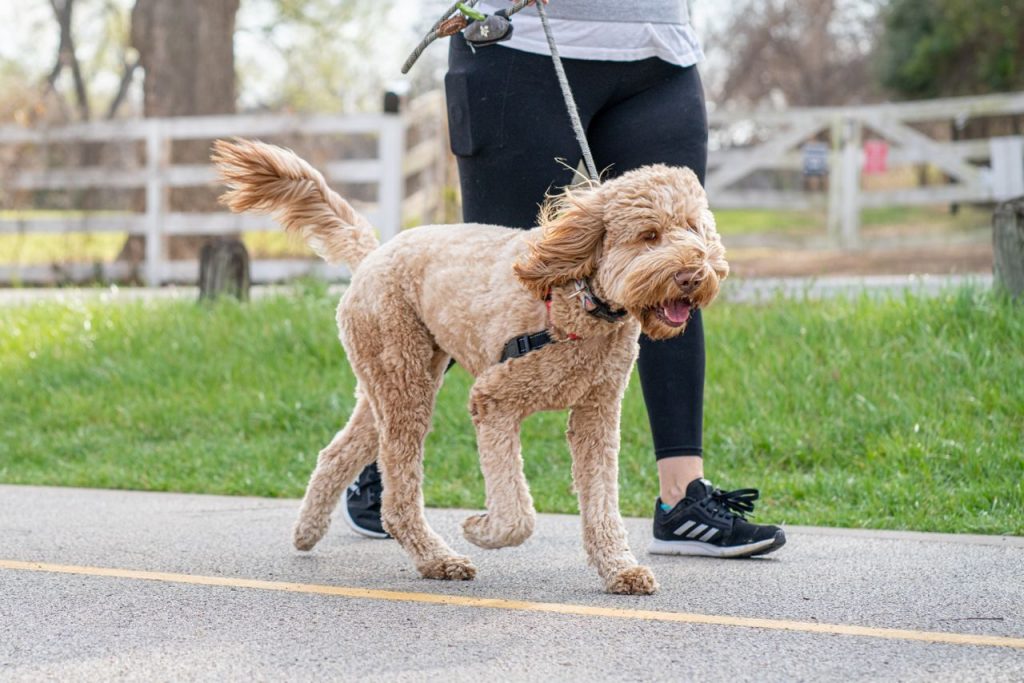
Keeping the same turning points regardless of the dog’s earlier signals
Fixed turning points make the walk predictable for the handler but remove the option for the dog to indicate a preferred direction at junctions. At each familiar corner, pausing for a few seconds and watching for any head turn, slowing or pulling toward one side provides information. If the dog shows no preference, the original route continues; if a signal appears, following it for a short distance tests whether the choice adds useful variety.
This approach stays within the same overall area and time frame. The handler still decides when to return home, yet the dog gains moments of influence over direction. Over several walks the pattern of signals becomes clearer, allowing the route to incorporate the dog’s consistent choices without extending the outing.
Walking at the same speed through sections with differing surfaces
Concrete, tarmac and grass each produce different footing and sound. Maintaining one steady pace across all of them can prevent the dog from adjusting its own speed or investigating texture changes. Shortening stride length on grass or pausing on gravel lets the dog set its own tempo for those few metres. The change is local to the surface rather than a new overall plan.
Some dogs lengthen their stride on softer ground while others shorten it. Noting these responses helps decide whether to cross the same patch daily or vary the crossing point slightly to keep the option open. The adjustment remains within the existing route and requires only attention to the dog’s movement rather than added distance.
Passing potential pause spots without checking current conditions
Benches, low walls and sheltered corners appear on many regular walks yet are often bypassed at the same speed each day. A brief check—stopping for ten seconds and observing whether the dog looks toward or away from the spot—shows whether the location currently offers value. If the dog moves toward it, the pause can be extended; if not, the walk continues without delay.
Weather and time of day alter the usefulness of these spots. A shaded bench useful in warm weather may receive no attention on cooler days. Keeping a short weekly note of which locations receive interest prevents automatic pauses at places the dog no longer selects while preserving access when conditions change.
Returning by the identical reverse path every time
The return leg of a walk often follows the outward route in reverse, reducing the chance to use alternative parallel streets or alleys that exist within the same block. At the furthest point, checking whether the dog shows any orientation toward a different street provides an opening. Following that orientation for one block and then rejoining the usual return path adds variety without lengthening the total time.
Parallel options frequently differ in noise level or surface width. Testing them on alternate days shows which versions the dog approaches more readily. The choice stays local and reversible; if the alternative proves less suitable, the original return route remains available.
Reviewing the route after several weeks of small adjustments
After incorporating pauses, direction options and surface checks, listing the specific points where the dog now makes choices helps assess whether the overall walk still fits household time limits. If any adjustment consistently adds time, it can be moved to a different part of the route or reduced in duration. The goal remains increased access to existing environmental features rather than expansion of the walk itself.
Regular short reviews also catch when previously useful options no longer receive interest, allowing the handler to drop them without losing the overall structure. The process stays grounded in the dog’s current responses within the familiar neighbourhood setting.