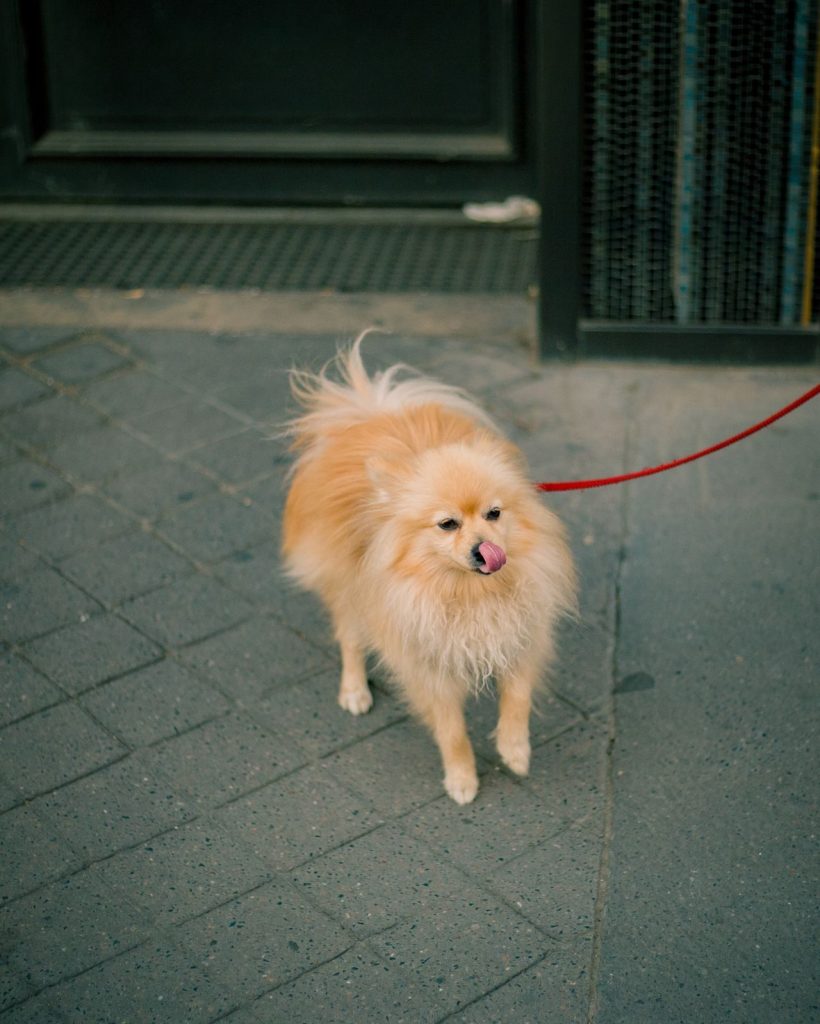
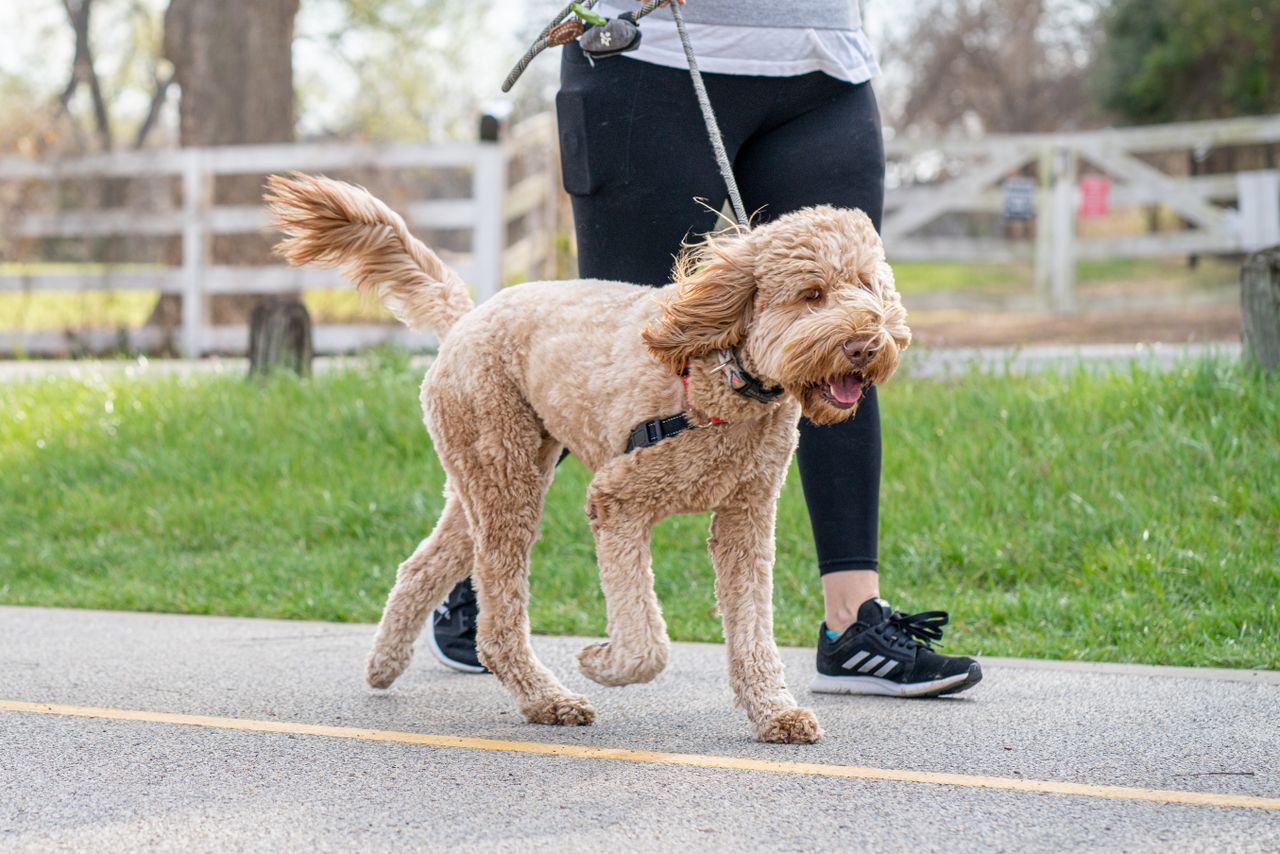
Begin by listing the green spaces, paths and verges within a short distance of home that you already pass on foot. Note which of these areas allow a dog to move off the main pavement without stepping into traffic or private land. This list forms the starting point for routes that offer real choices rather than a single forced line. The process starts with observation of what already exists nearby rather than searching for distant parks or trails that may not fit daily routines.
Once the possible locations are written down, walk each one at the quietest time of day and observe how the ground changes underfoot. Some surfaces stay firm after rain while others become slippery or hold puddles. Recording these details helps decide which spots remain usable when weather shifts. The focus remains on access points that let the dog decide direction and speed within safe limits set by the surroundings.
Listing usable surfaces near home
Make a simple table with columns for surface type, typical moisture level and whether it connects to another open area. Grass verges, compacted gravel tracks and wide tarmac shared paths each allow different movement speeds. Dogs often slow on softer ground and speed up on firmer stretches, so the table shows which combinations appear within one short outing. The method works best when entries are updated after each walk rather than completed from memory alone. Conditions that affect usability include recent rainfall, seasonal growth of vegetation and changes in local maintenance schedules. A common mistake is to list only the largest open space while overlooking smaller verges that offer repeated short choices during the same outing.
Check boundaries next. A low wall or hedge that prevents road access creates a natural limit without needing constant lead tension. Where no such boundary exists, note the nearest safe turning point so the dog can choose to return rather than continue into busier sections. This step requires walking the edge of each area at least once to confirm physical separation from hazards. Applicable when the location sits near residential streets or cycle paths, the boundary check prevents situations where choice leads directly into restricted zones. Overlooking narrow gaps in fencing is a frequent error that later forces abrupt changes in direction during the walk itself.
Marking entry and exit spots on a map
Draw a basic sketch of the chosen area on paper or a phone note. Mark two or three places where the dog can leave the main path and rejoin it later. These points become the places where choice is offered: the dog decides whether to explore the side area or stay on the primary route. The sketch should include approximate distances between points so the total outing stays manageable for repeated use. Judgment criteria include whether each marked point has clear visibility from the main path and whether the side area loops back without crossing private property.
Keep the total distance short for the first few outings. The aim is repeated opportunities to choose rather than one long loop. If a side path ends in a dead end, record it so the dog is not left without an exit route. This recording step applies particularly when household time is limited and the same locations must serve both morning and evening walks. A frequent oversight is marking points that look open on a map but are blocked by temporary barriers such as parked vehicles or seasonal planting, which reduces actual choice once the route is walked.
Observing what the dog does at each point
Walk at the dog’s pace and stop when the dog stops. Count to five before moving on; this gives time for the dog to decide whether to continue or turn back. No verbal cue is needed beyond the usual reward marker when the dog chooses to rejoin the path. The observation method relies on noting the direction of the head and body rather than assuming every pause indicates interest in a particular surface. Conditions for reliable recording include consistent time of day and similar weather so that external factors do not mask the dog’s preferences.
After three or four visits, note which access points the dog uses most often. Some dogs pause at every junction while others head straight for one particular patch of longer grass. These patterns guide future route adjustments without requiring new locations each time. The approach works when the handler remains at a distance that allows the dog to move independently yet stays within sight for safety. A common error is to interpret every turn as a permanent preference instead of checking whether the same choice appears across several different days and conditions.
Adjusting for household schedule changes
When morning or evening routines shift, the same mapped areas can still be used but at different times of day. Early light may change which surfaces feel cooler under paw, while later visits may bring more people. The map remains useful because the choice points stay in the same places even if the number of other walkers varies. Applicable when work patterns or school terms alter available walking windows, the adjustment keeps the focus on existing access points rather than introducing unfamiliar routes under time pressure.

Carry a small towel in a pocket for wiping muddy feet at the end of the walk. This keeps the transition back indoors calm and maintains the dog’s willingness to choose the same route again the next day. The practice applies equally to short urban verges and slightly longer suburban paths provided the surfaces have been checked for drainage. Overlooking the effect of changed light levels on visibility of boundaries is a frequent mistake that can lead to the dog selecting an access point that is no longer safe at the new time.
Adding one new access point at a time
Once the original spots are familiar, add a single extra junction rather than redesigning the whole walk. Watch whether the dog investigates the new option or ignores it. Either response is acceptable; the point is that the dog has the chance to decide. The method requires confirming that the new point has at least one clear return route before it is offered. Judgment relies on observing the dog’s body language at the junction over two or three visits rather than a single trial.
If the new point leads to a narrow passage with no turning space, remove it from the route. The goal is always an environment that supports choice, not one that creates dead ends or pressure to keep moving. This step is useful when seasonal changes open previously overgrown areas or when local path maintenance creates new connections. A common error is to add multiple new points in one outing, which makes it difficult to tell which addition the dog is responding to and removes the chance for gradual adjustment.
Reviewing the route after several weeks
Every few weeks, walk the route without the dog and check whether any access points have changed. Construction, seasonal planting or fallen branches can block a previously open area. Update the sketch so the choices offered remain realistic. The review applies when household routines settle into a pattern and the same locations are used regularly enough for changes to accumulate unnoticed.
Keep the record brief: surface notes, boundary details and the dog’s most frequent choices. This information stays useful when planning walks around other household commitments without needing to start from scratch each season. Conditions that trigger a review include visible alterations to paths or an increase in the number of days the dog selects one particular access point over others. Overlooking gradual narrowing of verges due to plant growth is a frequent oversight that later reduces the number of genuine choices available.