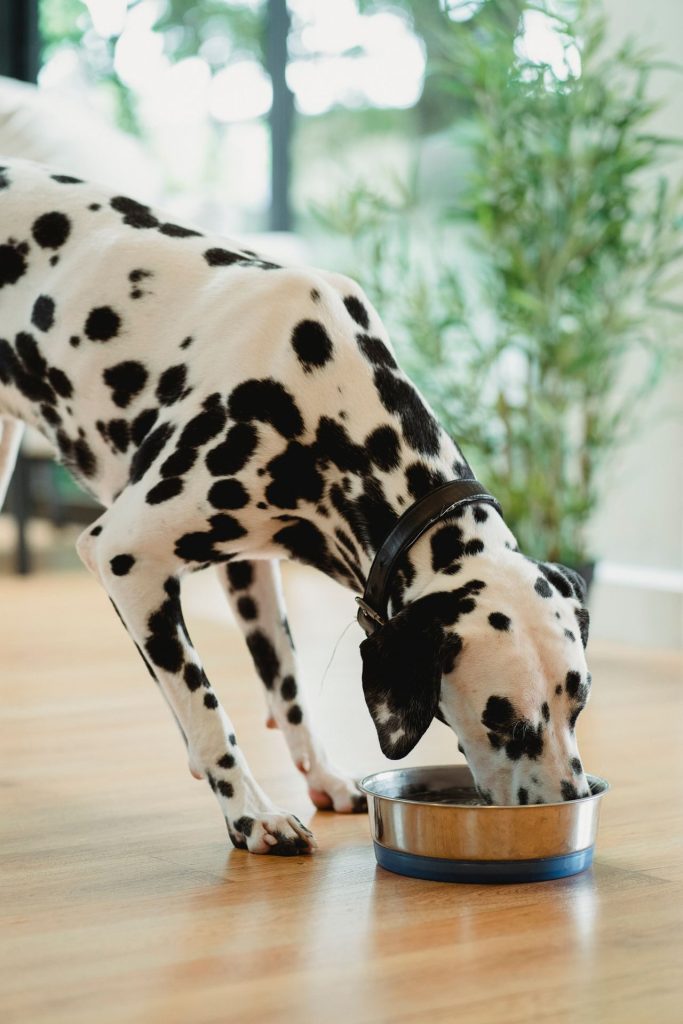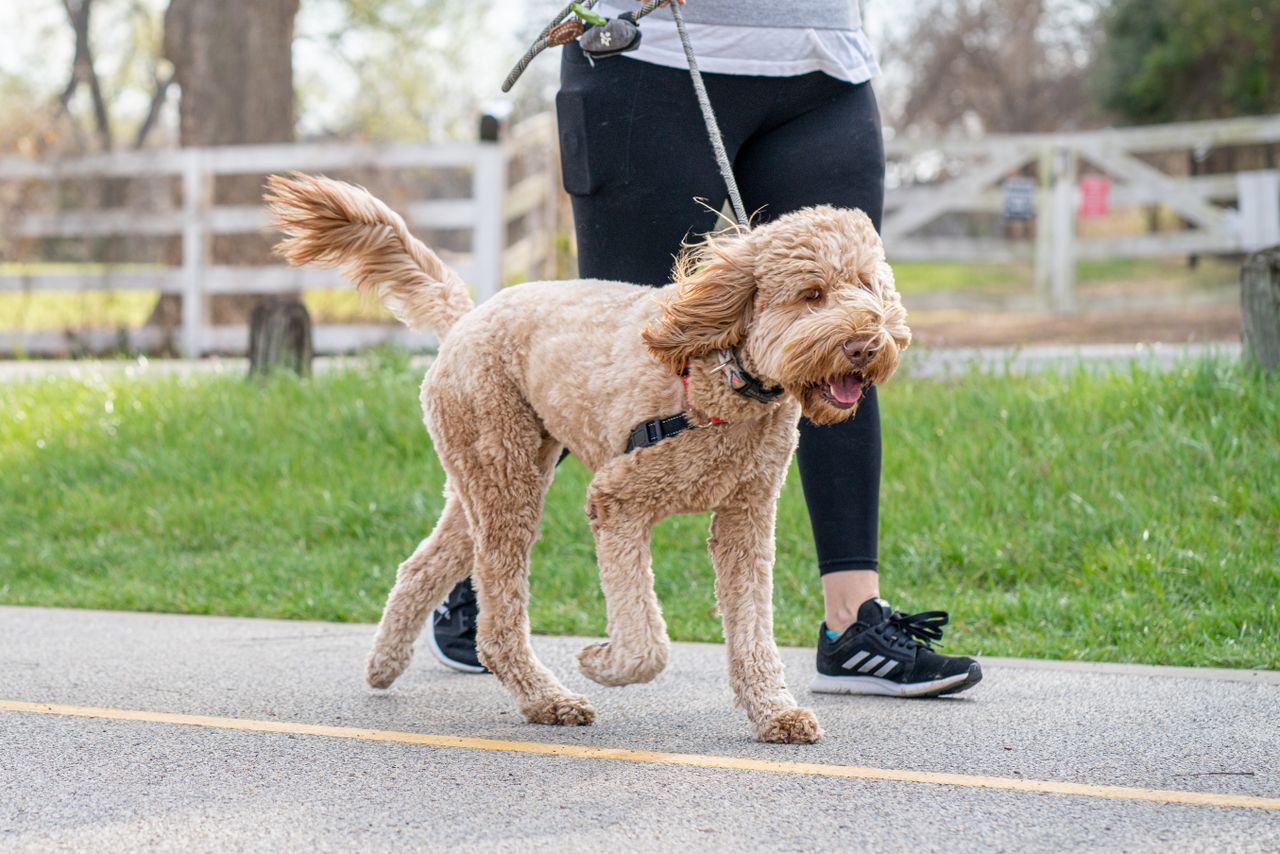
Many owners notice their dog lingers near the kitchen worktop or doorway during meal prep and wonder how to turn those moments into low-pressure choices rather than constant management. A short, repeatable checklist helps map the actual layout, the dog’s usual positions and the points where a dog can move away without being followed.
Start by walking through the kitchen once while no food is out. Note the fixed surfaces, the open floor space and the two or three routes a dog could take to leave the room. Record which surfaces are at dog height and which cupboards open toward the main walkway. This first pass gives a neutral picture before any activity begins.
Identify the fixed elements that already shape movement
Every kitchen has immovable items that affect where a dog can stand or pass. List the fridge door swing, the bin location and the main walkway between cooker and sink. These elements stay the same each day, so they become the reference points for later decisions. Owners who skip this step often place bowls or mats in spots that block the dog’s exit route without realising it.
Next, mark the places where the dog already chooses to pause. Some dogs stand just inside the doorway; others sit beside the table leg. These spots are the starting data for choice points. No change is needed yet; the aim is simply to see the pattern clearly.
Decide which moments during prep can become optional
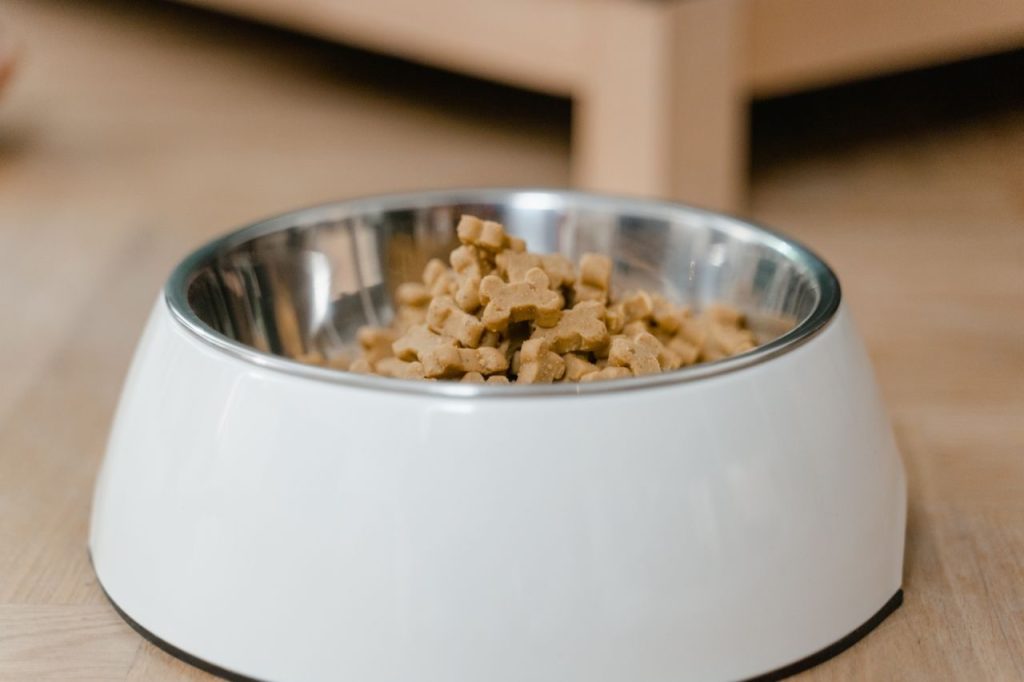
Food preparation usually follows a short sequence: opening packets, chopping, cooking and plating. Choose one or two of these steps where the dog can be offered a clear alternative. For example, when the chopping board comes out, the dog could be invited to a mat placed two steps away, or it could stay in the doorway if that feels better. The invitation is brief and ends if the dog moves on.
Keep the invitation short and the outcome the same either way. If the dog stays on the mat, a small food scatter can be dropped once the task is finished. If the dog leaves, nothing further happens. This keeps the choice genuine rather than a test of staying power.
Prepare the physical options in advance
Before the first trial, place two or three low-profile mats or rugs in the positions already noted. Make sure each mat leaves an unobstructed path to the door or another room. Check that none of the mats sit directly under a swinging cupboard door or in the path of the bin. The goal is that the dog can reach any chosen spot without stepping over or around an obstacle.
Have a small container of loose treats ready on the worktop but out of reach until the chosen moment. This prevents accidental reinforcement of hovering and keeps the timing under the owner’s control.
Run the sequence and note what actually happens
During the first two or three preparations, follow the planned invitations and then write down the dog’s response immediately afterwards. Did the dog approach the mat, stay in the doorway or leave the room? Did the choice change between the chopping stage and the cooking stage? These notes stay private and are used only to adjust the next day’s layout if needed.
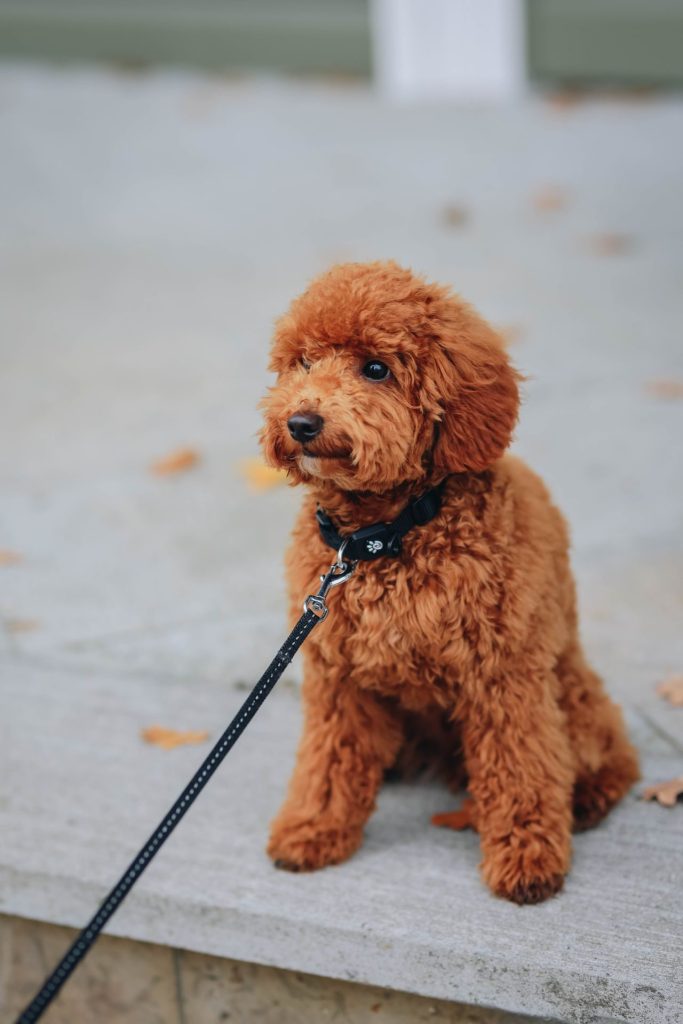
If the dog consistently leaves the room, that information is useful. It may indicate the kitchen is simply too busy or noisy at that time. The checklist then shifts to confirming an alternative resting place outside the kitchen rather than trying to keep the dog inside.
Adjust placement when the pattern stays the same for several days
After a week of consistent notes, one adjustment is usually enough. This might mean moving a mat six inches further from the worktop or removing one mat entirely if it is never used. The change is small and is tested for another few days before any further move. Large rearrangements are avoided because they reset the dog’s ability to predict the space.
Owners sometimes assume more mats or more invitations will increase engagement. In practice, two well-placed options are often clearer than four or five. The checklist therefore includes a rule to remove rather than add when the dog’s choices remain stable.
Keep the plan separate from training sessions
The kitchen checklist runs only during actual food preparation. It is not turned into a training drill or extended with extra cues. If the dog begins to offer behaviours that were never asked for, the sequence continues without comment and the notes simply record the extra movement. This keeps the daily routine distinct from any separate reward-based training work that happens at other times.
Review the notes once a month. If household traffic changes, for example when a new piece of furniture arrives, repeat the first neutral walk-through and update the mat positions accordingly. The checklist remains a living document rather than a fixed setup.