
Many owners begin by noticing small shifts in how their dog moves through the house or responds during ordinary moments. A baseline record turns these passing observations into a clear reference that can be shared during professional conversations. The approach works best when entries remain brief and tied to specific times and actions rather than interpretations.
Owners who keep such notes often find it easier to describe patterns accurately when speaking with a veterinary surgeon or qualified behaviourist. The record grows from activities already happening in the home, so it adds little extra work once the habit is established. It stays useful only when kept factual and updated regularly.
Choosing a format that suits your household
Selecting the right format starts with considering who will add entries and how often the record will be consulted. A paper notebook placed near the lead hook works well for households where several people interact with the dog each day. A shared digital note on a phone or tablet suits homes that prefer quick typed entries and easy copying for appointments. The chosen format must allow short dated lines without requiring extra steps or equipment that might be forgotten during busy periods.
Whichever option is picked, test it for one week to check whether entries remain consistent. If handwriting becomes hard to read after a few days, switch to a printed template with date and time columns. The format should also allow pages to be removed or copied without damaging earlier notes. Owners who change format midway often lose continuity, so decide early and keep the same method for at least the first three months.
Deciding which daily moments to record
Begin by listing three or four recurring situations that already happen without special effort, such as the first greeting after waking, placement of the food bowl, short periods of indoor play and the final settling before night. Each chosen moment should occur at roughly the same time most days so patterns become visible over weeks. Avoid adding new activities solely for the record, because the goal is to capture ordinary behaviour rather than create extra tasks.
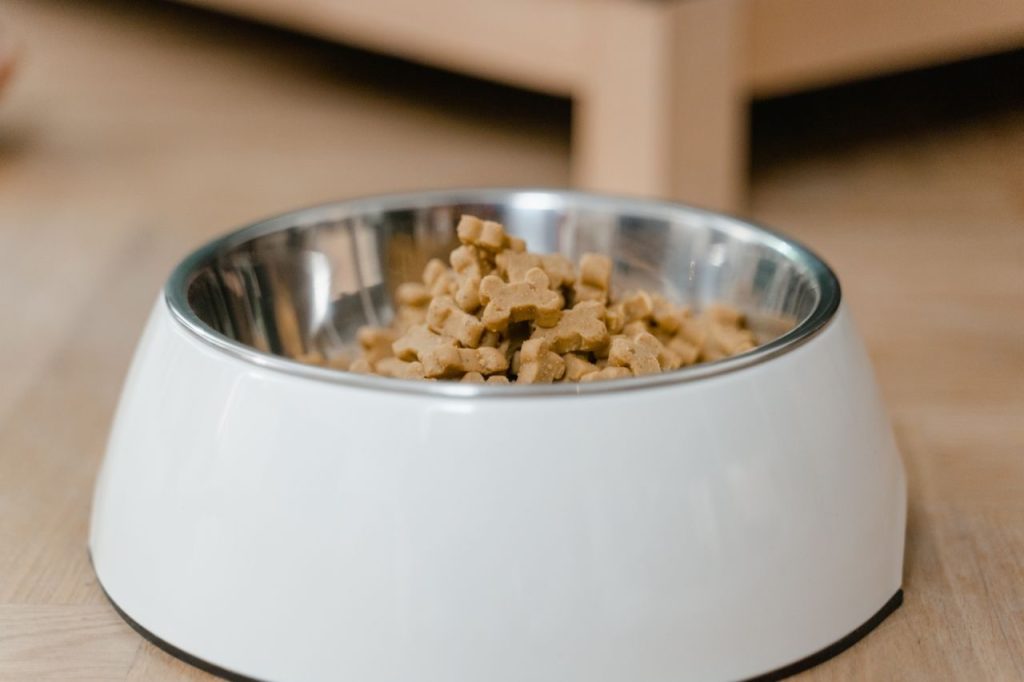
Limit the list to situations where posture, distance from people and any vocal sounds can be noted quickly. Morning greetings, for example, allow observation of whether the dog approaches directly or waits at a distance. Mealtimes show how long the dog takes to begin eating and whether it finishes in one session. These four moments usually produce enough entries within a fortnight to form a usable baseline without overwhelming anyone in the household.

Writing entries that stay factual
Each line should describe only what can be seen or heard at that moment. Phrases such as “stood at doorway for thirty seconds before entering” or “ate half the meal then walked away” keep the record usable for later professional review. Avoid words that imply mood or intention, because these cannot be verified and may differ from the view of a veterinary surgeon or behaviourist. Include the surface chosen, the distance maintained from household members and any change in breathing rate when these details are noticeable.
Keep every entry to one or two short sentences and add the exact time. If the dog pauses during a familiar interaction, note the location and duration rather than guessing the cause. Owners who add interpretations early often have to rewrite entries later, which wastes time. The discipline of writing only observable facts also makes it easier to notice genuine changes when they occur, because the surrounding entries provide a consistent standard.
Reviewing the notebook at set intervals
Once a week, read the previous seven days in a single sitting without adding new comments. Underline any single entry that differs from the entries immediately before and after it, using a simple mark that does not obscure the original text. After four weeks, look at the underlined lines together to see whether they cluster around particular times of day or rooms in the house. This review takes only a few minutes and reveals whether a change is isolated or part of a longer sequence.
Do not attempt to explain the reason for any difference during the review. The purpose is to identify what stands out from the established pattern so that the information can be presented clearly at the next professional appointment. Owners who skip the weekly check often find that small shifts are forgotten by the time a conversation with a veterinary surgeon takes place. Regular short reviews keep the record current without requiring daily analysis.
Preparing the record for a conversation
Before any appointment, copy the relevant dated entries onto a separate sheet, keeping the original wording unchanged. Remove any household notes that are not directly about the dog so the professional sees only the observed sequence. Bring both the copied sheet and the full notebook in case further dates are required during the discussion. This preparation allows the conversation to focus on the facts rather than on the owner trying to recall details from memory.
Arrange the copied entries in chronological order and group them by the situation observed, such as all mealtime notes together. This layout helps the veterinary surgeon or behaviourist scan the timeline quickly. Owners who arrive with an unorganised notebook often spend appointment time searching for entries instead of discussing the patterns. A short, ordered summary therefore makes the professional conversation more productive for everyone involved.
Adjusting the record when circumstances change
When a new person joins the household or the daily schedule shifts, begin a fresh page headed with the date of the change. Continue using the same short format so that later comparisons remain straightforward. The older pages stay intact and provide the reference point against which new entries can be measured. This separation prevents confusion about whether a difference in behaviour relates to the changed circumstance or to another factor.
Keep the same four recurring situations unless one of them has genuinely disappeared from the routine. If a situation no longer occurs, note the date it stopped and choose a replacement that still happens daily. Owners who mix entries from before and after a major change without clear headings often find the record harder to interpret later. Clear section breaks preserve the value of the baseline while allowing the record to reflect current conditions.
Knowing when the record alone is not enough
If entries begin to show repeated signs of discomfort during normal movement or sudden avoidance of familiar spaces, contact a veterinary surgeon promptly. The notebook supports the conversation but does not replace direct assessment by a qualified person. Continued observation can run alongside professional advice, yet the record itself never substitutes for an examination when welfare concerns arise.
Owners sometimes hesitate to seek help because they want more entries first. This delay can extend the period before appropriate support is given. The baseline record is most useful when it is shared early rather than kept until a pattern becomes pronounced. Professional input at the right time prevents the record from becoming the only source of information about the dog’s condition.
Storing and updating the document over months
Keep the notebook or digital file in one fixed location so every household member knows where to add an entry in the same format. Review the whole document every three months and remove pages older than a year unless they still relate to an ongoing question. This keeps the record manageable while preserving the factual baseline that helps professionals understand the individual dog’s usual patterns.
When the dog reaches a new life stage, such as moving from young adult to mature years, retain the earlier sections for reference but start a new section with the date of the transition. The long-term value lies in the ability to compare current entries with those from previous stages without losing the original detail. Consistent storage and periodic pruning ensure the record remains a practical tool rather than an accumulating pile of notes.