Owners often pick feeding accessories by matching them to kitchen décor or online images instead of watching how their dog actually eats and drinks in the room. This leads to repeated adjustments later and unnecessary purchases. Taking time to note the dog’s reach, posture and any spills during ordinary meals reveals which features matter for that specific household. Small changes in height, surface or location usually resolve most issues without buying new items.
Begin by observing the dog over several meals rather than relying on general advice. Note whether the dog stretches, tilts its head or moves the bowl. These details guide choices about stands, mats and placement. The aim is a setup that fits the dog’s routine without requiring constant correction.
Selecting bowl height without checking the dog’s natural stance
Many bowls sit too low for larger dogs or too high for smaller ones, causing awkward neck angles during meals. Measure from floor to the dog’s withers while it stands relaxed, then test a temporary stack of books under the bowl to find a comfortable level before buying a stand. Watch for the dog stretching its neck or shifting weight to reach food. If either occurs, raise or lower the position until the spine stays straight. Repeat the check after a few days because puppies and older dogs change posture over time. A stand that works for one meal may need adjustment when the dog grows or slows down, so keep a simple measuring tape near the feeding area for quick rechecks.
Common errors include assuming all dogs of similar size need the same height or copying setups seen in other homes. Instead, test the position for several days and watch the dog’s willingness to approach the bowl. If the dog hesitates or eats in short bursts, the height is likely off. Adjust one change at a time so the effect is clear. This method keeps the process practical and avoids buying multiple stands that later prove unsuitable.
Choosing materials that are difficult to clean daily
Stainless steel and ceramic hold up better than plastic when food residue builds up, yet many households start with lightweight plastic because it feels easier to move. Check the manufacturer’s cleaning instructions before purchase; some plastics cannot go in the dishwasher and quickly retain odours. Wipe the area around the bowls after each meal and wash the bowls themselves with hot water and mild detergent. If the dog eats in a carpeted room, place a washable mat underneath to limit spread. Replace any item that shows permanent staining or cracking. A quick daily wipe prevents build-up that later requires stronger cleaning products.
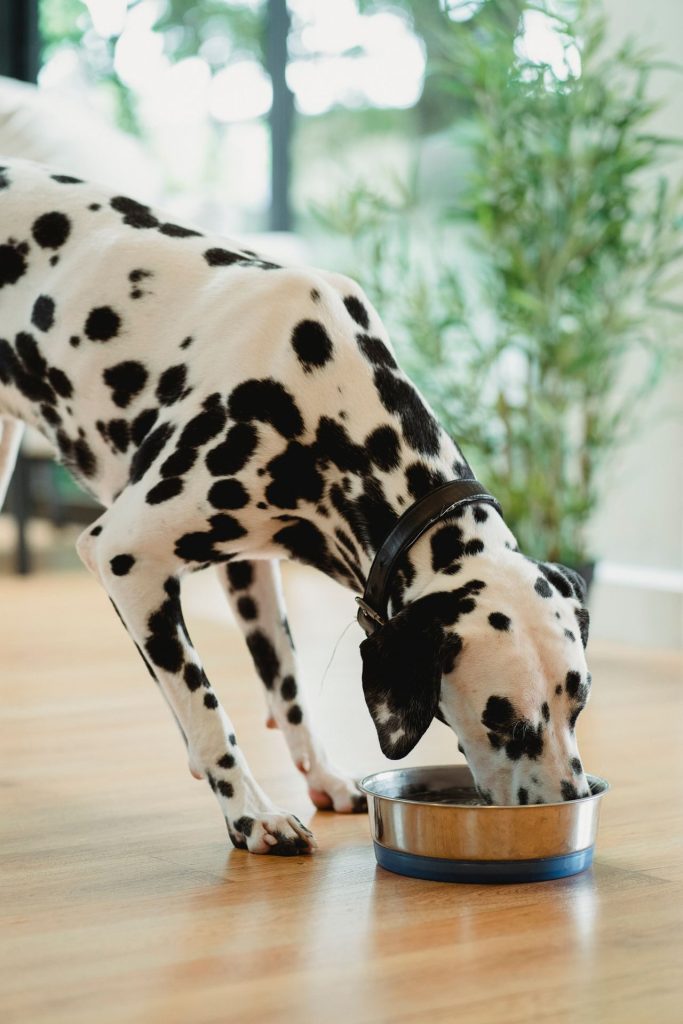
Another frequent mistake is ignoring how the material reacts to repeated washing. Ceramic can chip at the base after many cycles, while some stainless bowls develop small dents that trap particles. Run a fingertip along the rim each week to catch early damage. Keep a spare set of the same material so a damaged bowl can be swapped without changing the dog’s routine. This habit maintains hygiene without disrupting the feeding pattern the dog has learned.
Placing stations in busy walkways
Feeding areas set near doorways or appliance zones are frequently disturbed by household traffic. Dogs may stop eating or guard the spot when people pass. Move the station to a quieter corner with at least one clear exit route so the dog can leave without stepping over feet. Test the new spot for a week and note whether the dog finishes meals more calmly. If interruptions continue, add a low screen or simply choose a different room corner. The goal is consistent access rather than isolation from the household flow.
Owners sometimes place bowls where they are convenient for refilling yet overlook how often the dog is approached from behind. This can lead to the dog eating faster than usual or leaving food. Observe the path people take through the room during a typical evening and mark spots that stay clear for ten minutes or more. Shifting the station once, rather than repeatedly, saves time and lets the dog settle into a predictable pattern.
Ignoring stability on different floor surfaces
Bowls slide on tiled or wooden floors when nudged by a dog’s nose or paw. Non-slip mats or rubber feet on the base reduce movement. Test by pushing the empty bowl across the floor; if it travels more than a few centimetres, add grip. Some mats curl at the edges over time and become trip hazards. Trim or replace them when this happens. For homes with underfloor heating, check that mats do not trap heat underneath and cause discomfort during longer meals.
A frequent oversight is using the same mat on every surface without testing. Rubber grips well on tile but can shift on carpet edges. Try the mat in the actual location for a few days and watch for any sliding during eating. If movement persists, place a heavier ceramic bowl on top or choose a mat with a wider border. These small trials confirm stability before the setup becomes part of the daily routine.
Using one set-up for every meal or visitor situation
A single bowl layout rarely suits both quiet weekday meals and times when guests are present. Keep a second, portable set in a cupboard for quick changes. This avoids moving heavy stands daily. Observe whether the dog still eats when extra people are in the room. If hesitation appears, place the temporary station behind a partial barrier so the dog retains choice over proximity to visitors. Having two options ready prevents last-minute rearrangements that unsettle the dog.
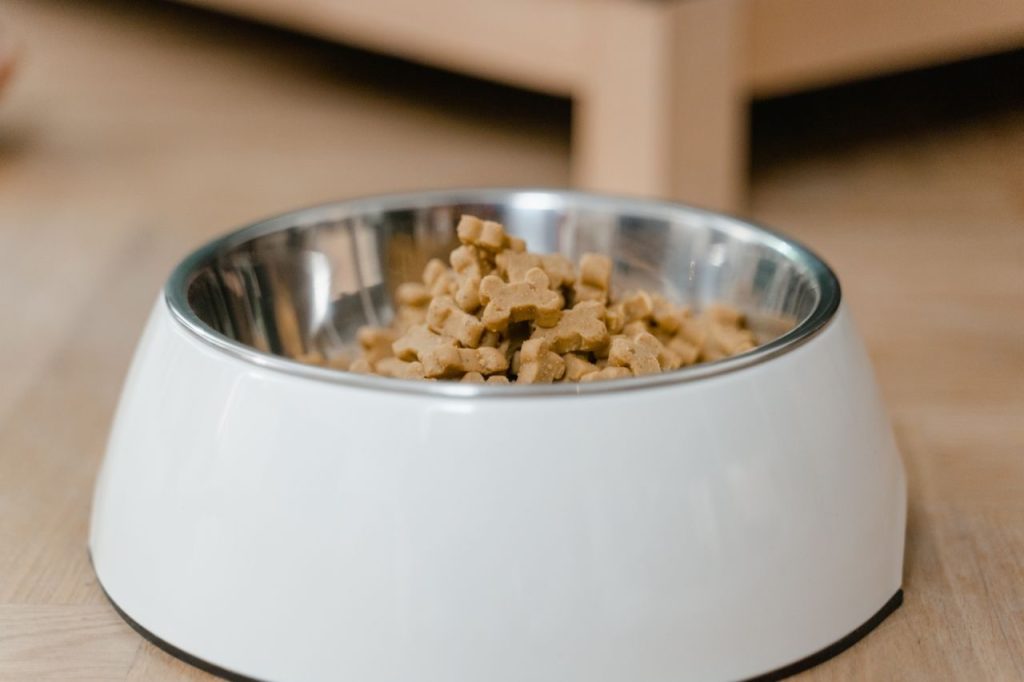
Another error is assuming the main station must serve every occasion. Some households move the same bowls to a different room when visitors arrive, which removes familiar cues. Instead, prepare a lightweight tray with matching bowls that can be set down in a side area. Test both locations during a quiet practice run so the dog recognises the alternative setup. This keeps feeding consistent even when the household changes.
Skipping regular checks for wear or damage
Cracks in ceramic or dents in metal can harbour bacteria. Run a fingertip around rims and bases once a month. Replace any item that feels sharp or shows deep grooves. Store spare bowls in the same cupboard as the main set so replacements are ready. Keep the original product information or model number so matching replacements can be found quickly when needed. A short monthly note on the calendar helps maintain the habit without relying on memory.
Many owners only inspect bowls when a spill occurs, missing gradual wear. Check the underside of mats for thinning rubber and the feet of stands for loosening screws. If a stand wobbles during these checks, tighten or replace it before it affects the bowl position. Keeping a small toolkit nearby makes these adjustments simple and prevents the need for larger replacements later.
Assuming the same arrangement works across life stages
Puppies grow quickly and seniors may need lower access or wider bases for steadier footing. Re-measure every six months or after any noticeable change in mobility. Adjust height or switch to a wider mat rather than waiting for problems to appear. Keep notes of the current measurements and any observed difficulties so future adjustments stay consistent. This record also helps when discussing routine care with household members who share feeding duties.
A common mistake is treating the initial setup as permanent. Dogs change in size, speed and comfort over months, yet the bowls stay at the same height. Schedule a brief check on the same date twice a year and compare the dog’s posture to earlier notes. If reaching the bowl now requires extra steps or pauses, lower or raise the stand accordingly. These timed reviews keep the arrangement matched to the dog without sudden large changes.
Small, repeated observations about how the dog uses its feeding area usually point to the exact correction required. Adjusting one feature at a time makes it easier to confirm which change improves the routine. Over time these habits reduce wasted purchases and support steady mealtimes.