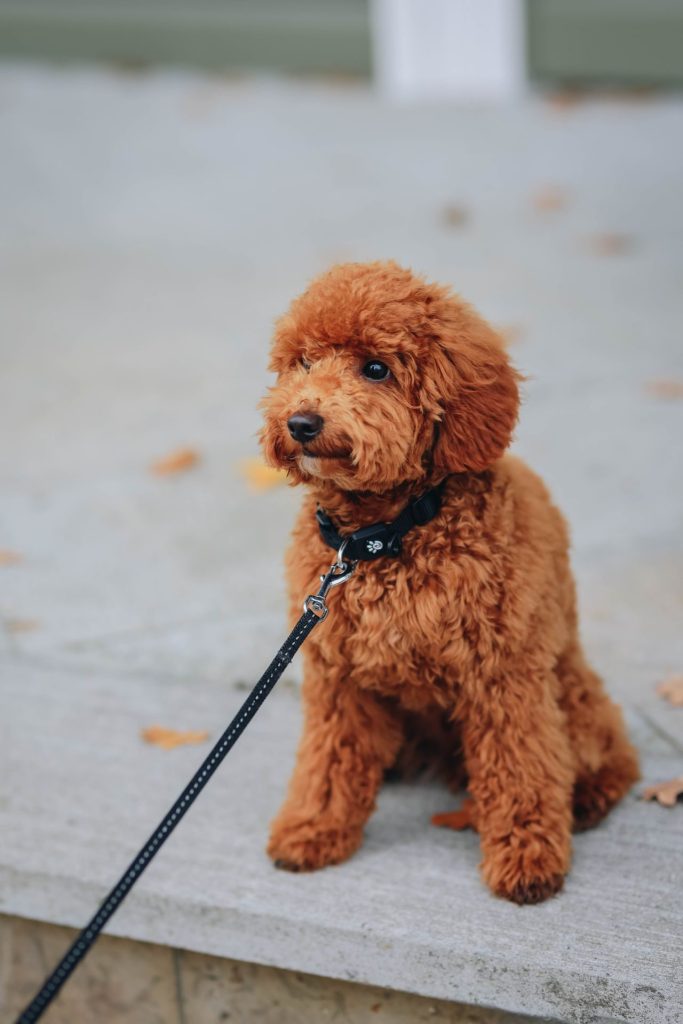
Identify what is being washed
Begin by sorting equipment into clearly identified items rather than putting the whole dog basket through one cleaning method. A fabric cover, restraint item, toy and electronic accessory can have different instructions even when they were used on the same outing. Find product references and care labels where available. Keep uncertain items separate until the relevant care guidance is established.
Make a short household note for frequently cleaned pieces, including where the full instructions are saved. This helps another adult follow the routine without interpreting a faded label or guessing from the colour of the material. The note should remain specific to the product. A method that works for one washable cover should not become the unspoken standard for every harness, jacket or toy stored beside it in a shared cupboard.
Inspect before cleaning conceals details
Look at the item’s condition while it is cool and appropriately ready to handle, noting loose fittings, damaged material or other unfamiliar changes. Cleaning and condition assessment are separate tasks. A stronger wash cannot restore every form of damage or establish that restraint equipment is suitable for use. Set aside concerns with a clear note and product reference so someone else does not pick up the item for a walk simply because it now appears cleaner.
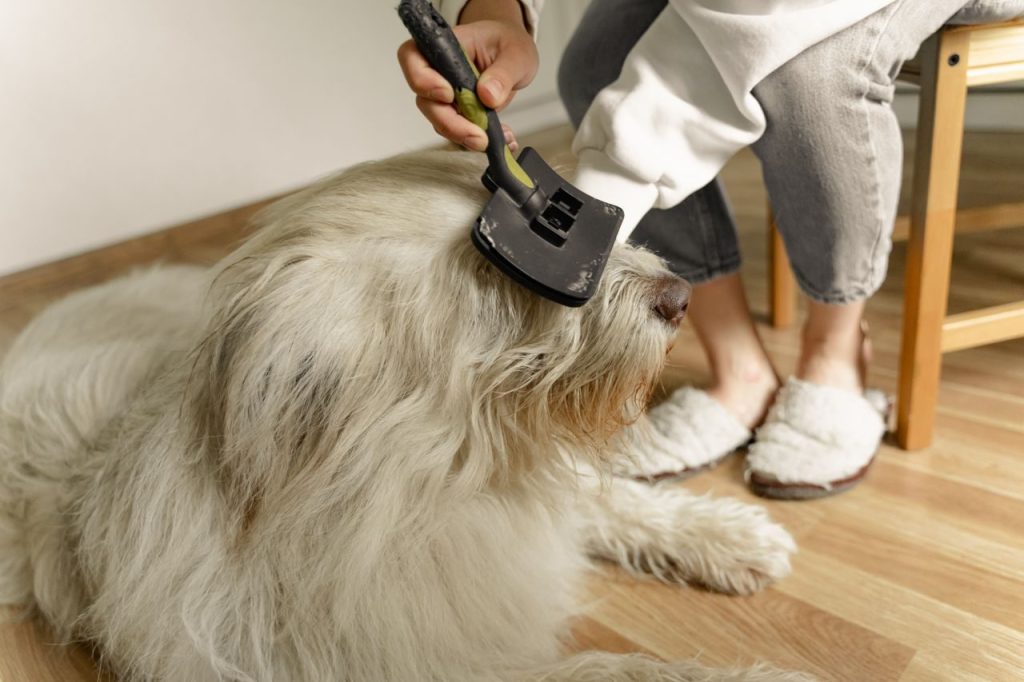
Prepare a suitable work area
Choose a cleaning space under the product’s directions and keep food, medicines and unrelated household chemicals separate. Secure supplies away from animal access during the task, not only after the cupboard is closed. A temporary bowl, open bottle or damp item on the floor can create a different access problem while the permanent storage arrangement remains tidy. Finish the setup before starting so cleaning does not become a rushed sequence of improvisations around the dog.
Use the permitted method
Follow the stated washing process for the exact materials and components, including any instruction to remove parts or treat them separately. Do not invent a disinfectant mixture, concentration or machine programme. Use cleaning products only as directed and only where compatible with the item. A powerful household cleaner is not automatically appropriate for dog equipment, and a fresh smell is not proof that residue, material condition or product suitability has been resolved.
Keep component identity clear
If the instructions allow disassembly, keep the original parts together and identify how they return to the item. Avoid mixing buckles, inserts or covers from similar-looking products. Take a reference photograph where helpful without treating it as a substitute for the assembly directions. A component that appears to fit may have a different intended role, and improvising a combination after washing can introduce uncertainty that was absent before the task began.
Plan drying before the next use
Read the drying requirements and allow suitable space and time under the instructions. Do not assume a surface that feels dry proves every layer or component is ready. Keep an appropriate care arrangement available if the item is needed before it can be used again. That may mean adjusting the outing or using another confirmed suitable piece, not rushing the drying stage with an unapproved heat source to preserve a schedule.
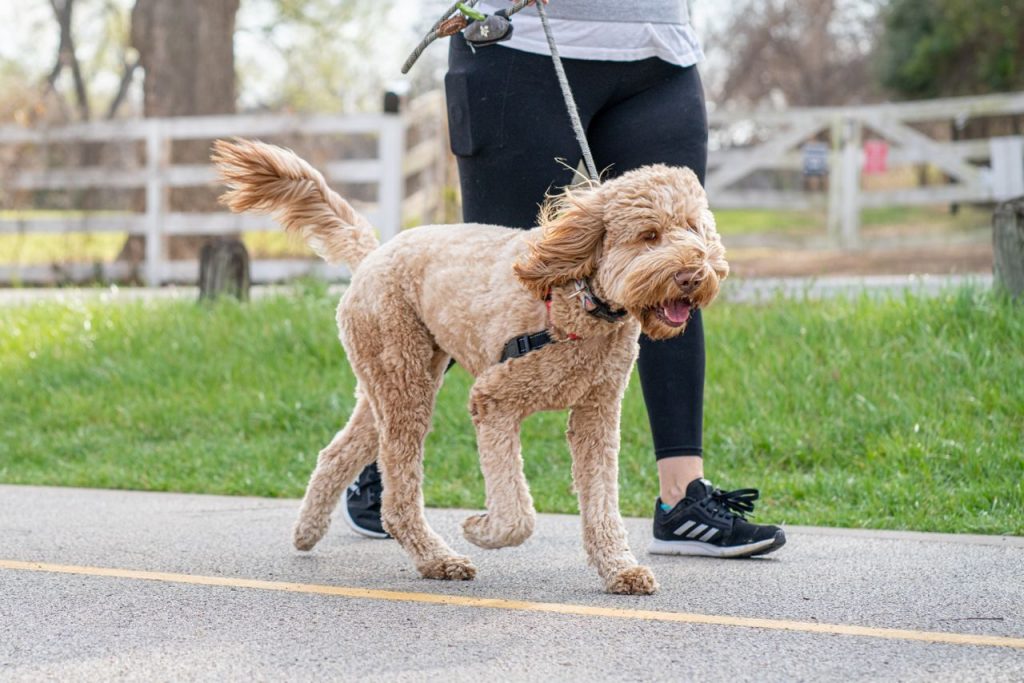
Separate ready equipment from waiting items
Give cleaned ready pieces an obvious storage location and keep items awaiting drying, advice or replacement elsewhere with clear identification. A shared basket should not require everyone to remember which harness had a concern yesterday. Simple physical separation and a plain note can prevent guesswork. Keep the storage stable and accessible so equipment is retrieved without pulling at a crowded pile or leaving parts where the dog can investigate them before departure.
Restock and record the useful detail
Replace ordinary supplies that were used and note a specific practical issue if the care routine was difficult. Perhaps the cover needs more drying space or the product label is no longer legible. Seek the missing information from the maker rather than writing a new universal rule for the whole collection. The purpose is a repeatable routine that supports the next use, not a perfect-looking storage photograph that hides unresolved questions about the items inside.
Review after an unusual event
If equipment was involved in a concerning exposure or an incident, ask the relevant manufacturer or professional about the appropriate next step rather than assuming the normal wash is sufficient. Keep product and event details factual. A cleaning guide cannot certify decontamination or reliable performance after every circumstance. Similarly, suspected poisoning or a serious current veterinary concern needs prompt contact, not a prolonged attempt to clean the evidence before asking for help.
Keep the routine proportionate
Good gear care does not require an elaborate chemical ritual. It requires product identity, suitable instructions, attention to condition and a clear route from used to ready. Share those steps with the responsible adults and review them when a new item joins the collection. That makes daily care manageable while keeping uncertainty visible, instead of treating every object as interchangeable equipment that can be washed, repaired and returned to use through the same improvised household method.