Many owners find that equipment lasts longer when they set aside a few minutes each month to look it over. This habit helps spot loose stitching on a lead or flattened filling in a bed before either becomes unusable. The focus stays on the item’s published specifications and the dog’s current size and habits rather than any guarantee of protection.
Start by choosing one day a month that already fits the household timetable, such as the first Saturday morning. Keep a notebook or a phone note open during the check so observations can be recorded straight away. The process covers four main areas: walking items, resting places, toys and feeding accessories. Each area takes only a few minutes once the routine is familiar.
Leads and harnesses
Begin with the lead. Run the full length through both hands and feel for thin spots or fraying, especially near the clip and the handle. Check that the clip still opens and closes smoothly without sticking. If the lead has an adjustable section, test the locking mechanism several times. Compare the current length and width with the original product details on the packaging or website to confirm nothing has stretched beyond the stated tolerance.
Move on to the harness. Lay it flat and look at every seam and buckle. Press the adjustment straps to see whether the material has lost its original stiffness. Measure the chest and neck openings against the dog’s present measurements taken with a soft tape; growth or weight change can alter fit even if the harness itself shows no damage. Note any faded labels that once carried washing instructions.
Beds and resting surfaces
Lift the bed and check the base for warping or broken supports if it has a frame. For fabric beds, turn the cover inside out and inspect the zip or Velcro closure for missing teeth or loose threads. Press the filling in several places to see whether it returns to shape or stays compressed. If the manufacturer states a maximum weight, compare that figure with the dog’s most recent weight recorded at the last veterinary visit.
Look underneath the bed for signs of dampness or mould, particularly if it sits on a tiled or concrete floor. Move the bed to a new spot for a week and observe whether the dog still chooses it; consistent avoidance may indicate the surface no longer suits the season or the dog’s preference for height or draught protection.
Toys and enrichment items
Examine each toy for small tears that could allow stuffing to escape. Squeeze rubber toys to check for splits that have developed along seams. For fabric toys, pull gently on ears or limbs to test stitching strength. Keep a short list of which toys are still used regularly and which are ignored; this helps decide whether to replace a favourite item or retire one that no longer holds interest.
Store toys in a container that can be wiped clean. Rotate a few items every week so wear is spread across the collection rather than concentrated on one or two pieces. When a toy shows any change in texture or colour, remove it from rotation and note the date in the record.
Feeding bowls and mats
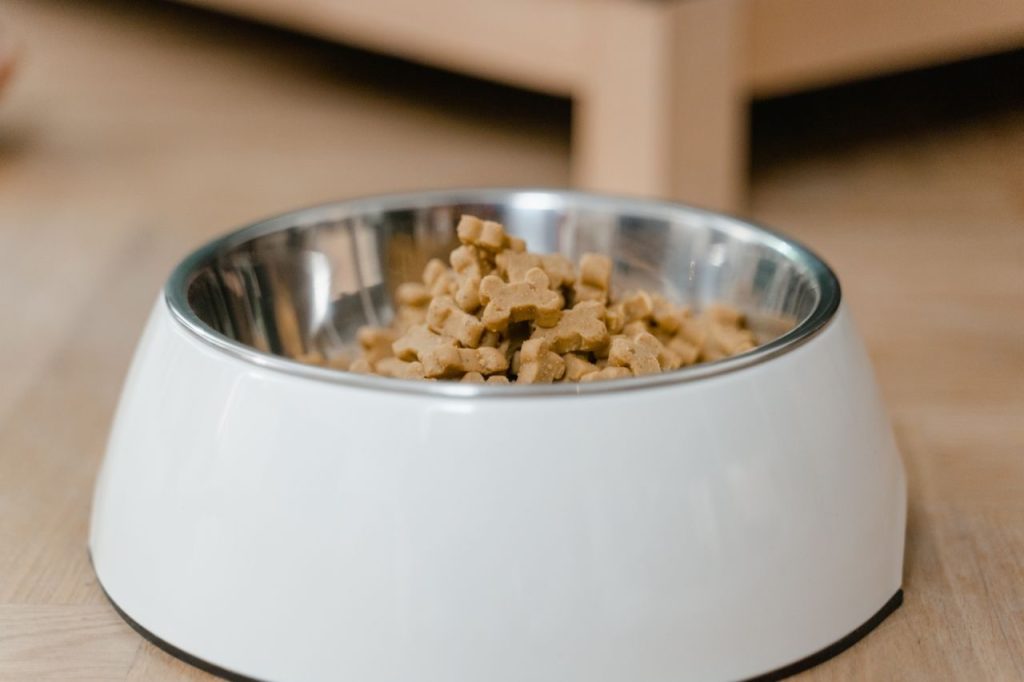
Check that raised bowl stands remain stable on the floor and that the bowls themselves sit level. Run a finger around the rim for chips that could irritate whiskers. If the bowls are dishwasher-safe according to the label, confirm the material still shows no clouding or cracking after repeated cycles. Wipe the mat underneath and look for permanent stains or odours that suggest it needs replacement.
Compare the current bowl size with the dog’s portion volume. A bowl that once held a full meal comfortably may now overflow if portions have increased; the opposite can also occur. Record any change so the next shopping list reflects the actual size required.
Keeping useful records
A simple table with columns for date, item, observation and action taken turns scattered notes into a usable history. After three or four months the entries show patterns, such as which type of lead stitching lasts longest or how quickly a particular bed filling compresses. The record stays private and is only shared with a professional if a conversation about equipment suitability arises.
Store receipts or order confirmations alongside the notes so material specifications remain available without searching online again. When an item reaches the end of its useful life, the date and reason are already documented, making the next purchase decision quicker.
Deciding when to replace
Replacement becomes necessary when an item no longer matches the published dimensions, when fastenings no longer hold securely, or when the dog consistently avoids using it. These criteria rely on direct comparison with the original specifications rather than assumptions about performance. If the dog’s routine changes, for example moving from short garden circuits to longer routes, the same lead may need to be reassessed even if it shows no visible wear.
Keep one spare lead and one spare bowl in storage so a sudden failure does not interrupt daily care. Check the spares during the same monthly review to ensure they have not deteriorated while unused.
Over time the monthly check becomes a brief, automatic task that keeps equipment aligned with the dog’s everyday needs without requiring special tools or expertise beyond careful observation and basic measurement.