Many owners notice that their dog stops more often on some sections of a walk than others. The difference often comes down to what the route itself offers at that moment, such as a patch of longer grass or a narrow side track that allows the dog to move at its own speed.
Looking at the physical layout of regular walks helps identify places where a dog can actually exercise choice rather than simply following the handler. This approach keeps attention on the environment and the dog’s immediate responses instead of any preset plan.
Checking surface variety along the same loop
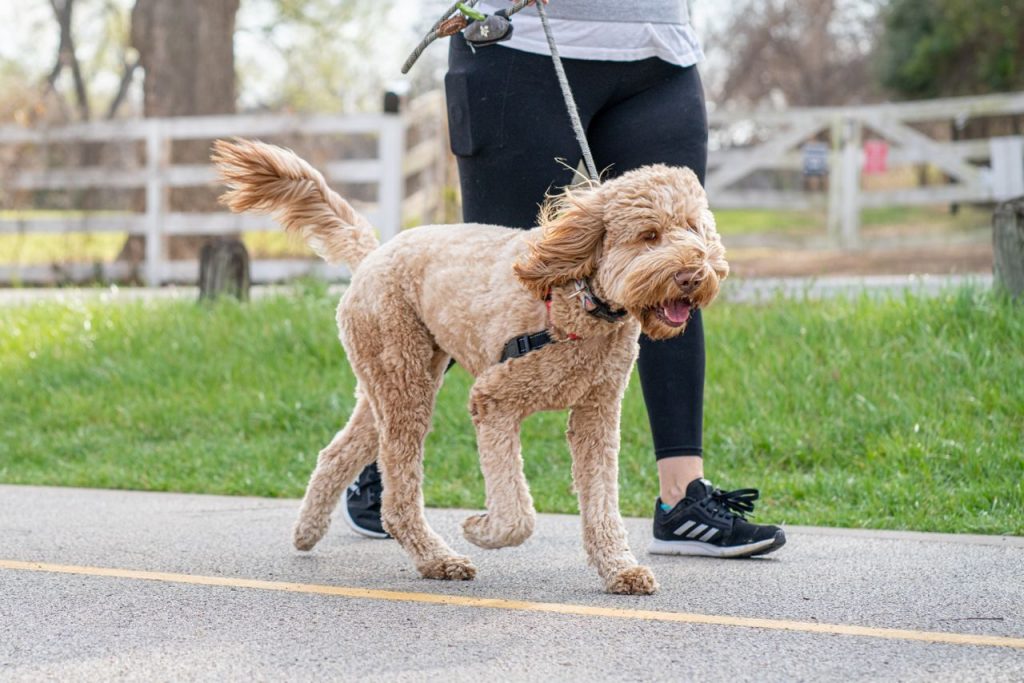
Paths that stay on one material limit what a dog can do. A stretch of short mown grass next to a gravel track gives the animal two distinct options at the same point. Watching whether the dog steps onto the grass or stays on the firmer surface shows a preference that can be noted for later walks.
Repeated use of the same route makes these comparisons straightforward. After several outings the owner can see which surfaces the dog chooses when given the chance to move between them without any change in direction from the lead.
Some dogs avoid hard surfaces on certain days while others seek them out for quicker movement. Recording these shifts against the time of day or recent weather builds a clearer picture of individual patterns.
Locating side paths that allow independent decisions
A main track with occasional narrower branches creates natural decision points. The dog can indicate interest by slowing or turning its head toward the side option. Giving a few extra seconds before continuing lets the animal show whether it wants to explore that branch or carry on.
These side paths do not need to be long. Even a short spur that ends at a tree or bench provides a place to pause and sniff without leaving the overall route. The key is that the choice remains with the dog rather than being directed.
Over time the same branches become reliable markers. If the dog consistently turns toward one particular spur on every outing, that location can be treated as a regular choice point worth preserving in the walking plan.
Access to quiet zones away from the main flow
Routes that pass close to roads or busy areas reduce opportunities for calm exploration. A short detour behind a hedge or into a recessed area offers a brief space where the dog can move without constant external pressure.
Checking these zones before the walk confirms they remain usable. Overgrown vegetation or temporary barriers can remove an access point that previously allowed the dog to step aside. Adjusting the route slightly to keep one or two such spots available maintains the range of choices.
Dogs that regularly select these quieter pockets demonstrate a need for lower stimulation at times. Keeping the option open respects that preference without requiring any change to the overall length of the outing.
Comparing open fields with routes that have boundaries
An open field gives wide freedom of movement, yet some dogs appear unsettled when there are no visible edges. A path that follows a fence line or hedge provides a clearer boundary while still allowing the dog to choose speed and exact position within that corridor.
Testing both types of location on different days shows which setting produces more relaxed movement. The comparison stays practical because it uses places the owner already visits rather than new destinations.

Where an open area borders a wooded strip, the transition zone itself becomes another choice point. The dog can decide how far into the trees it wants to go before returning to the clearer path.
Keeping simple notes on preferred features
A short record of which surfaces or side options the dog selects most often helps when planning future walks. The notes stay limited to observable actions such as “paused at second grass patch” or “chose gravel over mud today.”
These observations accumulate over weeks and reveal whether preferences stay stable or shift with seasons or health changes. The record remains private and is used only to adjust the walking environment, not to label the dog.
When a familiar route loses one of its useful features, the notes make it easier to find an alternative that supplies a similar choice without starting from scratch.
Adjusting the route when access changes
Construction, seasonal growth or new fencing can close off a previously available option. Checking the route in advance identifies the loss early and allows a small reroute to restore a comparable choice point.
The adjustment focuses on maintaining access rather than increasing distance or adding new activities. A single replacement spur or surface change often restores the previous level of choice.
Owners who walk the same area regularly are best placed to notice these changes and respond before the dog’s options become noticeably narrower.