Selecting a feeding bowl involves matching its material and shape to the actual spot where meals happen each day. Different surfaces, traffic levels and cleaning habits change which option works best over time. Owners often start by noting how the current bowl moves during use or how quickly it shows wear. This record helps narrow choices before any purchase.
Placement decisions also depend on whether the feeding area stays fixed or shifts with household changes such as new furniture or additional pets. Observing the dog’s posture and any hesitation at mealtimes provides practical clues about comfort with the existing setup. These observations guide later comparisons without requiring specialist equipment.
Material behaviour on common floor types
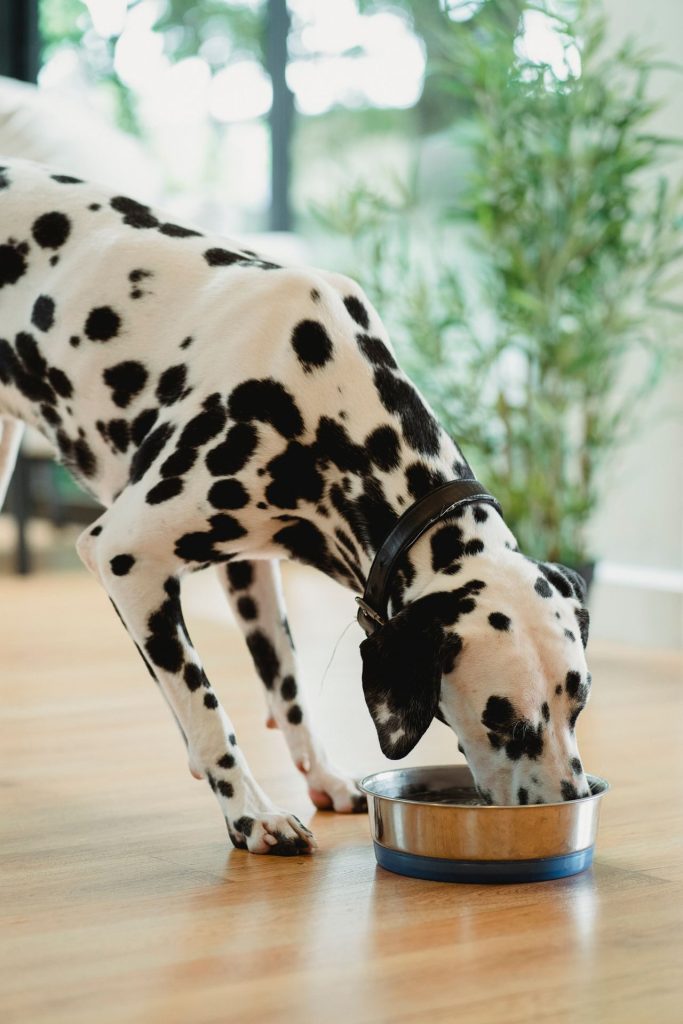
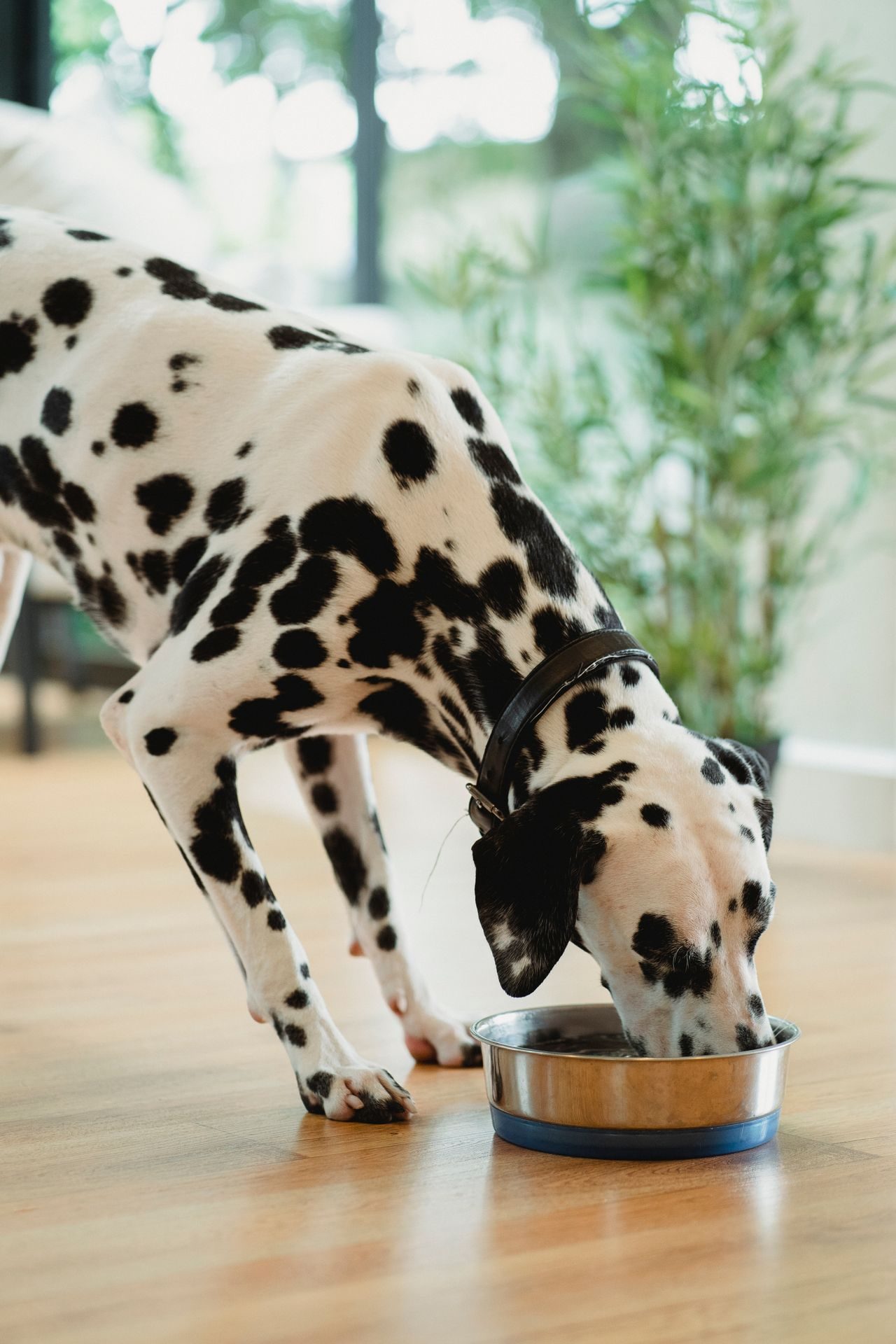
Ceramic bowls remain steady on tiled or wooden floors because their weight prevents sliding when a dog eats quickly. On carpet they can tip more easily if nudged from the side, so owners check the surface texture before final placement. Stainless steel bowls are lighter and may shift on smooth surfaces unless fitted with a rubber ring at the base. They withstand repeated washing without absorbing odours or staining. Plastic bowls are the lightest option and often slide across hard floors during enthusiastic eating. Some dogs chew the rim over months, leaving rough edges that collect food residue and require earlier replacement. Testing each material on the intended floor for a few days reveals whether movement or tipping occurs regularly.
Owners can place a bowl on the chosen surface and gently push it from different angles to simulate normal use. Ceramic rarely moves on hard floors yet may crack if the floor is uneven. Stainless steel with a non-slip base stays put on laminate but needs the ring removed for thorough drying underneath. Plastic shows the most variation depending on floor polish or carpet pile. Recording which material stays level after several meals helps decide whether to keep or change the bowl before habits form around an unstable option.
Stability features and daily movement
A raised edge or wide base reduces tipping when the bowl sits near doorways or in narrow hallways. Checking the base width against the available space prevents the bowl from rocking on uneven thresholds. Non-slip rings added to stainless models improve grip on laminate yet can trap moisture if not lifted for wiping after cleaning. Ceramic models rarely need extra grips but can crack if dropped onto hard flooring, raising replacement costs for larger sizes. Owners measure the gap between the wall and any nearby furniture first to confirm the chosen bowl fits without blocking passage.

Daily movement often increases when bowls sit in high-traffic zones such as kitchens or utility rooms. Testing involves watching whether the bowl shifts during the first few meals after placement. If movement happens, swapping to a heavier ceramic or adding a rubber base to stainless steel addresses the issue directly. Plastic bowls benefit from placement on a low mat that adds friction, though the mat itself must be cleaned regularly to avoid slipping. These adjustments remain practical only when the feeding spot allows enough room for the wider base without crowding other household items.
Cleaning steps for each material
Stainless steel bowls go through a dishwasher cycle without damage and hand washing with hot water and mild detergent removes dried food within minutes. A quick rinse after each meal prevents crusting and keeps the surface odour-free over months of use. Ceramic requires careful handling to avoid chips during washing. A soft brush reaches the inner curve while abrasive pads can scratch the glaze and create places where bacteria settle. Drying immediately after washing prevents water marks on visible surfaces in open feeding areas.
Plastic bowls need more frequent replacement because scratches hold food particles that resist ordinary washing. Warm soapy water and a dedicated sponge keep them acceptable between changes, yet owners check weekly for chew damage in homes with younger dogs. Placing the bowl in a sink or on a draining board during cleaning avoids spreading residue across worktops. Matching the cleaning method to the material and the feeding location reduces time spent each day and prevents lingering smells that affect nearby living spaces.
Size relative to household traffic
Smaller bowls suit single-dog homes with limited floor space beside the back door. They fit on a low mat without blocking passage when people move through the room. Larger bowls work better in utility rooms where two dogs eat side by side, provided the gap between the wall and any nearby furniture allows comfortable access. Elevated stands change the height but also increase the overall footprint, so measuring the stand base against the chosen corner prevents later rearrangement.
Household traffic patterns influence bowl size more than breed or age alone. In homes where children or visitors pass frequently, a compact bowl placed against a wall reduces the chance of accidental knocks. In quieter corners a wider bowl allows the dog to eat without turning its head sharply. Owners test size by setting out the bowl for several days and noting whether food spills over the edge or whether the dog steps away before finishing. These checks confirm whether the chosen dimensions match both the space and the dog’s eating style.
Long-term replacement and storage
Stainless options last several years with normal use and store easily in a cupboard as spares when one becomes dented. Ceramic sets can be bought in pairs so a replacement stands ready if one cracks during cleaning or transport. Plastic bowls remain inexpensive to keep on hand yet should be inspected weekly for chew damage, especially in homes where dogs explore objects with their mouths. Keeping one spare of the current material avoids sudden changes that might interrupt established feeding routines.
Storage conditions matter when bowls sit unused between replacements. Stainless steel tolerates cupboard humidity without corrosion, while ceramic needs padding to prevent chips from contact with other items. Plastic stacks compactly but should be checked for warping before reuse. Recording the purchase date on each bowl helps track how long each material lasts under the household’s specific cleaning and traffic conditions, guiding future purchases without guesswork.
Observing the dog during the first weeks
Watching whether the dog pushes the bowl across the floor or leaves food around the rim indicates whether a heavier or wider model would suit better. Movement patterns appear within the first few meals and remain consistent unless the placement changes. Noting any hesitation to approach the bowl after it has been moved to a new spot allows gradual relocation over several days to reduce avoidance. Recording how quickly water or food dries in the current bowl guides later decisions on material that holds temperature or resists evaporation in sunny spots.
Owners keep a simple note of posture and speed of eating during the trial period. If the dog stands awkwardly or finishes too quickly, the bowl height or rim shape may need adjustment relative to the floor level. These observations stay useful only when made at the actual feeding location rather than in a different room. Repeating the checks after any change in household routine confirms whether the original material still matches the revised placement needs.
Adjusting the setup over time
When household routines change, such as adding a second dog or moving the feeding area, re-measuring the space and testing one bowl at a time prevents disruption. Keeping the previous bowl available during the trial period allows immediate return if the new option proves unsuitable. Small adjustments to bowl position, such as moving it away from direct sunlight, extend the useful life of plastic models that otherwise warp. Ceramic and stainless steel tolerate light exposure without visible change yet still benefit from consistent placement to maintain the dog’s familiarity.
Owners review the feeding spot every few months as furniture or daily patterns shift. If traffic increases near the bowl, moving it to a quieter corner or switching to a heavier material restores stability without altering the dog’s established habits. These adjustments rely on repeated measurement of available floor space and continued observation of eating behaviour rather than assumptions about permanent suitability. The process stays practical when changes occur gradually and the original setup remains accessible as a fallback.