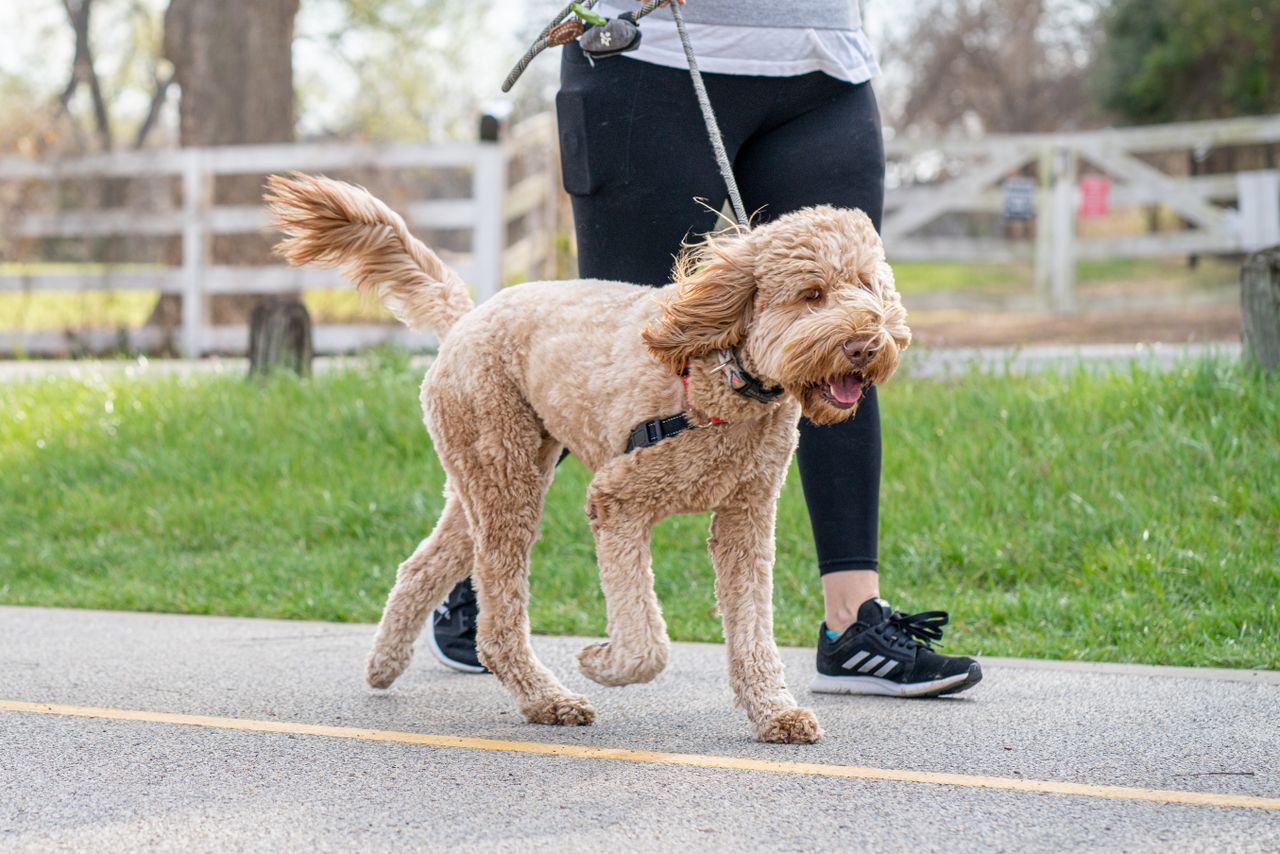
Describe the care you need
Before contacting a service, list the actual tasks, dates and setting involved. A walk, daytime care and an overnight handover create different responsibilities. Include relevant existing professional instructions and practical access requirements without sending unnecessary private documents at the first enquiry. A clear brief lets the provider explain whether the service fits, instead of both sides assuming the word care includes every task that might later arise.
Ask who will provide the care and whether that person will be the one you meet. Clarify any handover between staff or substitute arrangements. Do not infer the answer from a team photograph or a reassuring brand name. The practical question is which responsible adult will have the dog, what information they receive and how you can communicate during the agreed period if something changes.
Ask how the day actually works
Request a plain description of supervision, rest, outings and group arrangements where relevant. Ask how individual space needs are managed and what happens if the planned setting does not suit the dog. Do not assume several animals pictured together are evidence that every dog will be comfortable there. A provider should be able to explain the process rather than guarantee an outcome through repeated exposure or insist that the animal will adapt if left to get on with it.

Discuss methods and equipment directly. Care should not involve pain, intimidation or coercive training introduced without an appropriate humane plan. Ask what the provider does when an activity becomes difficult and when they seek additional professional advice. A service booking should not quietly become a behaviour-modification experiment. Relevant qualifications and competence need to match the service offered, not merely a general claim that the provider has always loved animals.
Check requirements and terms accurately
Ask which current requirements apply to the provider and how relevant claims can be verified through the proper local source. Verify any claimed licence or registration through the relevant current local source for that service type. Read the actual written booking terms, including cancellations, responsibilities and any conditions relevant to the planned care. Keep those details separate from customer comments, which may describe a different service period or arrangement.
Verify current costs and what is included rather than importing an old quoted price into the decision. Ask how changes are handled if the original plan becomes unsuitable or an additional task is needed. A clear written description protects understanding on both sides without pretending a standard form resolves every possible situation. If an answer remains vague, resolve it before the care period instead of relying on a friendly conversation to supply terms nobody has actually agreed.
Make the emergency route concrete
Discuss which veterinary service will be contacted, how your existing practice information is shared and what permission or administrative arrangements are needed. Confirm the provider’s process directly and check relevant details with your practice. Ask about transport and a backup contact who has agreed to be involved. Do not assume the owner’s availability or a staff member’s vehicle can be counted on at any hour without an explicit arrangement.
Explain that serious current concerns require prompt veterinary contact rather than an automatic wait for a routine owner update. The FDA emergency planning resource supports preparing the contact route; the actual contacts must be verified locally. Keep medicines and clinical instructions under the existing professional plan, with clear agreement about the provider’s ability and responsibility rather than an assumption that every caregiver has clinical training.
Confirm the final handover
Arrange a suitable introduction and practical walkthrough where appropriate, without forcing the dog into an overwhelming trial to prove the booking can proceed. Share current feeding, equipment and household information in a readable form. Record the last completed task and next one due when responsibility transfers. This avoids duplicated meals or missed care caused by a vague message that everything is ready when the two adults mean different stages of the routine.
Keep the essential contact and booking information accessible to the responsible people while storing private records appropriately. You may decide a service is not the right fit, and that is a useful result of asking questions. A good booking is supported by clear responsibilities, humane methods and workable contingency arrangements. Choose through documented responsibilities, verifiable qualifications where relevant and an arrangement that supports the dog’s actual care needs.