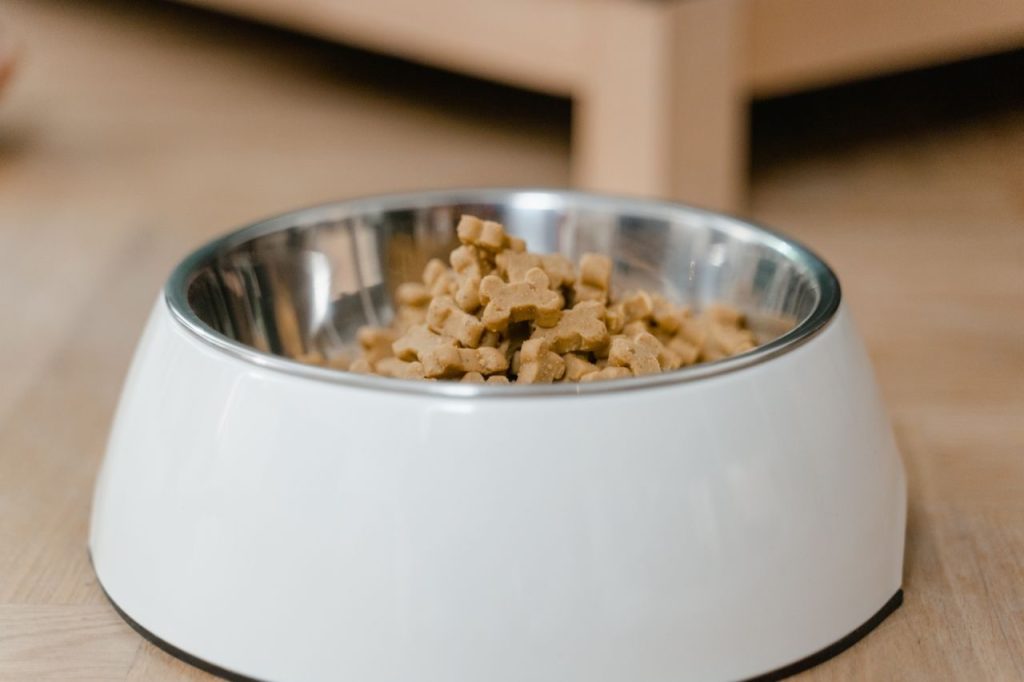

Household mealtimes create repeated moments where dogs show clear preferences about where they stay and what they do. Comparing access choices helps owners notice patterns without assuming one setup works for every dog or every day. Owners can track how a dog responds to the sounds of plates, voices and movement by testing different placements over successive evenings and noting consistent choices rather than isolated reactions.
Some dogs move toward the dining area while others settle farther away. Tracking these responses over several days reveals whether a dog values proximity, distance or a particular surface at those times. The process starts with defining the available options in the specific home layout, then applying the same observation method to each choice so that differences become visible through direct comparison rather than assumption.
Defining the main access options
Three practical choices appear most often in homes: allowing the dog to remain in the same room with a clear exit route, placing the dog in an adjacent room with an open doorway, or using a separate quiet area with its own resting surface. Each option changes what an owner can observe about posture, settling time and any shifts in position. The same-room choice keeps the dog within view of table activity, which can show whether the dog lies down quickly or continues to adjust as people move around the space. An adjacent-room option creates a middle ground where the dog can still hear and see some activity through the doorway while having the freedom to step out of sight. A separate area further reduces direct exposure to movement and sound, allowing observation of whether the dog selects a particular mat or floor type and remains there without returning to check the doorway. Owners weigh these options by first listing the physical routes available in their kitchen and dining layout, then testing one arrangement for several meals before switching to the next so that settling patterns can be compared directly.
Choosing between these placements also depends on the number of exit routes a dog can use without being blocked by furniture or people. A clear path to another room lets the dog demonstrate preference through movement rather than remaining in place because no alternative exists. When testing the same-room option, note whether the dog positions itself near a wall or under a table edge that provides partial cover. In the adjacent-room test, observe whether the dog orients its body toward the doorway or turns away once settled. For the separate-area test, record whether the dog returns to the chosen spot after brief interruptions such as a chair scraping or a voice calling across the house. These distinctions help determine which access level matches the dog’s observed need on a given evening without assuming the same choice will suit every household size or every mealtime.

Observing settling behaviour under each option
Watch how long it takes the dog to choose a spot and whether the chosen spot changes once people start eating. A dog that selects a mat near the doorway and stays there provides different information from one that starts near the table and then moves away after the first few minutes. Record the surfaces used, such as cool flooring, a raised bed or a lowered mat, and note any repeated returns to the same surface after small interruptions like a dropped utensil or a chair moving. The timing of the first settle often differs between options: a dog given the same-room choice may take longer to lie down because more visual cues are present, whereas the separate-area choice may allow quicker settling once the dog is out of direct line of sight. Owners can use a simple mental count of seconds from the moment the dog enters the space until it first lowers its body, then compare that interval across the three options on successive days.
Position changes after settling also supply useful data. A dog that stands and resettles twice during a meal in the same-room setup may show fewer adjustments when placed in the adjacent room, indicating that reduced visual stimulation supports longer periods of rest. Surface preference can be checked by offering two different resting places within the chosen access zone and noting which one the dog selects first and returns to after any movement. If the dog consistently chooses the cooler floor over a fabric mat in one option but switches preference in another, that shift points to an interaction between access level and surface comfort rather than a fixed preference. These observations remain within normal daily variation and do not replace professional assessment when sudden or sustained changes appear.
Considering household traffic patterns
Mealtimes often coincide with movement between kitchen and table. A dog placed in a high-traffic route may stand up more often than one given a side area with fewer crossings. Comparing these patterns helps decide whether the current access choice matches the dog’s observed need for fewer interruptions. Door swings and chair positions matter because a doorway that opens toward the dog’s resting spot can prompt repeated adjustments even when the dog otherwise appears settled. Owners can map the usual paths people take during a meal by noting the sequence of movements from serving area to table and back, then place the dog outside those main lines for one option and inside them for another to see the effect on settling frequency.
Traffic also includes the sound of footsteps and voices that travel through open doorways. Testing an adjacent-room placement with the door fully open versus partially closed can show whether the dog prefers to hear activity or to have a partial acoustic barrier. In homes where children move between rooms during meals, the number of crossings increases, so the same access option may produce different results on evenings when more people are present. Recording the number of times the dog stands during a fixed ten-minute window after the meal begins provides a concrete comparison point across different traffic levels without requiring complex equipment.
Adjusting for different household sizes
In homes with several people eating at once, the number of movement cues increases. A dog that tolerates one or two people may show more position changes when four or five are present. Testing the same access choice on both quiet and busier evenings shows whether the dog’s preference stays consistent. Smaller households may find an adjacent room sufficient, while larger ones may need to test a more distant area to reduce the frequency of standing and resettling. The key is to keep the physical layout of each option constant while varying only the number of people, so that differences in the dog’s behaviour can be attributed to social density rather than changes in available space.
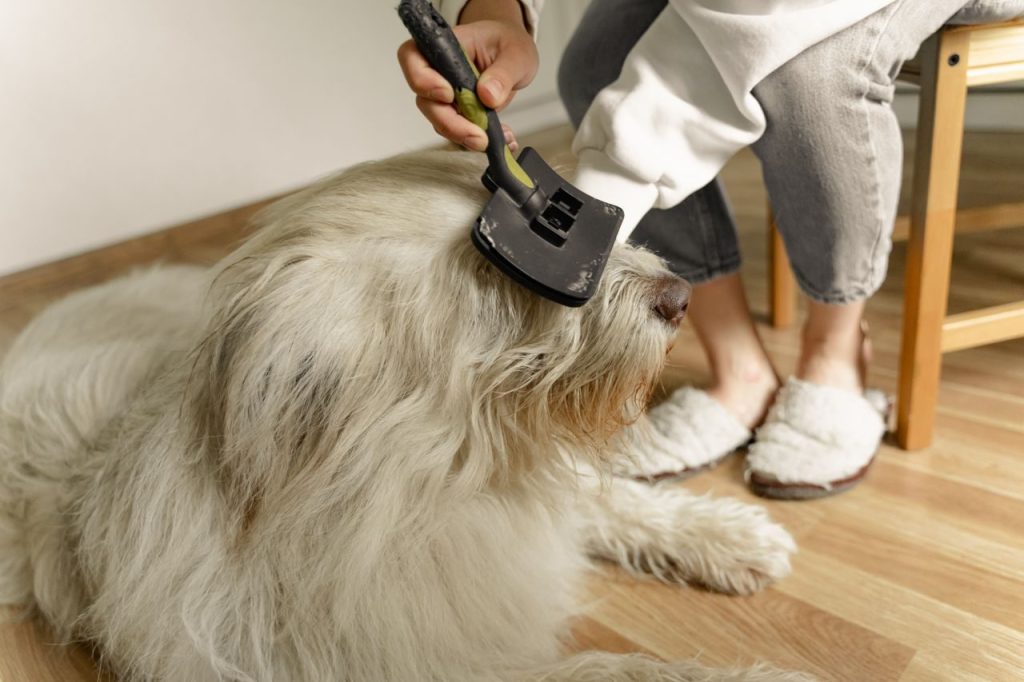
Household size also affects the timing of mealtimes. Larger groups often eat later or take longer, which can shift the dog’s energy level and preferred resting surface. Comparing access options across both short weekday meals and longer weekend gatherings reveals whether the dog’s choice of proximity or distance changes with meal duration. Owners can note the approximate number of people present and the length of the meal alongside the settling observations to identify patterns that recur under similar conditions.
Reviewing the setup after several days
After using one access option for four or five consecutive meals, switch to a second option and repeat the same observations. Compare how quickly the dog settles, how often it changes position and whether it uses the same surface each time. Keep notes brief: time to first settle, number of position changes and surface chosen. These details make later comparisons straightforward without requiring complex records. A written or mental log that lists the option tested, the approximate time of day and the three main observations allows an owner to see trends after two weeks of alternating between two or three setups.
Consistency in observation method matters more than the total number of meals recorded. Using the same counting approach for settling time across all options prevents small differences in measurement from skewing the comparison. When a pattern emerges, such as quicker settling in the adjacent-room choice on three out of four tested evenings, that result can guide the next period of testing rather than serving as a permanent rule. If no clear difference appears after several switches, the household may continue with the option that requires the least daily adjustment while still monitoring for changes in the dog’s responses.
Respecting individual variation across days
A dog may prefer proximity on one day and distance on another. Factors such as earlier exercise, visitors or changes in household noise can shift the choice. Repeating the comparison across varied days prevents treating a single observation as a fixed rule. When a sudden or sustained change appears, note the surrounding conditions rather than assuming the access option itself is the cause. Persistent shifts in settling or repeated movement warrant a conversation with a veterinarian or qualified behaviour professional. Owners can then decide which access choice best matches the patterns observed in their own household without assuming one arrangement suits every situation.
Individual variation also includes differences between dogs living in the same home. One dog may settle faster with an open doorway while another prefers the separate area on the same evening. Testing the options with each dog separately, rather than assuming shared preferences, respects the distinct responses that arise from age, past experience and current physical condition. The goal remains practical observation that supports daily routines while leaving room for the dog to demonstrate its current preference through voluntary movement and settling behaviour.