
Write the essential page first
Begin the handover with one page a sitter can use quickly: your contact details, the agreed care dates, verified veterinary contacts and the location of the full instructions. Add the dog’s identifying information and any relevant existing professional care plan. Put urgent practical information before a long account of favourite toys or habits. A sitter should not need to scroll through several messages to discover which practice to contact or where the lead is kept.
Walk through the home together
Show the sitter the ordinary route from the dog’s resting area to the exit, including doors, gates and any access arrangements they need to know. Demonstrate where food, bowls, waste bags and familiar equipment belong. Ask them to repeat the key practical steps in their own words so ambiguities can be resolved while you are present. This is a conversation about the actual household setup, not a test of the sitter’s memory or an assumption they will infer every routine from observation.
Make feeding instructions unambiguous
Identify the food and the existing feeding arrangement clearly, using the owner’s agreed quantities and any veterinary instructions that already apply. Label containers so a similar-looking product is not substituted accidentally. Record when the last meal was given and which meals the sitter is responsible for. If several people share care, use one visible log rather than a series of separate messages that can lead to an extra meal because nobody saw the earlier update.

Explain medication boundaries
If medication is involved, keep the veterinarian’s current written instructions available and agree whether the sitter is able and willing to follow that plan. Do not invent a simplified dose, substitute a human product or assume clinical training. Resolve practical questions with the veterinarian before the handover. Keep medicines secured appropriately and distinguish them from food and grooming supplies so an unfamiliar person does not have to guess which container serves which purpose during a busy moment.
Show familiar equipment without improvising
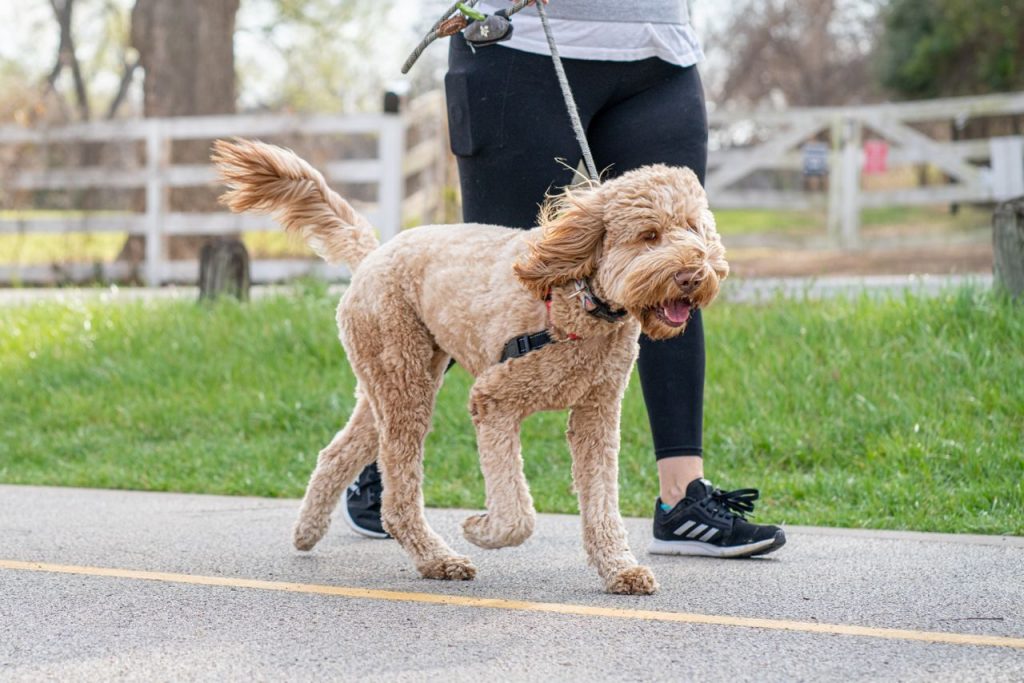
Let the sitter identify the correct lead, harness or other ordinary equipment and understand how it is used under its instructions. Explain the routes and situations the dog is familiar with, including places you avoid or circumstances requiring more space. Do not turn the handover into an ambitious new outing or assume the sitter should resolve behaviour concerns while you are away. A straightforward familiar routine is easier to communicate than an unexplained series of exceptions discovered after departure.
Leave rest and withdrawal available
Point out the dog’s usual quiet place and how people should keep it accessible. Explain whether there are household arrangements for visitors, deliveries or other animals. The sitter should know how to avoid forced greetings and give the dog space rather than interpret withdrawal as a problem to overcome. A few clear environmental instructions can be more useful than a personality label such as loves everyone, which may not describe the dog’s response in every unfamiliar situation.

Agree what should be reported
Set a realistic update arrangement and describe the information that matters: a completed care task, an unexpected change or a practical difficulty. Encourage the sitter to report uncertainty rather than conceal it for fear of bothering you. Serious current signs need prompt veterinary contact using the agreed plan; waiting for the owner’s reply should not become an automatic delay when urgent advice is needed. Confirm that the sitter understands where the verified local emergency contact is recorded.
Confirm consent and transport details
Discuss in advance what permission the sitter has to contact the practice, share relevant records and arrange appropriate transport. Check the practice’s requirements directly rather than assuming a text message between owner and sitter settles every administrative question. Identify a feasible transport option and a backup contact who has agreed to help. Do not rely on an unconfirmed person or a car arrangement that no one has checked is available during the actual care period.
Do a final handover check
Before leaving, confirm the last completed meal, walk or other scheduled task and the next one due. Check keys, entry instructions and the location of essential supplies. Remove obsolete notes that conflict with the current arrangement. A short dated handover is easier to use than several versions that each look official. Ask whether the sitter has any unanswered questions, especially about a task that sounded simple when discussed but has not yet been demonstrated in the actual home.
Keep the plan available
Leave the essential page somewhere accessible to the responsible adult while securing private documents and medicines appropriately. The FDA’s emergency-contact guidance supports preparing veterinary contact information, but use contacts verified for your own location. A calm handover is a practical transfer of responsibility: clear tasks, familiar equipment, known boundaries and a way to seek help, rather than a promise that a sitter can predict or manage every possible event alone.