Separate the supplies by purpose
Gather dog-care items in a clear workspace while the dog is safely away from the sorting activity. Make separate groups for food, ordinary walking equipment, grooming tools and products needing secure storage. Do not combine everything into one attractive open basket simply because each item relates to the same animal. A lead and a cleaning product have different access requirements, and the storage plan should make those differences obvious before anything is returned to the cupboard.
Keep original information readable
Preserve product names, instructions and identifying details when arranging containers. If food is placed inside another container, keep the relevant packaging information available rather than losing the exact product and batch details. Avoid filling an unlabelled jar with something that could be mistaken for another supply. Clear identification helps daily care and gives you useful information if a product question later needs to be discussed with the maker or veterinarian.
Make food access deliberate
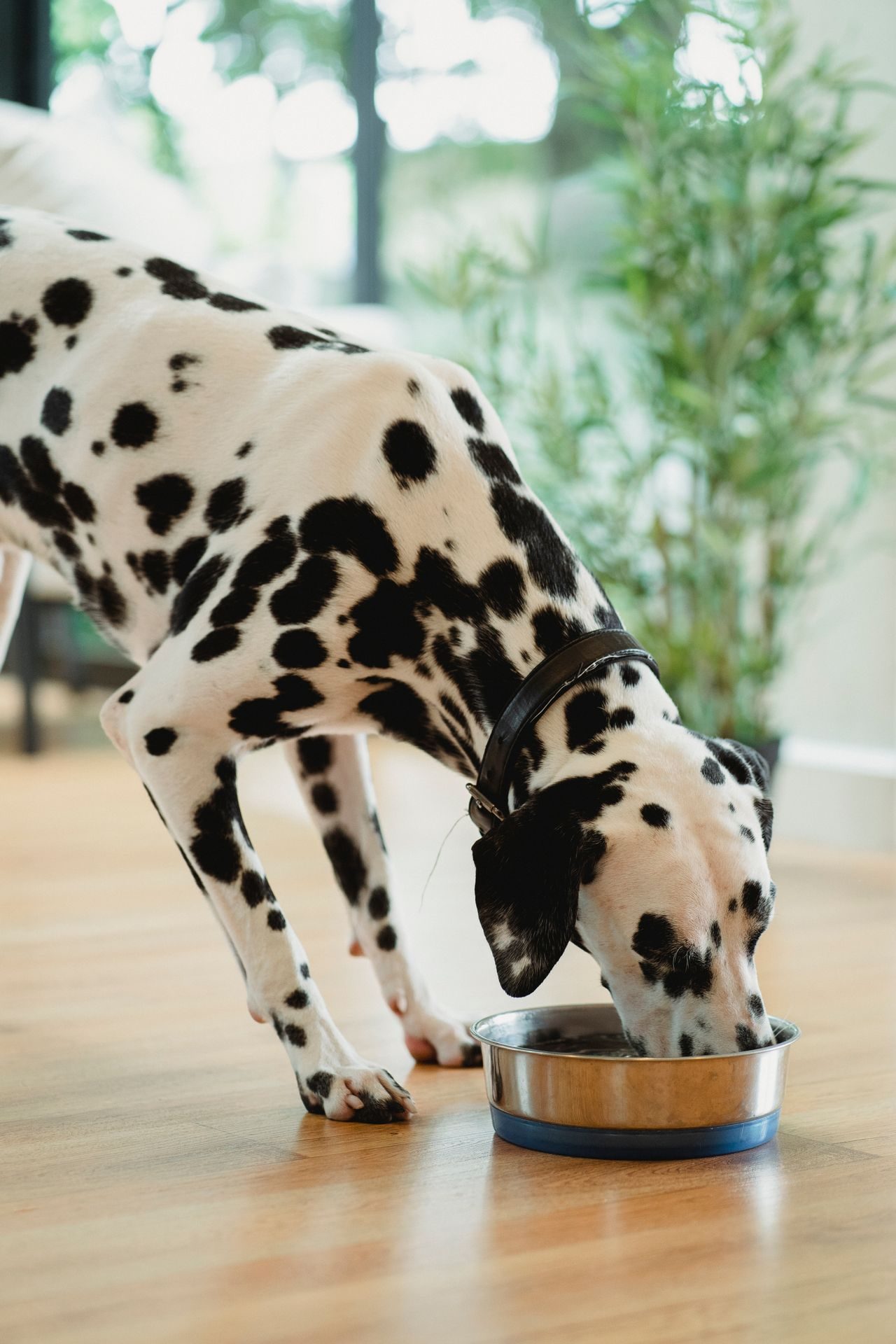
Choose storage appropriate to the product instructions and the household, with containers secured out of the dog’s reach. Do not assume a lid that is convenient for an adult is a barrier to a determined animal. Consider the cupboard, room and how the container is closed as part of the arrangement. If several people feed the dog, keep the agreed feeding instructions and a simple completion record nearby so access does not lead to duplicated meals.
Store hazardous items separately
Keep medicines, household chemicals and other hazardous products in secured appropriate storage, away from food and ordinary grooming equipment. A child-resistant package is not a guarantee that it cannot be chewed or damaged by an animal. Follow the product’s storage instructions and do not rely on height alone if furniture or household activity can make the area accessible. Treat temporary placement during cleaning or restocking as part of the task, not an exception that can be forgotten.
Give grooming tools a clear home
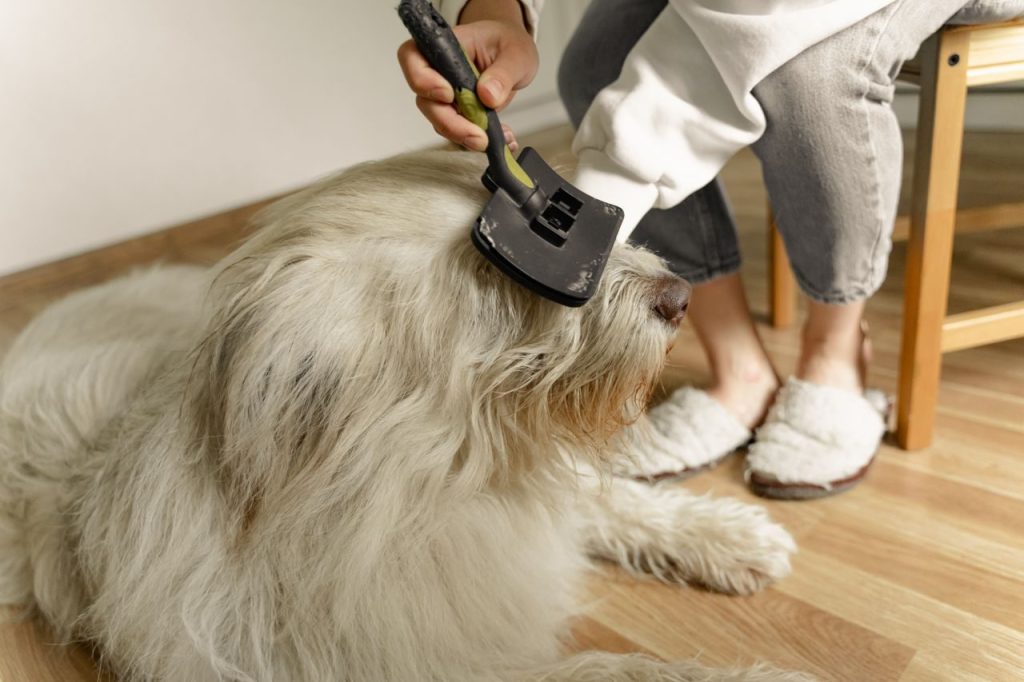
Clean and store brushes and other permitted grooming equipment according to their instructions, keeping sharp or specialised tools appropriately secured. Separate everyday items from anything used under a professional care plan. Do not assume every brush suits every coat or that a tool kept in the dog basket is automatically appropriate to use. Label or remove unclear items until their purpose is established, rather than asking another household member to guess during a grooming session.
Keep walking equipment ready to inspect
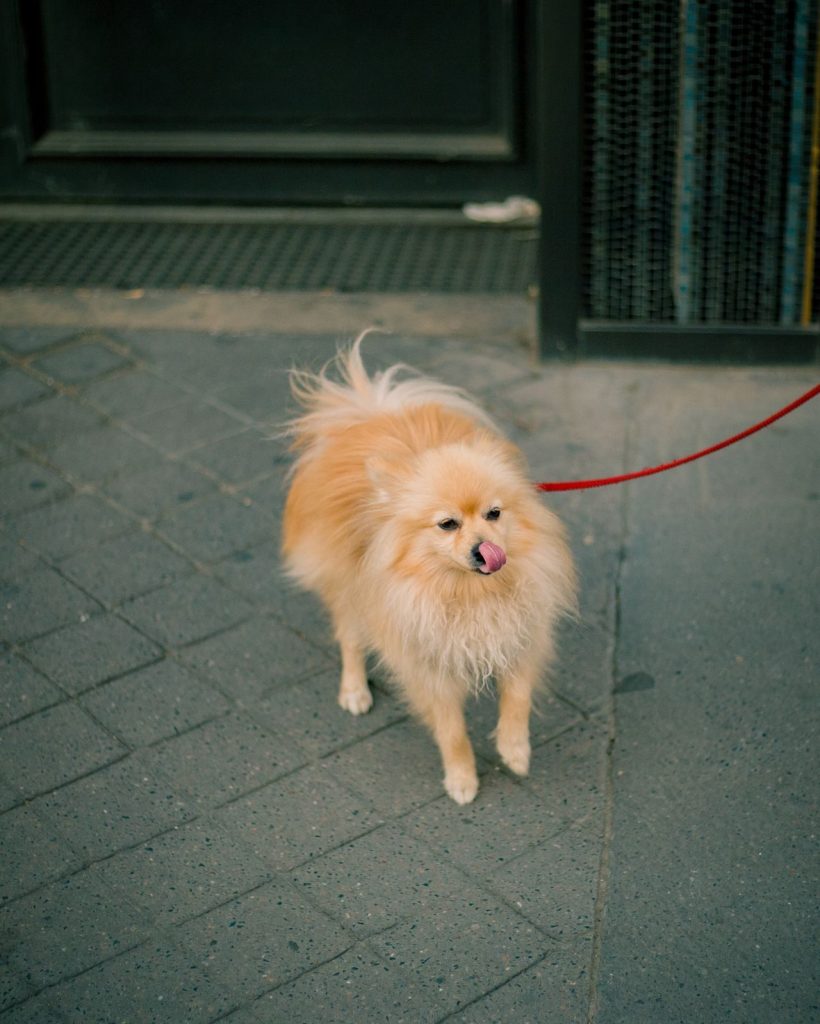
Assign a practical place for familiar leads, harnesses, waste bags and related supplies so leaving the home does not require a rushed search. Store equipment where it can dry and be checked under its instructions after use. A hook or shelf should support the actual items securely and not obstruct an exit. Keep damaged or uncertain equipment separate from ready-to-use pieces, with a clear note if someone else might otherwise pick it up for the next walk.

Check the temporary gaps
Many storage problems happen while a cupboard is open or a delivery is being unpacked. Plan where new food and care products will wait while labels are checked and the storage area is prepared. Do not leave bags or packaging accessible because the permanent container is secure. Finish putting items away before starting another task, and make sure loose packaging or discarded product pieces are removed appropriately from the dog’s access.
Set a small restocking routine
Choose one visible list for supplies running low instead of several private notes. Check the actual product reference before replacing food or another item that needs to remain consistent with an existing care plan. Mark which person is responsible for ordering or buying so the household does not accidentally duplicate a purchase or assume someone else has done it. Keep the routine brief enough that it is used during ordinary life rather than only after a cupboard overhaul.
Prepare for an accidental exposure
Keep verified veterinary and emergency contacts accessible to the responsible adults, with product packaging available where appropriate. If the dog may have swallowed or been exposed to something hazardous, contact a veterinarian promptly rather than trying a home treatment or waiting to see whether another sign appears. Do not induce vomiting or give a human medicine based on a storage article. The useful preparation is clear identification and a route to professional help, not an improvised treatment protocol.
Keep the arrangement easy to maintain
Review the storage when a new product arrives or household access changes. An organiser that works only while every item is placed in an exact decorative order is unlikely to stay reliable. Use clear groups, secure relevant products and an obvious home for ready equipment. A good dog-care cupboard makes correct everyday choices easier while keeping food, tools and hazardous items from becoming an indistinguishable collection that anyone must sort through during a busy moment.