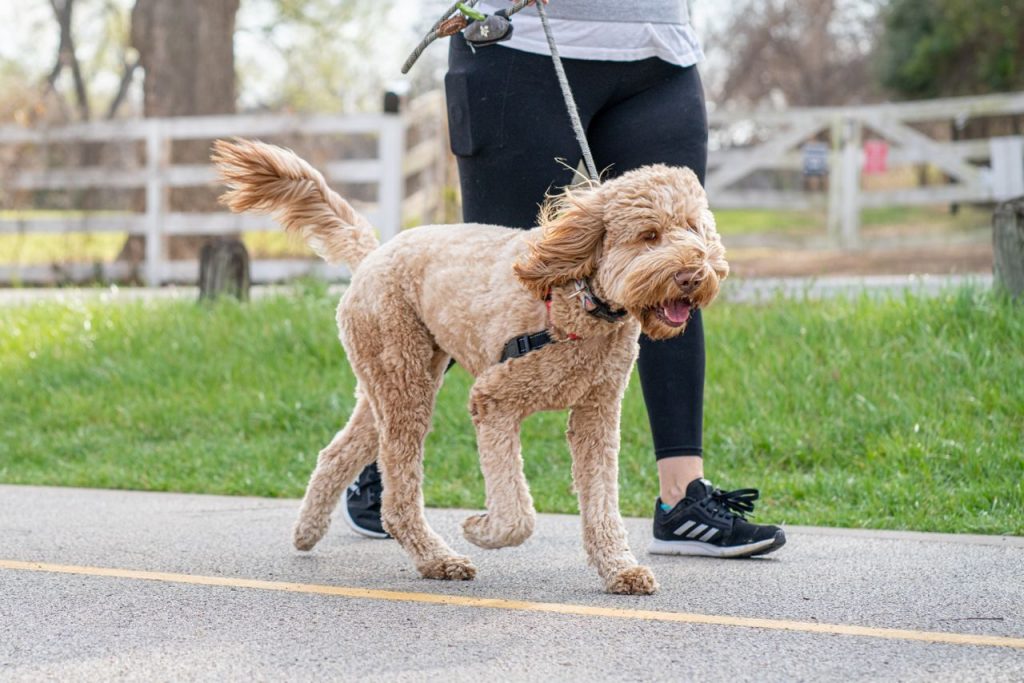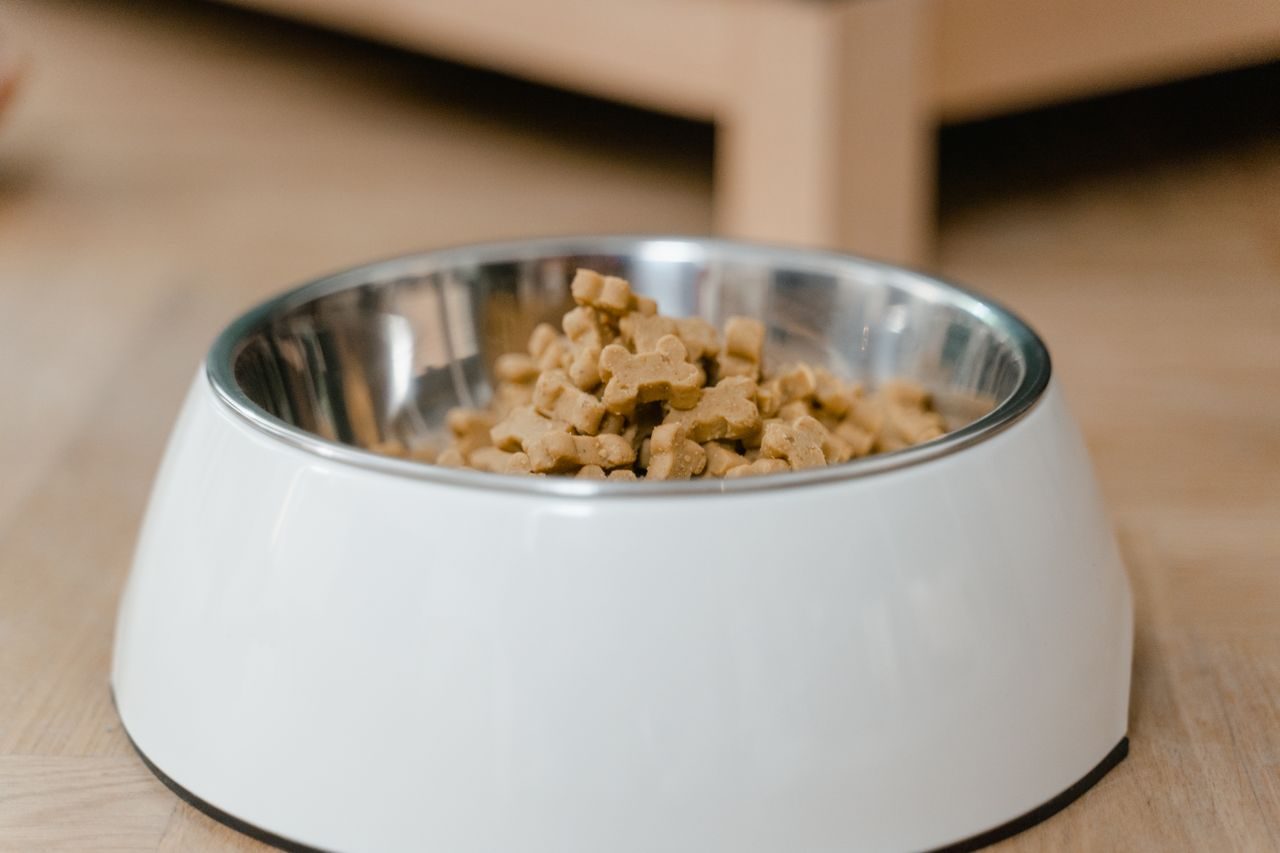
Many owners notice their dogs settle into particular patterns once the day winds down. Recording these patterns helps build a clearer picture of what the dog prefers without altering the situation or introducing new pressures. The process stays limited to quiet watching and brief written notes taken from a distance. Over repeated evenings the notes can show whether the dog consistently returns to the same corner, changes position when voices rise, or ignores certain items placed nearby. This record remains private until the owner decides to share it.
Evening routines often include reduced activity and more time spent in shared spaces. Keeping brief notes on what the dog does can reveal consistent preferences over several days. The method works best when the observer avoids calling the dog or moving objects during the chosen window. Notes focus only on visible actions such as settling on a particular rug or turning away from a doorway. Conditions that suit this approach include households where the evening schedule stays roughly the same from one day to the next. If the routine changes suddenly, such as an unexpected visitor arriving, the notes for that evening are marked separately so they do not distort the longer record.
Choosing a Quiet Time Slot
Select a consistent fifteen-minute window after the main evening meal when household movement slows. This slot works well because most dogs have already eaten and are free to move without immediate demands placed on them. The observer sits in a usual chair with a notebook or phone already open, avoiding any extra movements that might draw attention. Write the date and exact start time at the top of the page before looking at the dog. If the dog leaves the room within the first few minutes, simply record the departure time and end the session early rather than following or calling. Common mistakes include choosing a slot right after a loud television programme or during the arrival of other family members, both of which can mask the dog’s usual preferences. The judgment criterion is whether the household activity level stays low enough for the dog to make unprompted decisions about where to rest.
Another condition for success is that the chosen slot occurs on at least three separate evenings before any comparison begins. Single observations carry little weight because daily variations in lighting, temperature or background noise can shift behaviour temporarily. If the dog appears unsettled on the first evening, continue the same slot the following day without changing the time. Owners sometimes shorten the window when the dog stays still, yet extending it slightly on calm evenings can capture whether the dog later moves to a different surface. The record should note any external sounds such as a neighbour’s door closing, because these may explain a sudden shift without reflecting a lasting preference. Over time the collected times reveal whether the dog’s choice of moment to settle follows a repeatable pattern or varies with household noise levels.
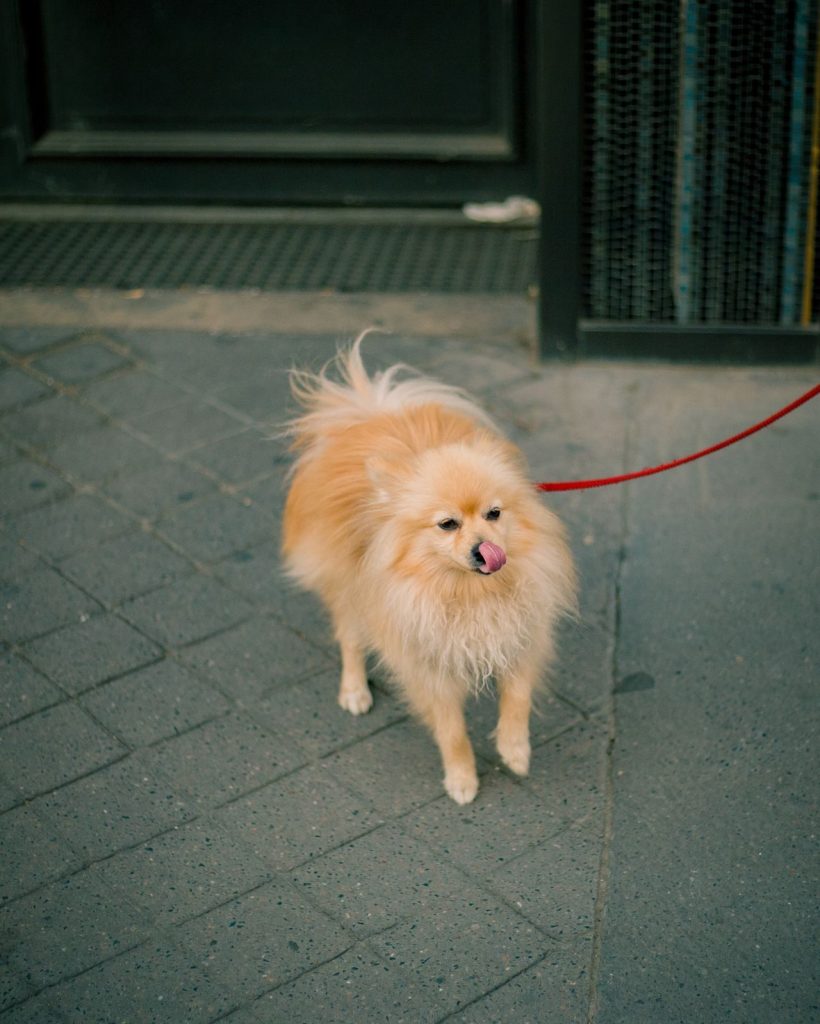
Recording Location Choices
Observe where the dog settles without calling or guiding it. Note the room, the surface chosen and whether the dog faces the room or a wall. Repeat the same notes on three separate evenings so that patterns such as always choosing the same corner or alternating between two spots become visible. The method requires the observer to remain in one place and avoid moving furniture or turning on additional lights during the slot. If the dog chooses a location partly hidden behind a chair, record that detail exactly rather than assuming comfort or avoidance. Applicable conditions include homes where the evening furniture layout stays unchanged; any rearrangement means starting a fresh series of notes.
A frequent error is to interpret the chosen spot immediately, for instance assuming the dog seeks warmth near a radiator when the actual reason may be simply the furthest point from foot traffic. The record therefore limits itself to observable facts: “lay on the tiled floor beside the table leg, facing the kitchen doorway.” Over several evenings the notes can be checked against one another to see whether the same surface appears more often than others. When two locations appear equally often, the record can list both without ranking them. This approach keeps the information usable for later discussions with a qualified professional if the owner wishes to raise questions about the dog’s daily movements.
Tracking Interaction Signals
Watch for small movements when family members enter the room. Record whether the dog lifts its head, shifts position or stays still. These notes stay descriptive: “lifted head then lowered it again after five seconds” rather than interpreting intent. The record helps later conversations with professionals if needed. Suitable conditions are evenings when the usual household members follow their normal paths rather than approaching the dog directly. If a child runs into the room, that event is noted separately because it differs from the ordinary pattern.
Owners sometimes overlook brief glances or ear movements because they expect larger signals. Training the eye to notice the first small change improves the quality of the record. The judgment basis is consistency across evenings: a single head lift carries less weight than the same movement appearing on four out of five nights. When the dog remains completely still, the note simply states “no visible movement observed during the slot.” This factual style prevents the record from drifting into assumptions about how the dog feels about particular people entering the space.
Documenting Toy or Chew Use
If a toy or chew is available, note whether the dog approaches it during the slot. Record duration of engagement and whether the item is carried to another spot. Leave the item in its usual place so the observation reflects ordinary access rather than a new introduction. The method works when the chew or toy has been present for several days already, allowing the dog to treat it as part of the normal environment. If the dog carries the item out of sight, the note ends at the moment it leaves the room rather than attempting to follow.
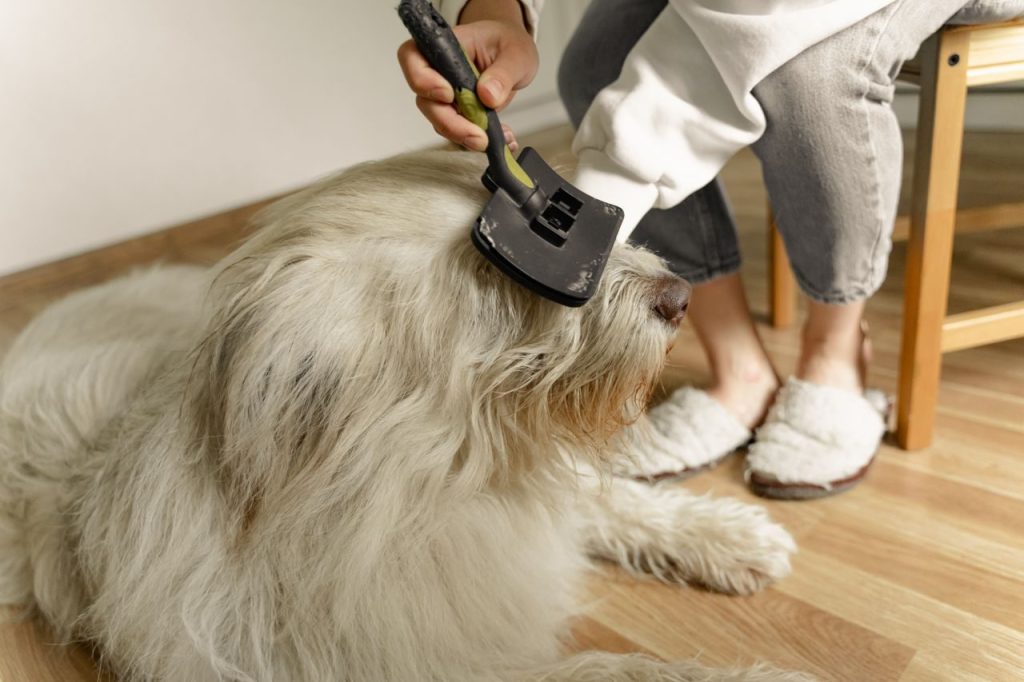
Common mistakes include adding a new toy on the evening of recording or removing an item the dog has ignored for several minutes. Both actions change the conditions and reduce the value of the comparison across evenings. The applicable boundary is that the record covers only what the dog does with items already present; it does not extend to testing new products. When the dog shows no interest, the note states “no approach to the chew observed during the fifteen-minute window.” Repeated entries of this kind can later show whether interest appears only on certain evenings or remains absent across several records.
Reviewing Notes After Several Days
After four or five evenings, read the entries together. Look for repeated locations, consistent signals or changes in toy interest. The review stays factual and highlights only what appears more than once so the record remains useful rather than speculative. Conditions that support a meaningful review include evenings that share roughly the same start time and household occupancy. If one evening included an extra person, that entry is set aside during the first comparison.
Owners sometimes attempt to draw conclusions after only two evenings, yet the guideline is to wait until at least four entries exist. This reduces the chance that a single unusual event, such as a thunderstorm outside, skews the overall picture. The review can be as simple as listing the most frequent location and the most frequent signal observed. No ranking or preference score is added; the record simply states what occurred most often within the collected notes.
Adjusting the Record Over Time
When household schedules change, such as earlier bedtimes or different lighting, start a new short series of notes. Compare the two sets only after each has several entries. This method keeps the focus on actual observations rather than assumptions about why preferences shift. The new series begins only after the changed schedule has been in place for at least three evenings, giving the dog time to adjust to the new pattern.
A practical check is to mark the date when the schedule altered so the boundary between the two records stays clear. If the dog begins using a different room after the change, the second record will show this without mixing data from the earlier routine. The process remains open-ended; the owner decides when enough entries exist to stop or to continue for another period. The resulting documents stay in the owner’s possession and can be consulted whenever questions arise about the dog’s evening movements within the household.