Begin with the setting
A movement makes more sense when you notice what is happening around it. Before interpreting a dog’s tail, look at the people, animals, sounds and available space. Is someone approaching, is a door busy or is the dog trying to move elsewhere? A single visible feature cannot supply the whole account. Start by describing the situation rather than assigning a definite emotional label from one brief moment or a photograph detached from its context.
Notice the whole interaction
Look at the dog’s movement through the space and what happens when pressure changes. Do they approach freely, remain still or choose to leave? Keep the account factual without treating one action as a diagnostic chart. A dog may be navigating several things at once. Your practical response does not require certainty about an internal emotion: allowing distance and avoiding forced contact can be appropriate when the situation is unclear.
Do not convert movement into permission
A tail movement is not a contract allowing a stranger to touch, hug or lean over the dog. Ask the responsible adult about the situation and still leave the dog an option to withdraw. A person can decline an interaction even when another observer believes the dog looks friendly. There is no need to resolve the disagreement by having someone approach and test which interpretation was right through closer contact.
Watch changes in human pressure
Consider what people are doing as part of the scene. Repeated reaching, following or crowding can change an interaction that began with more space. If the dog moves away, do not turn that choice into a game of pursuing them with affection. Keep your response calm and create room. Observing the human contribution often gives you a practical adjustment without needing to label the dog as shy, rude, dominant or insufficiently socialised.
Keep photographs in perspective
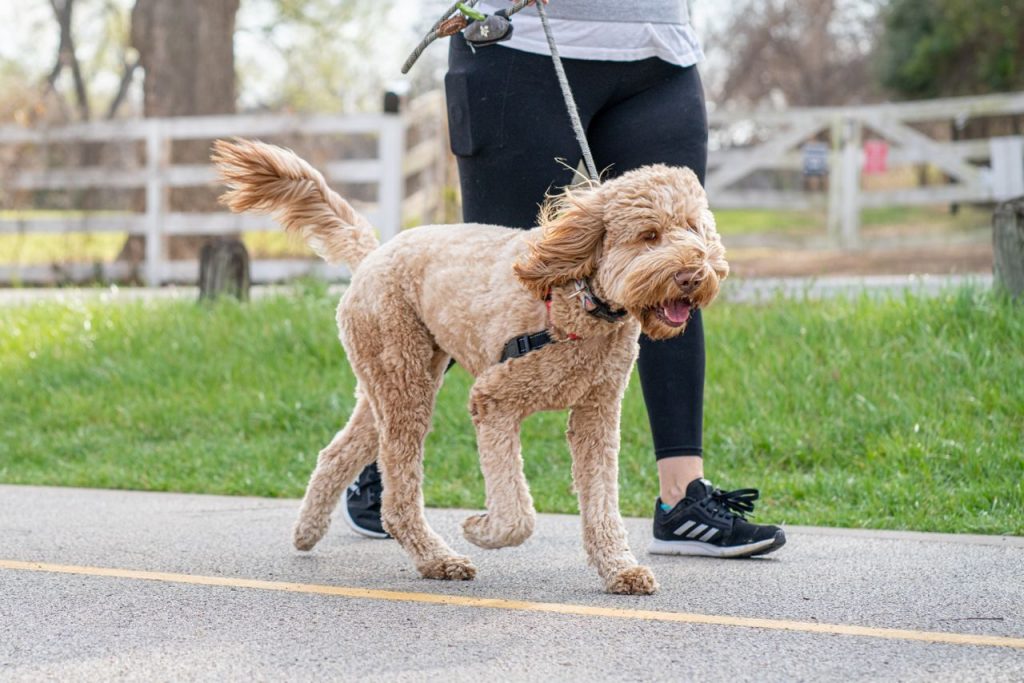
A still image captures one instant and may omit the approach, surrounding activity and what happened next. Avoid diagnosing a dog’s temperament from a single picture or using a social-media caption as evidence that an interaction was welcome. If you are discussing a concern with an appropriate professional, a factual account of the sequence is more useful than an isolated image presented as proof of a predetermined explanation.
Describe a sequence in ordinary words
If a situation matters for future planning, note who was present, what happened immediately before and what the dog did next. Include the available route away and any change after space was created. Do not repeat the encounter to get a clearer record. A brief naturally observed sequence can support a useful conversation without turning the animal into a demonstration or treating a response as something that must be reproduced to be believed.
Give children clear adult boundaries
Children should not be asked to interpret body language as their main protection or decide whether a greeting is safe. Responsible adults need to supervise and provide appropriate separation and quiet spaces. Keep instructions practical, such as leaving a resting dog alone and asking an adult rather than reaching into a bed or corner. Familiarity with the dog does not remove the need for supervision or make repeated handling automatically welcome.
Respond to uncertainty with space
When you cannot read an interaction confidently, reduce the demand rather than move closer to gather more information. Avoid restraining the dog for a greeting or using a reward to draw them into contact they were avoiding. Distance can be a useful immediate management choice while a broader concern is discussed. It is not a diagnosis or a complete behaviour plan, but it prevents uncertainty from becoming a reason to apply more pressure.
Take sudden change seriously
A new marked change in response may need veterinary assessment, especially if discomfort or illness is a possibility. Do not reassure yourself that a particular tail signal rules those concerns out. Describe the observations and seek appropriate advice rather than treating a familiar dog’s changed behaviour as deliberate defiance. Severe distress or risk also warrants qualified support, while urgent current signs require prompt veterinary contact rather than an online interpretation exercise.
Keep observation useful and modest
The purpose of noticing the whole situation is better everyday decisions, not becoming certain about every feeling from a checklist. You can respect space, stop a forced greeting and prepare a quieter setting without claiming a diagnosis. A more complete account includes the environment and the humans as well as the dog. That approach is both more informative and more practical than allowing one tail movement to decide what everyone is entitled to do next.