Helping Family Members Use Consistent, Humane Cues
Help household members use a few clear agreed cues within a humane plan, with suitable adult responsibility and room for the dog not to participate.
Read the story
Help household members use a few clear agreed cues within a humane plan, with suitable adult responsibility and room for the dog not to participate.
Read the storyQuestion training-equipment claims through their actual mechanism, welfare impact and intended use, rather than trusting labels such as gentle or instant.
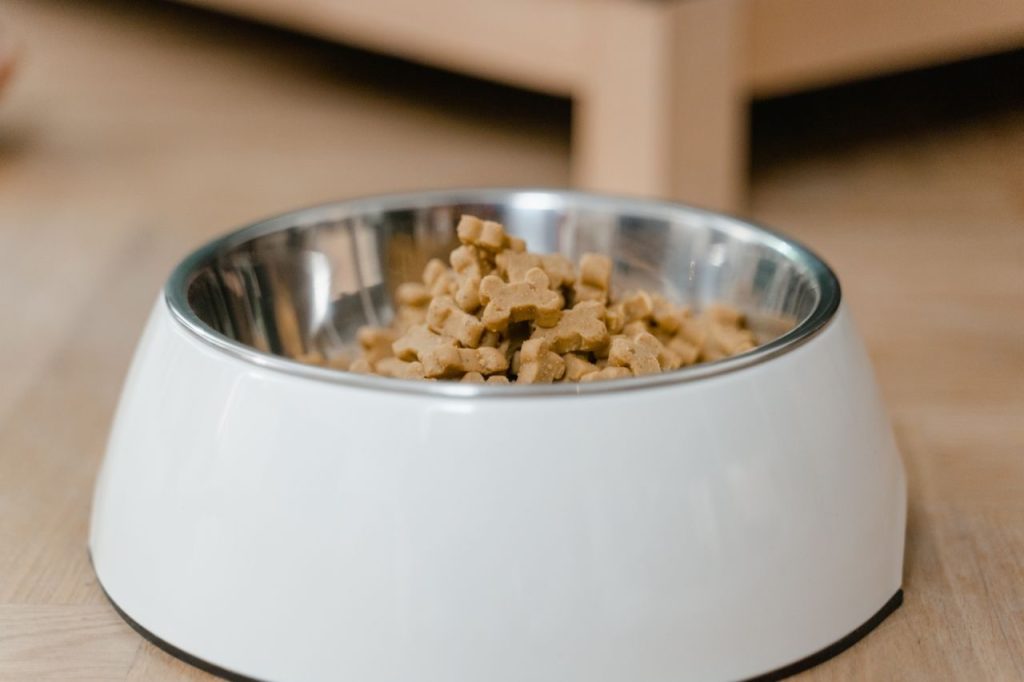
Read the storyChoose rewards through the dog’s preferences and the exercise’s practical needs, keeping food details within the existing care plan and nutrition discussion.
Read the storyDescribe a sudden behaviour change clearly for your veterinarian, with context and timing, without assuming training alone can explain or resolve it.
Read the storyMake visitor greetings optional through a prepared entrance, clear human instructions and a genuine route away, rather than repeating exposure to force sociability.
Read the storyKeep training notes clear with the cue, setting, response and next question, avoiding personality labels and repeated tests that pressure the dog.
Read the storyRespond to a growl by reducing pressure and protecting space, then seek appropriate support rather than treating the moment as a contest to win.
Read the storyObserve the dog, the surroundings and the interaction together, allowing space when uncertain instead of using one tail movement as a greeting permission.
Read the storyChoose a prospective trainer through specific questions about methods, qualifications, supervision and welfare, rather than promises of instant results.
Read the story