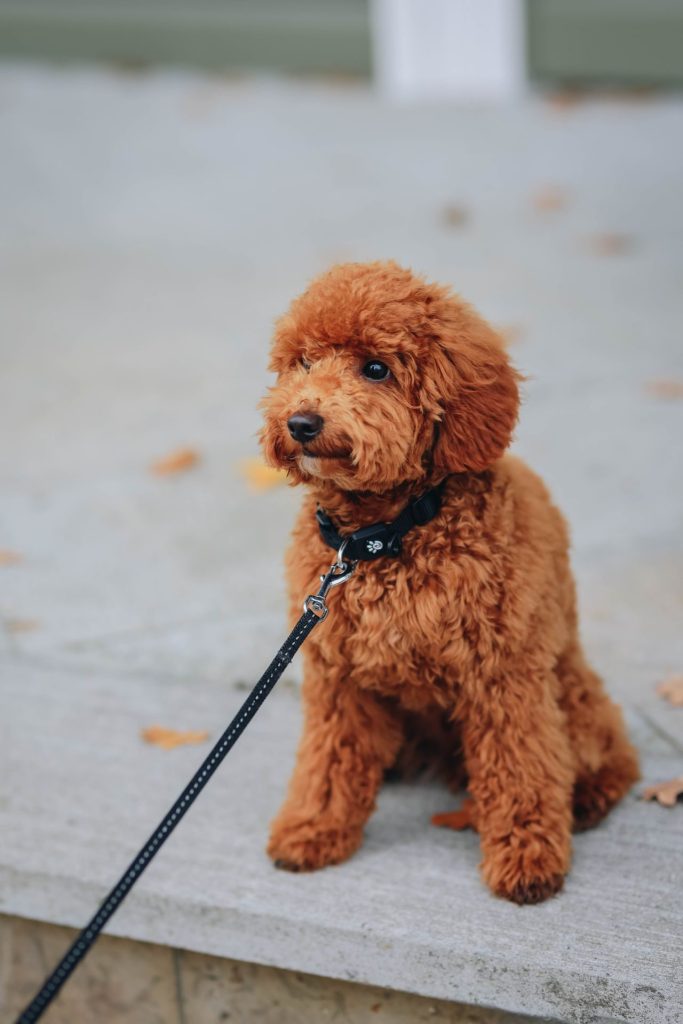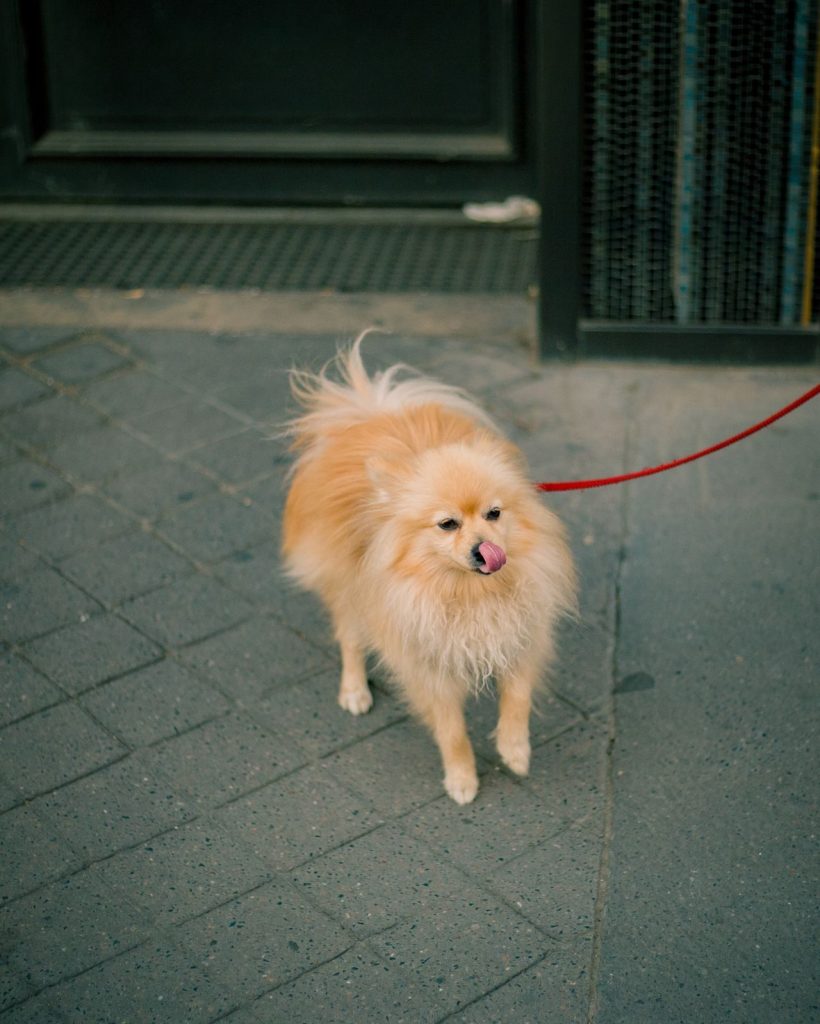
Decide whether water access belongs in the plan
A waterside trip can simply be a walk near water; it does not need to involve swimming or entering an unfamiliar edge. Decide the intended activity before choosing equipment. Consider the individual dog’s established needs and any relevant professional advice. Do not assume every dog should learn to enjoy water or that a life jacket makes an uncertain location appropriate. An outing can remain enjoyable with a route that keeps suitable distance from access points.
Check current information from the responsible local authority or land manager, including restrictions and relevant warnings. Conditions can change, so an old photograph or another owner’s story is not enough to establish today’s suitability. Avoid making legal or location-specific safety claims from a general article. The practical question is whether the present setting supports the activity you can manage responsibly, not whether the place has previously appeared on a list of attractive dog outings.
Look at the route in and out
Consider the edge, footing and ability to leave the area without difficult manoeuvres. A visually calm scene does not show every hazard or provide a guaranteed route back. Choose another location or remain away from the water when the access is uncertain. Do not encourage entry and then rely on the dog or owner finding a way out later. Equipment should not be used to justify a plan whose basic access arrangements have not been understood.
Keep human safety in the plan too. Do not provide an outing that depends on an owner entering unsafe water to retrieve a toy or demonstrate confidence. A waterside article cannot teach rescue or assess unknown conditions remotely. The sensible preparation is to avoid exposing people and animals to an uncertain situation and use appropriate local emergency help if one occurs, rather than improvising because a piece of pet equipment appears to offer reassurance.
Read the actual jacket instructions
If a life jacket is appropriate to the planned activity, identify the exact product and read its intended use, sizing, adjustment and supervision requirements. Compare the dog’s relevant measurements with the maker’s guidance rather than selecting only by breed or a photograph. Keep any limitations visible. A jacket is not a universal promise of buoyancy performance for every dog and context, and a label such as rescue handle should not be expanded into an unsupported lifting or rescue guarantee.
Inspect the item before use and keep damaged or uncertain equipment out of the ready kit until the next step is established. Follow suitable humane introduction guidance rather than forcing an unfamiliar item onto the dog in a busy location. If the fitting or use is unclear, seek qualified help or change the outing. Buying the jacket is not the same as having a complete safe plan, and the water is not the place to discover unanswered sizing questions.
Keep supervision separate from the product
Choose a responsible adult whose attention remains on the dog and the setting. Do not treat wearing equipment as permission for the owner to focus entirely on a phone, picnic or another task. Manage other people, animals and toys appropriately so the activity does not become more demanding than intended. A product may have a useful role within a plan, but it cannot supply observation, judgement or an individual response when conditions change.
Do not force entry, repeated retrieves or continued participation because the equipment was bought for the trip. Allow an appropriate route away and keep the activity within the dog’s comfortable involvement and the relevant guidance. If there is distress, sudden change or another serious concern, respond through the appropriate professional or emergency route rather than using the jacket as evidence that the situation must be manageable. An accessory cannot rule out illness, injury or an unsafe setting.
Prepare the ordinary care around the outing
Bring appropriate fresh drinking water and the other supplies required by the actual trip rather than assuming nearby water is suitable for drinking. Check weather and heat risks along with the waterside plan. Keep verified veterinary contacts accessible and avoid a travel arrangement that leaves the dog in a parked vehicle during unrelated stops. The surrounding parts of the trip still matter even when the main photograph shows only a peaceful edge and a brightly coloured jacket.
Afterwards, clean, dry and inspect equipment according to its instructions and note any practical change needed for the next trip. Keep notes about the location, equipment and conditions of that outing, and check current information again before returning rather than assuming the next trip will be identical. A responsible waterside plan keeps conditions, access, supervision and individual welfare central. Suitable equipment can support that arrangement within its limits, but it does not turn uncertain water access into an obligation or provide permission to overlook the reasons to stay away.