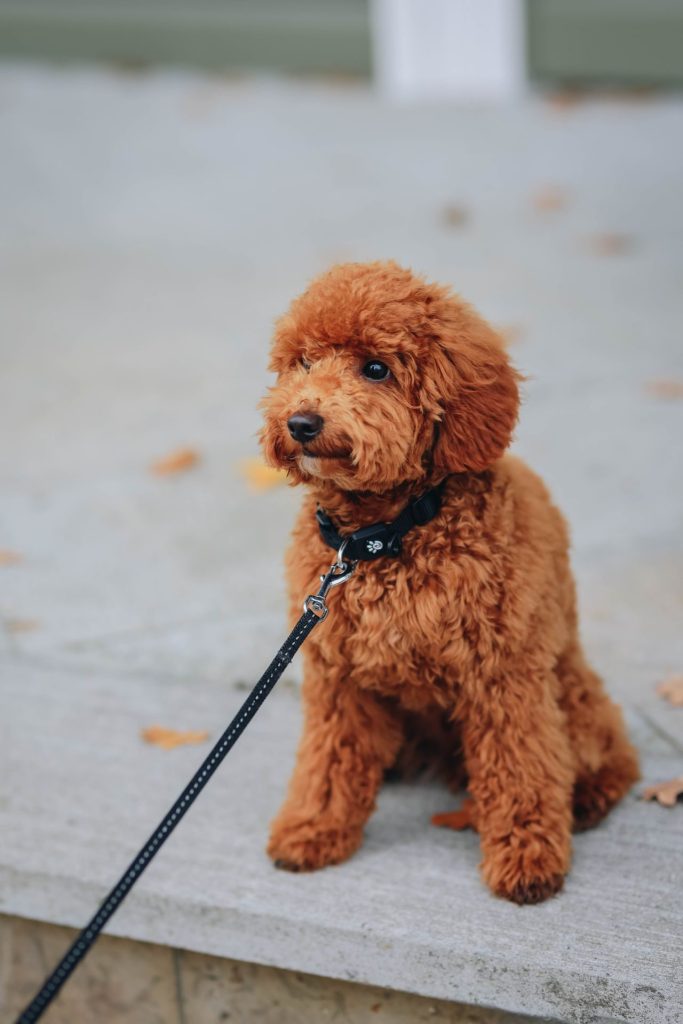
Make time for an unhurried section
If the route and individual dog’s needs allow it, choose a suitable section where you are not trying to reach the next appointment immediately. Build that flexibility into the outing before leaving. A walk squeezed between fixed deadlines can make every pause feel like a delay, even when the surrounding space is appropriate. You do not need a special distance target or a product marketed for enrichment to allow ordinary observation and exploration.
Think about the location, not only the available minutes. A narrow doorway, busy pavement or place with unknown hazards may not be an appropriate spot to pause. Choose a manageable setting and remain attentive to other users. Allowing exploration does not mean letting the dog range unpredictably across a shared path or treating passers-by, wildlife and other animals as parts of a private activity the owner has decided should take priority.
Observe what the dog chooses
Notice where the dog directs attention and how they move through the available space, without assigning a diagnosis to every pause. You can record a practical observation such as stopping near a verge rather than declaring that a particular smell treated anxiety. The RSPCA’s educational material on pet interactions recognises natural exploratory behaviours; it does not establish a guaranteed clinical result from any one sniffing routine.
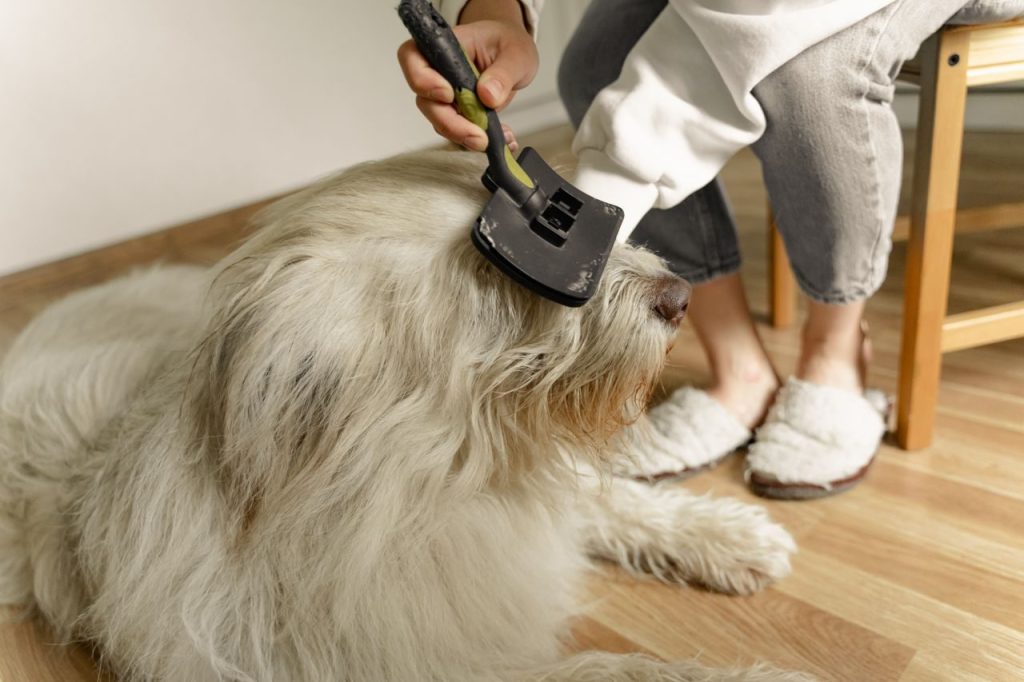
Keep participation optional and avoid moving the dog repeatedly towards a spot because you believe it should be interesting. Exploration is not a performance for a video. If the dog chooses to move on, follow an appropriate manageable plan rather than insisting a scheduled sniffing session must be completed. The point is to leave room for ordinary behaviour, not replace one set of human demands with another activity that also requires compliance.
Keep supervision active
Watch the ground and surrounding activity rather than treating a pause as time to disappear into a phone. Do not allow investigation of unknown substances or objects simply because the activity is described as natural. Follow the relevant route rules and keep an appropriate lead arrangement for the setting. A humane approach and responsible public-space use can work together without turning every moment into a command or allowing every possible form of access.
If the dog picks up something concerning or there is another urgent problem, use the appropriate veterinary route rather than a home treatment guessed from the object’s appearance. Do not force a repeated handling test to prove the dog will relinquish an item. Ongoing concerns about such situations need qualified help and appropriate management, not a claim that enough sniffing automatically prevents them or makes supervision unnecessary during the next outing.
Reduce unnecessary cue repetition
Decide which communications are actually needed for the situation instead of requesting an action every few steps. Follow any relevant individual professional plan, but do not use an ordinary walk to keep checking whether the dog can perform in every distraction. A familiar cue can still be difficult in a changed environment. More repetitions and a louder voice are not a substitute for understanding the setting or allowing appropriate distance from a concern.
Where you need to move on, use the humane approach established for your dog and the practical requirements of the route. Do not frame a pause as a contest over leadership. If the outing repeatedly becomes difficult, describe the sequence to an appropriately qualified reward-based professional. The useful question is how to make the daily walk manageable, not whether the dog has earned exploration through a perfect record of responses first.
Keep the outcome proportionate
After the walk, note whether the route and timing left useful flexibility and whether the household arrangement could improve. Do not score the number of pauses or compare your dog with a video of another animal. A quiet outing can be valuable without producing a dramatic result. If there is sudden reluctance, apparent discomfort or a marked change, seek suitable veterinary advice rather than assuming the walk merely needs a more interesting smell or a different training reward.
Sniffing time is an ordinary opportunity within a responsibly planned walk, not a universal treatment or a compulsory programme. It works best when the surroundings are appropriate, the owner is attentive and the dog has some comfortable choice. Keep those practical conditions central. That avoids turning exploration into another test while also preserving the supervision, shared-space consideration and individual care that remain necessary however relaxed the outing is intended to feel.