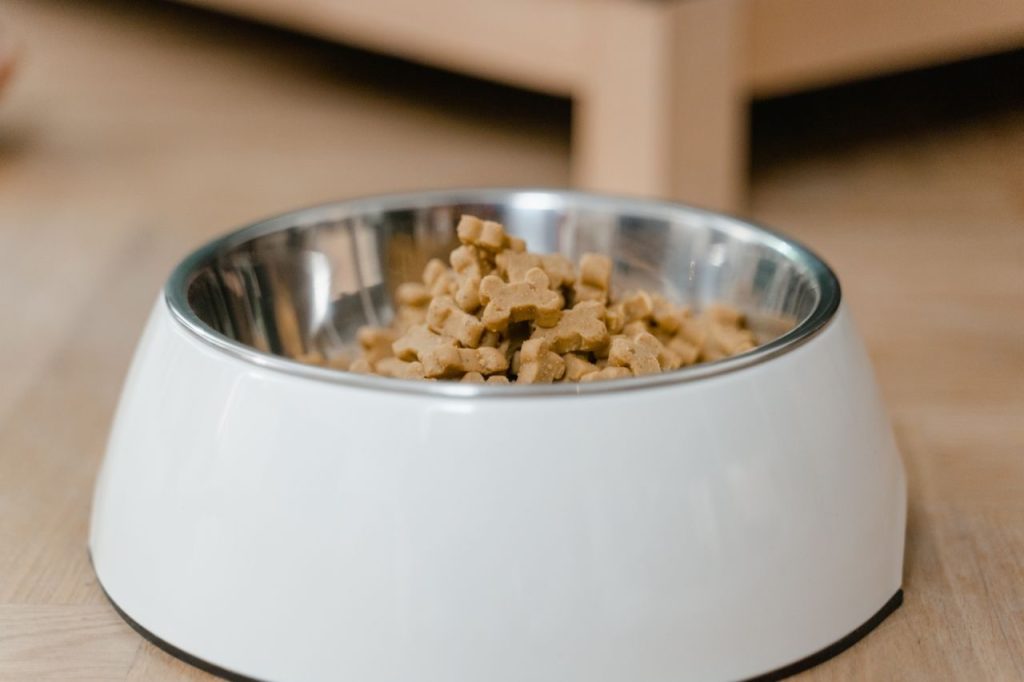
Many owners notice their dog pausing, shifting position or selecting one bowl over another during meals. These small actions can reveal useful patterns when recorded carefully. The focus stays on what the dog actually does rather than on any assumed reason. Clear records support conversations with professionals and help adjust daily routines in line with the dog’s own pace and decisions.
Accurate notes help when speaking with a vet or behaviour professional later. They also support day-to-day adjustments that respect the dog’s pace. The following sections outline frequent recording errors and straightforward ways to improve them without introducing pressure or changing the dog’s environment in ways that limit choice.
Writing only the final choice instead of the sequence
Notes that jump straight to the outcome miss the steps a dog takes before settling on a bowl. A dog may sniff one bowl, move away, return to the first, then eat from the second. Recording only the end result hides whether the preference forms quickly or after comparison. Detailed sequencing shows whether the dog consistently explores options or moves directly to one location. This level of detail becomes valuable when patterns need checking over several days or when household changes occur. Owners can keep a simple timeline by noting the first glance, any movement between bowls and the moment eating starts. Short entries remain practical even during busy periods and allow later review without guesswork about what happened in between.
Judging the quality of such notes relies on whether another person could follow the same sequence from the written record alone. If the description requires extra explanation, more observable actions should be added. The method works best when applied consistently at the same mealtimes rather than only on selected days. It remains suitable for households where one person usually manages feeding, as the sequence stays tied to that routine. A common error is adding interpretations such as hesitation or preference before the actions are listed; sticking to visible movements avoids this. Over time the habit of sequencing builds a clearer picture of how choices develop within each meal.
Changing the bowl position between observations
Moving bowls to test preferences removes the chance to observe steady choices because the dog may simply go to the usual spot. Keeping positions fixed for at least a week allows any location preference to appear without the influence of changed placement. Marking the floor lightly with removable tape helps maintain the same spots each day. This approach supports reliable comparison across multiple meals and reduces the risk of recording accidental rather than genuine selections. The practice applies when the feeding area stays stable and no furniture rearrangement interferes with access routes.
Correcting the habit begins with deciding on fixed positions and noting them once at the start of the observation period. Checking the marks before each meal prevents gradual drift. The method suits homes where the same surface is used daily and where other pets do not regularly displace items. A frequent mistake is assuming that occasional swaps will still produce useful data; even small shifts can reset the dog’s reference points. Maintaining the same layout also respects the dog’s opportunity to make repeated decisions without external rearrangement altering the outcome.
Recording only when something unusual happens
Waiting for noticeable events means ordinary patterns remain undocumented and gradual shifts go unnoticed. A dog that normally eats steadily may slow or change position on certain days, yet these changes become visible only when routine entries exist. Setting a fixed moment each day, such as right after the bowl is emptied, keeps the task brief while capturing both typical and less typical behaviour. The approach works when feeding times are predictable enough to allow a short pause for notes.
Quality improves when the daily entry includes at least three observable details regardless of whether anything stands out. This habit prevents selective memory from shaping the record. It remains practical in households with steady routines and becomes harder when schedules vary widely, in which case a shorter note still provides value. A common error is assuming that quiet meals need no record; consistent entries across all days allow later comparison when a change does appear. The practice therefore supports longer-term tracking without requiring extra time on uneventful occasions.
Using vague terms instead of observable actions
Phrases such as seemed unsure or looked happy add interpretation that cannot be checked later. Replacing them with visible details such as paused with head above bowl for several seconds or stepped back one pace before returning keeps the record factual. Concrete descriptions allow a professional to form an independent view and make it easier to notice whether the same actions repeat. The change improves clarity when notes are shared or reviewed after several weeks.
Applying this standard requires checking each entry for words that describe internal states rather than movements. Suitable entries focus on posture, distance or sequence. The method fits situations where notes may be read by others and works best when the observer stays consistent in describing only what can be seen. A frequent mistake is slipping back into summary words during hurried moments; rereading the entry immediately after writing helps catch these slips. Over repeated meals the habit of precise wording produces records that remain useful even when household conditions differ.
Omitting the surrounding household activity
Details such as who else is present, background noise or other pets passing through can influence choices yet often go unrecorded. Adding one brief line about the general scene, for example children playing nearby or quiet house, provides context for later comparison. The addition stays short yet specific enough to recreate the setting mentally when reviewing patterns. This practice proves useful when several people share feeding duties or when daily routines vary.

Judging whether context is sufficient depends on whether the note explains possible external factors without lengthy description. The method applies when the household includes variable activity levels and supports clearer discussion if professional input is sought. A common error is treating context as optional on calm days; including it consistently prevents later uncertainty about why a choice differed. Keeping entries brief yet relevant maintains practicality while strengthening the overall record.
Stopping notes once a pattern appears
Early patterns may shift when household routines change, such as during holidays or altered work schedules. Continuing the same simple format for at least four weeks after an initial pattern emerges reveals whether the preference holds or fluctuates. The extra data often confirms stability or highlights new variations tied to specific conditions. This longer view supports more accurate summaries when records are later discussed with a professional.
The approach works when feeding remains part of the daily routine and when the observer can maintain the same level of detail. A frequent mistake is assuming that once a choice is noted several times it will stay constant; external changes can alter decisions without warning. Extending the record period provides a safeguard against premature conclusions and keeps the information relevant across different household phases.
Sharing raw notes without a short summary
Handing over pages of daily entries can overwhelm discussion. A one-paragraph overview stating the most frequent choice, any consistent sequence and typical household conditions helps the reader locate main points quickly. The detailed timeline stays available if further questions arise. Preparing the summary after the observation period ends keeps it accurate and concise.
Quality of the summary depends on whether it reflects the full set of entries rather than selected examples. The method suits situations where notes are shared with a vet or behaviour professional and remains practical when the observation period has a clear end date. A common error is writing the summary before all data are collected; waiting until the period closes prevents bias toward early impressions. This final step turns raw observations into a usable reference without losing the supporting detail.
Small adjustments to how observations are gathered and written make the information more reliable over time. The dog’s actual actions stay at the centre of the record, supporting clearer conversations with those who can offer further guidance.