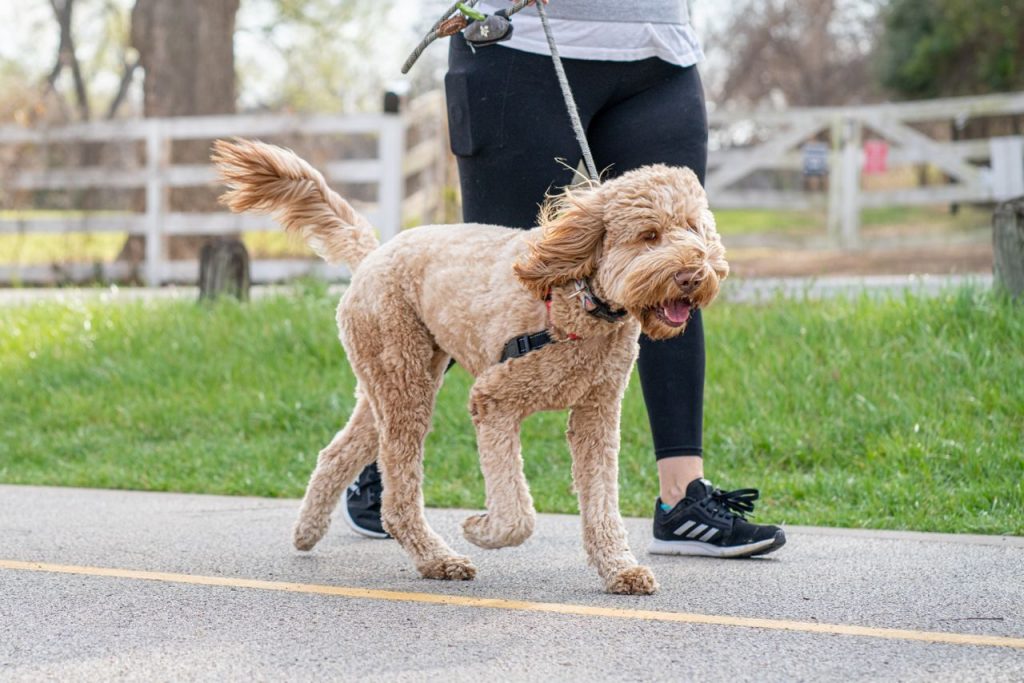
Many owners reach a point where they want to adjust how a dog moves through the home or spends time on walks. Before acting on a suggestion found online or in a book, it helps to check the source and compare it with what a vet or qualified behaviour professional knows about that individual dog.
Published material often presents general patterns rather than the detail needed for one household. Speaking directly with someone who has seen the dog allows questions about age, health history and current behaviour to be answered in context.
Identifying the origin of a claim
Start by noting where the information appears. Is it a peer-reviewed article, a manufacturer’s product page or a forum thread? Each carries different weight when the topic is daily care decisions. Manufacturer pages describe intended use for their own items and may highlight features such as material durability or size options. Forum posts reflect one person’s experience on one day and often lack details about the dog’s age or health background. Neither replaces a conversation with a professional who can ask follow-up questions about the specific dog and household layout. Checking the publication date also matters because guidance on equipment or routines can update as new research emerges. Owners benefit from separating promotional language from practical descriptions of how a change might fit different living situations.
Common mistakes include treating every online post as equally reliable or assuming a single positive comment applies broadly. Instead, look for sources that cite observable patterns across multiple dogs while still noting individual variation. When a claim appears on a product page, verify whether it refers only to the item’s design purpose rather than guaranteed outcomes for every user. This step prevents over-reliance on material that does not account for a particular dog’s preferences or physical condition. Taking time to record the exact source type before proceeding helps keep later discussions with professionals focused and efficient.
Comparing general advice to individual context
General statements about rest locations or lead lengths assume average conditions. A dog recovering from an injury or living with another animal may need different arrangements. Write down the exact change being considered, such as moving a feeding station or shortening a walk route. Then list what is already known about the dog’s preferences from direct observation over several days. This list becomes the basis for questions to a professional rather than a substitute for their input. Factors like household traffic patterns, available floor surfaces and the dog’s usual choice of resting spots provide concrete details that general advice rarely covers in full.
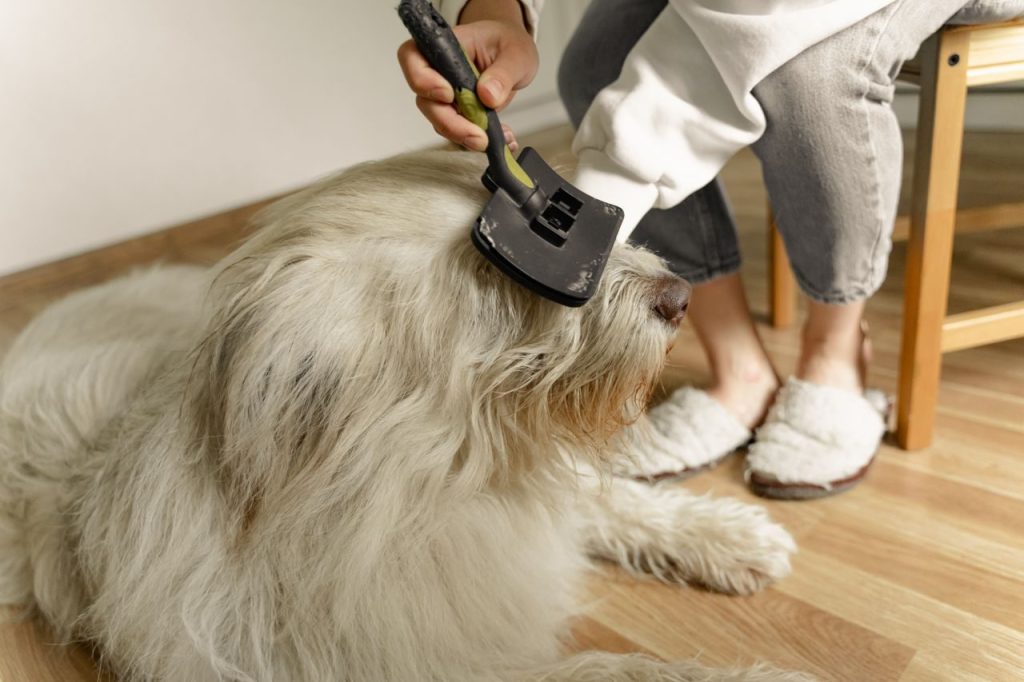
Applicable conditions include situations where the dog has shown consistent avoidance of certain areas or has recently altered its movement through the home. In these cases, general guides may suggest options that overlook mobility limits or social dynamics with other pets. A useful judgment criterion is whether the advice includes clear statements about watching for signs of discomfort during any trial period. When such statements are missing, the advice sits at the boundary of what can be applied without further professional input. Owners can avoid the error of implementing changes too quickly by first confirming whether the dog’s documented patterns align with the assumptions behind the published suggestion.
Recognising the limits of written guides
Guides frequently cover common situations but stop short of diagnosing pain or sudden behaviour shifts. Those signs belong in a veterinary conversation without delay. When a guide suggests a new household station or choice point, check whether it mentions supervision requirements or the need to watch for avoidance signals. Absence of those details signals that further professional input is useful. Many guides also assume stable health and do not address how age-related changes might affect the suitability of a proposed adjustment over time.
Boundaries appear clearly when the material offers only broad recommendations without examples of how to adapt them. For instance, advice on drying gear after walks may describe airflow needs but omit how to position items near doors in small flats. Readers can judge usefulness by noting whether the text distinguishes between reversible trials and permanent fixtures. A frequent mistake is extending a single guide’s suggestion across all household areas without testing one small element first. Recognising these limits keeps expectations realistic and directs attention toward conversations that can tailor the information to the actual dog and home.
Preparing for a professional conversation
Bring a short record of recent patterns: times of day when the dog chooses to rest, surfaces avoided on walks, or moments when the dog moves away during interactions. Keep entries factual and dated. Ask open questions such as whether the proposed change fits the dog’s current mobility or household layout. Request clarification on how to monitor the adjustment over the first week. Professionals can then indicate which elements of the published material match the dog’s documented history and which may require modification.
Effective preparation also involves listing any conflicting information found across sources. This allows the professional to address discrepancies directly rather than spending time establishing basic context. The conversation works best when owners describe observable actions instead of interpretations, for example noting that the dog consistently chooses the hallway corner rather than stating that the dog dislikes the living room. Such phrasing helps the discussion remain practical and centred on next steps that respect the dog’s established preferences.

Documenting observations to share
Use simple headings such as “Morning routine”, “Feeding area”, and “Walk surfaces”. Note what the dog does rather than interpreting why. This format makes the information easier for a professional to review quickly. Update the notes after any change so that the next conversation can compare before-and-after patterns without relying on memory alone. Consistent headings also make it simpler to spot gradual shifts that might otherwise go unnoticed during busy periods.
Judgment criteria for useful notes include specificity of time, location and duration. Vague entries such as “seemed restless” offer less value than “left the kitchen twice during food preparation and returned after ten minutes”. Owners sometimes make the error of recording only unusual events while overlooking steady baseline behaviour. Maintaining a balanced record over several weeks provides the professional with a clearer picture of normal variation and supports more precise recommendations about household adjustments.
Evaluating consistency across sources
Read two or three separate sources on the same topic, such as drying gear after walks or positioning rest spots. Note where they agree on practical points like airflow or accessibility and where they differ. Differences often arise from varying assumptions about household size or dog size. A professional can help decide which points apply to the present situation. Cross-checking also reveals whether a recommendation appears repeatedly in materials aimed at different audiences, which can indicate wider acceptance of the underlying principle.
Common errors include selecting sources that all share the same perspective, such as multiple manufacturer pages for similar products. Instead, include at least one source focused on observation methods rather than equipment. When sources conflict on a detail such as lead length for certain routes, the discrepancy itself becomes a useful discussion point with a professional. This approach prevents premature commitment to one method and keeps attention on reversible options that can be adjusted based on the dog’s responses.
Applying findings to household changes
Once sources have been checked, test one small, reversible adjustment while continuing to observe the dog’s responses. Adjust or stop based on those responses rather than on the original written suggestion. Suitable starting points include moving a water bowl a short distance or adding a mat to an existing rest area. Each trial should last only a few days so that any preference shift can be noted promptly and discussed if needed.
Applicable conditions for this step include situations where the dog has already shown flexibility in similar past changes. When the dog displays strong avoidance during the trial, the adjustment should be reversed without waiting for further episodes. Owners sometimes overlook the value of returning to the original setup as a control measure. Documenting the trial period with the same headings used earlier allows direct comparison and supports a follow-up conversation that remains grounded in observed behaviour rather than assumptions from published material.