Start with the planned context
Before comparing life jackets, identify the intended outing and whether water access is appropriate for the individual dog and present conditions. A product should not create the reason to enter an uncertain setting. Ask which tasks it is designed to support and read the limitations. An attractive watersports photograph can show a product in use, but it does not establish that every location, animal or owner can reproduce the same arrangement responsibly.
Check relevant current information from the responsible authority, land manager or provider for the actual setting. Keep restrictions and warnings specific rather than importing a statement from a different country or activity. A jacket’s presence does not answer questions about access, changing conditions or the human ability to supervise. The comparison belongs within a sensible outing plan, not at the centre of a plan that otherwise depends on equipment making uncertainty harmless.
Use the exact sizing guide
Find the model’s measurement instructions and chart, including which parts of the dog are measured and how the maker handles size boundaries. Keep the units clear. Do not substitute a breed label or the size letter from a different harness. The Ruffwear Float Coat information provides one example of product-specific fit and care details; its chart should not be treated as a universal formula for every jacket with a similar shape.
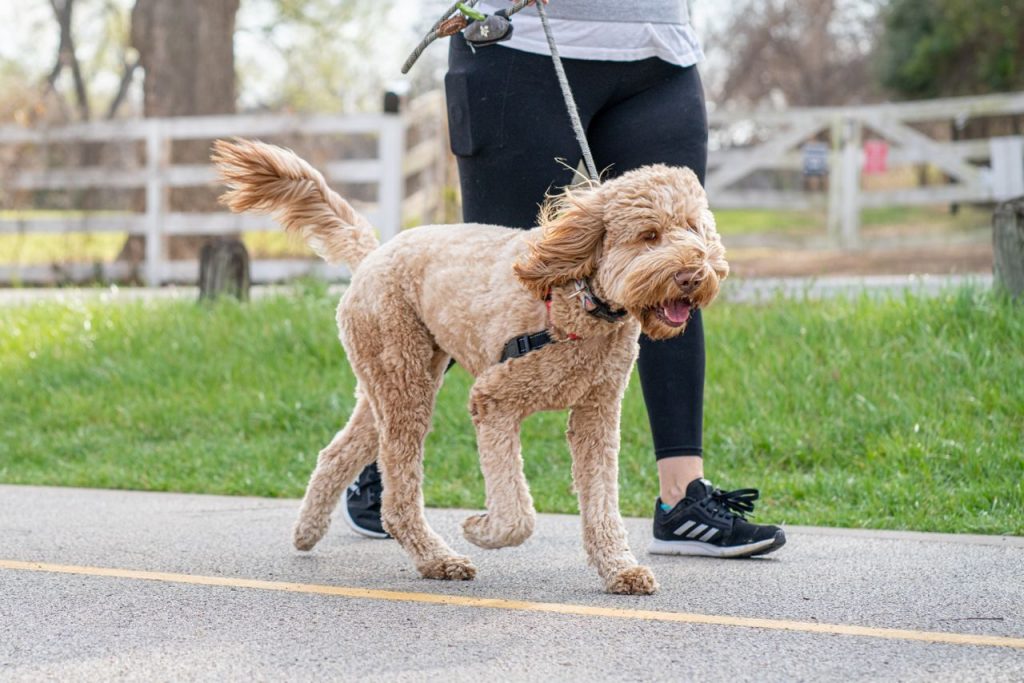
Measure in an appropriate comfortable way and seek suitable help if the process or interpretation is difficult. Record the product reference with the result so a later question addresses the right range. Do not force handling merely to complete an order. A desk-based editorial comparison can identify published dimensions, but it cannot certify a particular dog’s fit or turn an online photograph into an assurance about performance in water.
Understand fastening and handling features
Read how the product is meant to be adjusted and fastened, and which components have which intended roles. Ask the maker where a feature is unclear. A handle, attachment point or bright colour should not be expanded into a guarantee that the dog can be rescued, lifted or seen in every situation. Distinguish the feature actually described from the extra assurance a reader might be tempted to infer from its name or promotional image.
Consider how the responsible adult will use the arrangement under the instructions and manage the rest of the outing. Keep compatible equipment documented and avoid improvised modifications or substitute fittings. If the setup cannot be understood clearly, resolve that before relying on it. The water’s edge is not the place to discover an unanswered adjustment question or assume a fastening that appears closed must have been configured correctly for the individual animal.
Plan supervision and participation
Introduce unfamiliar equipment through suitable humane guidance and allow comfortable participation rather than forcing the dog into the item to justify a planned trip. The purchase does not require water entry or repeated activity. Give the dog an appropriate option to remain away and end the plan when the situation no longer fits. A jacket is not permission to push through distress or treat a withdrawal as a training challenge the owner must win.
Keep a responsible adult’s attention on the dog and setting throughout the activity. Do not replace supervision with a product claim or rely on a jacket while attention is absorbed by photography, a phone or another task. Plan a safe appropriate route away without supplying an improvised swimming or rescue tutorial. If an emergency occurs, use the relevant professional or emergency route rather than assuming an accessory means the owner can safely improvise a response.
Compare care and limitations openly
Check the inspection, washing, drying and storage instructions and how the maker addresses damage or replacement. Keep the exact reference available, particularly for second-hand equipment or several similar household items. Compare the exact sizing chart, fastening directions and intended water context, then ask the maker about any unanswered question before the outing. Keep supervision and the current conditions central even when the equipment fits its documented purpose. Clear limits make the comparison more useful, because they tell the reader what remains a question for the product maker and individual plan.
A suitable comparison can end with a different outing or no jacket purchase where the planned activity is inappropriate. Where equipment has a clear role, select through documented intended use, fit, fastening and manageable care. Keep water conditions, access and supervision central. The value of reading specifications is that it reduces guesswork about the object, not that it turns the object into a promise that every dog and waterside setting can be managed safely through the same purchase.