Identify the kind of product
Before offering a treat or chew, read what it is intended to be and how the maker says it should be used. Keep the exact product name and instructions, not only the front-of-packet description. A food reward, edible chew and non-food object can have different roles and handling requirements. Similar shapes or a shared display in the shop do not make them interchangeable items that can be offered under one general household rule.
Check the maker’s size, age or other stated suitability guidance and consider any existing individual veterinary advice. Do not select solely by a breed image on the packaging or assume an animal of similar appearance has the same needs. If the intended use remains unclear, ask before offering it. A product being sold for dogs does not establish that every dog can use it appropriately in every household situation without attention.
Read claims in plain language
Words such as natural, long-lasting or tough do not guarantee that a product cannot break, be swallowed or create another problem. Ask what the claim actually describes and distinguish it from a promise of safety. Do not turn a retail phrase into an assurance that supervision is unnecessary. Likewise, a suggestion about teeth on a package should not become an owner-written claim that a chew replaces the individual dental care advice given by a veterinarian.

Preserve the product reference so questions can be directed to the right source. Avoid comparing anonymous items from different sellers as though appearance establishes the same material or construction. If information about ingredients or material is missing, leave the uncertainty visible rather than making a confident guess from colour or texture. Clear information is a more useful starting point than enthusiasm for a product another dog appeared to enjoy in a video.
Choose the time and place
Offer an appropriate item in a setting where a responsible adult can observe and where the dog has suitable space. Do not introduce it in the middle of a crowded visitor interaction or use it to persuade the dog to tolerate unwanted handling. Keep children and other animals managed appropriately, with supervision and separation as needed. A quiet setup reduces competing activity without implying that the item itself prevents conflict or makes an uncertain interaction safe.
Have a plan consistent with humane guidance if the situation becomes concerning. Do not provoke a response by repeatedly taking an item to test whether the dog will allow it. A growl or another concern is not a challenge to win. Seek qualified support where needed rather than using the chew session as an informal behaviour assessment. The purpose of choosing a product is an appropriate ordinary activity, not creating another forced demonstration.

Watch use and condition
Follow the instructions for supervision, inspection and removing an item from use when appropriate. Active observation means noticing what is happening, not merely being somewhere in the home while occupied with another task. Do not declare an item indestructible because it remained intact during one previous session. Condition can change, and the practical plan should account for that without relying on a product photograph or another owner’s rating as a guarantee.
If a serious current concern arises, contact the veterinarian promptly rather than trying a home removal technique, inducing vomiting or waiting for a predicted effect from an online story. Keep packaging available where useful, but do not delay urgent help to locate it. A product guide can support preparation and clear reporting; it cannot assess an individual emergency or supply a treatment protocol for something that may have been swallowed.
Include edible items in the food picture
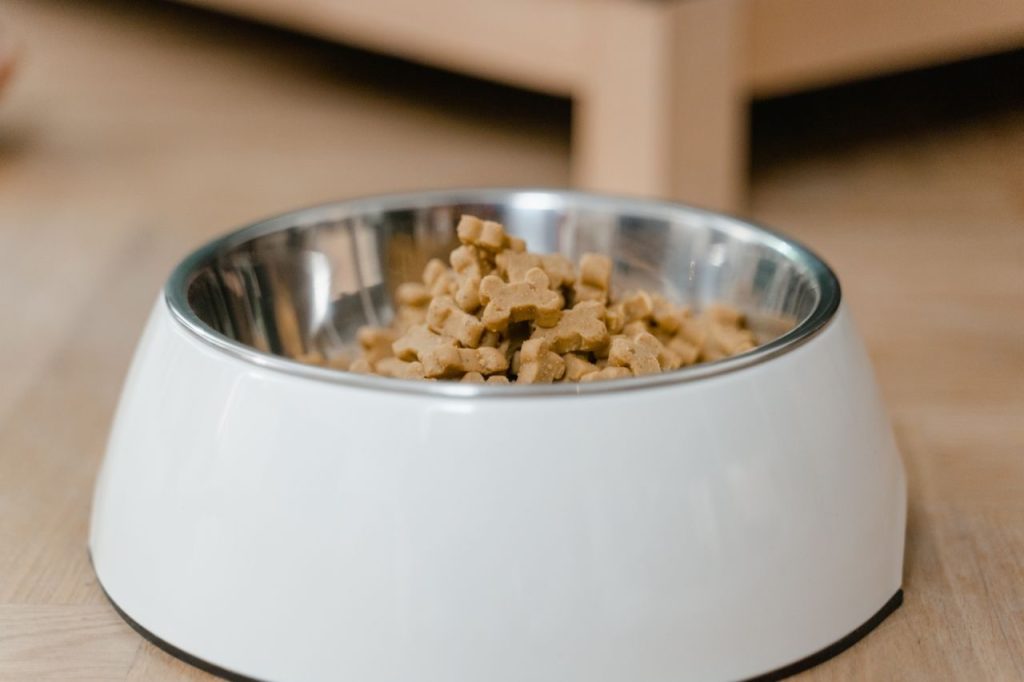
Record edible treats and chews with the rest of the diet information, especially when several caregivers offer them. Use actual product names and honest quantities rather than a vague note that only a small extra was given. Bring the information to the relevant veterinary nutrition conversation without deriving a new portion or feeding restriction independently. The wider routine matters more than treating each packet as a separate harmless exception that never needs to be counted.
Store products under their instructions and keep them secured between uses. Review suitability when the dog’s situation or care advice changes. A sensible choice combines clear intended use, appropriate information, a manageable setting and real supervision. It does not depend on a promise that natural means universally safe, that a chew suits every dog for the same duration or that a single accessory can replace the broader care and observation the individual animal needs.