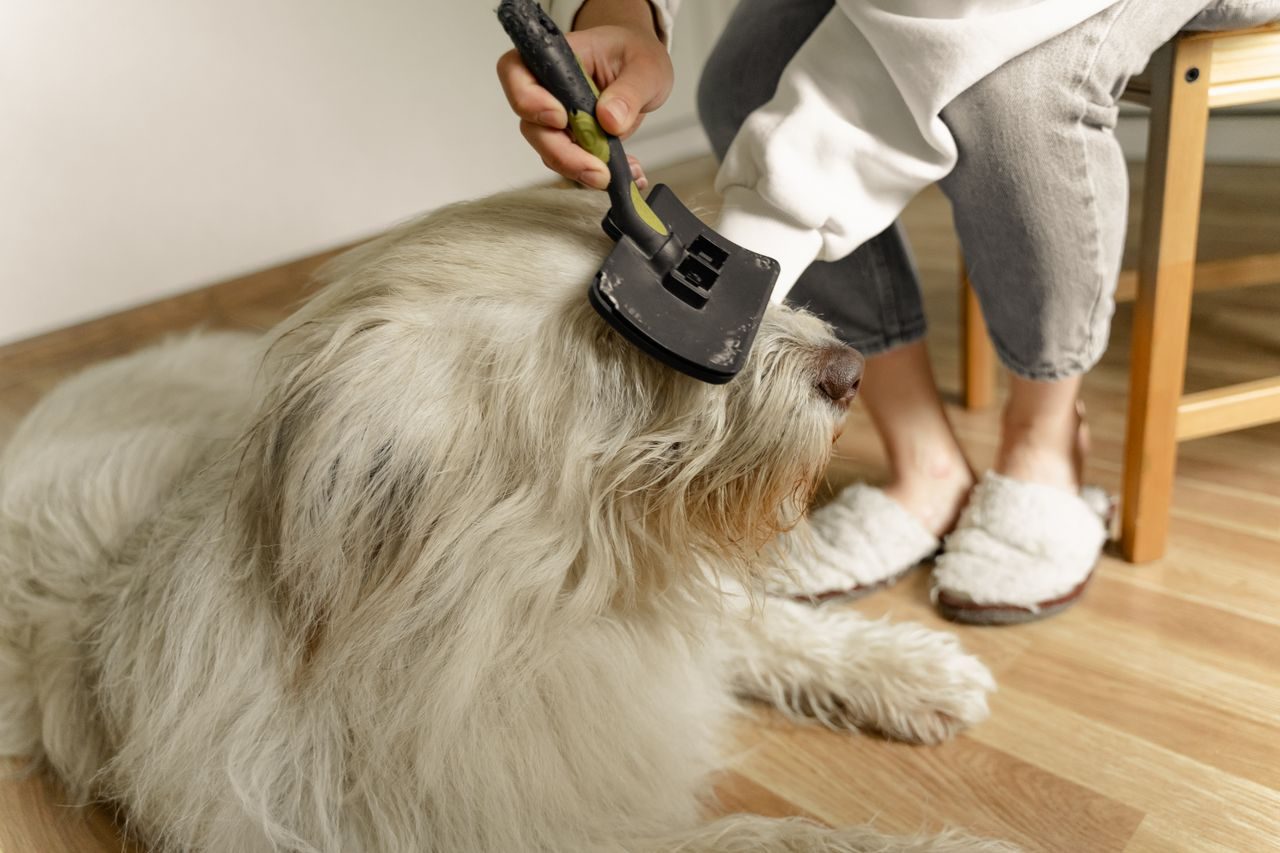
Describe what the equipment does
Before buying a training product, ask the seller to explain its actual mechanism in plain language. What happens to the dog when it is used, who controls it and what is the animal expected to do? A label such as gentle, natural or professional does not answer those questions. Keep the mechanism separate from the marketing promise so a device’s appearance or popularity does not conceal the experience its use creates.
Reject pain and coercion as shortcuts
Do not choose shock, choke, prong or other coercive tools because a retailer describes them with a reassuring name. The BSAVA statement on aversive methods explains welfare concerns with punishment-based approaches. A claim that equipment produces a rapid quiet response is not proof that the underlying situation is comfortable or resolved. The learning plan should be humane, not dependent on making the cost of a response unpleasant enough that the dog stops expressing it.
Ask which problem needs assessment
Describe the actual concern to a suitably qualified reward-based professional before treating it as an equipment gap. A new strong response, severe distress or possible pain may require veterinary or specialist input rather than a shopping recommendation. No accessory can establish the cause from a short online description. The useful first question is what assessment and management fit the situation, not which product can be delivered fastest with the strongest guarantee.

Read instructions for ordinary equipment
For an appropriate everyday item, examine the intended use, sizing information, fitting guidance and supervision requirements. Confirm that the product is suitable for the planned activity and the individual situation. A manufacturer label does not remove the need to check condition or use it as directed. Avoid treating a harness, barrier or other ordinary item as a guarantee against harm or a treatment for behaviour simply because the listing places it in a training category.
Separate specifications from testimonials
Compare published dimensions, materials and intended use rather than invented ratings or dramatic before-and-after stories. A testimonial may describe another animal and setting, but it cannot establish what will happen in your case. Do not assume a product has veterinary endorsement because a photograph shows a person in clinical-looking clothes. If an endorsement or qualification matters to the purchase, verify the specific claim through an appropriate primary source rather than relying on visual suggestion.
Make the household plan understandable
Ask the professional how suitable equipment fits the wider routine, who should use it and what to do if there is uncertainty. Keep instructions accessible to the responsible adults. Children should not be assigned to manage risky behaviour using a device because the packaging suggests control is easy. The practical plan must account for the people and setting, not merely the existence of an accessory that everyone assumes someone else knows how to fit and use.

Check fit without creating pressure
Follow the appropriate introduction and fitting guidance rather than restraining the dog to prove the product can be put on quickly. If the process causes concern or the intended arrangement is unclear, seek suitable help. Do not turn an initial difficulty into a contest of persistence. A correctly chosen piece of ordinary equipment should sit within a humane plan that respects welfare, rather than becoming another unfamiliar demand imposed to make the rest of the training appear easier.
Keep maintenance visible
Inspect and store equipment according to its instructions, with damaged or uncertain pieces separated from ready-to-use items. Record the product reference so replacement components or care questions can be checked accurately. Do not improvise attachments because they look compatible or continue using an item whose condition is unclear simply because it has been reliable before. The practical value of a product includes a manageable care routine, not only its appearance when new in the retailer’s photograph.
Question the guarantee
Treat promises of instant correction or success for every dog as reasons to ask more questions. Individual behaviour and welfare cannot be assessed through a universal sales claim. Request a clear description of the plan, its limits and the provider’s competence. A responsible answer can explain when another professional is needed, while an insistence that every concern disappears if the equipment is used firmly enough should not be accepted as evidence of expertise.
Buy only a clear appropriate function
An equipment purchase should have a documented ordinary role within the humane plan, with understandable instructions and no hidden pain-based mechanism. If that role remains vague, pause the purchase and resolve the underlying question. Suitable tools can support daily management, but they are not a substitute for assessment, supervision or welfare-focused learning. Choosing through mechanism and intended use is more informative than trusting a product name that promises a gentler shortcut without explaining what actually happens to the dog.