Notice what is different
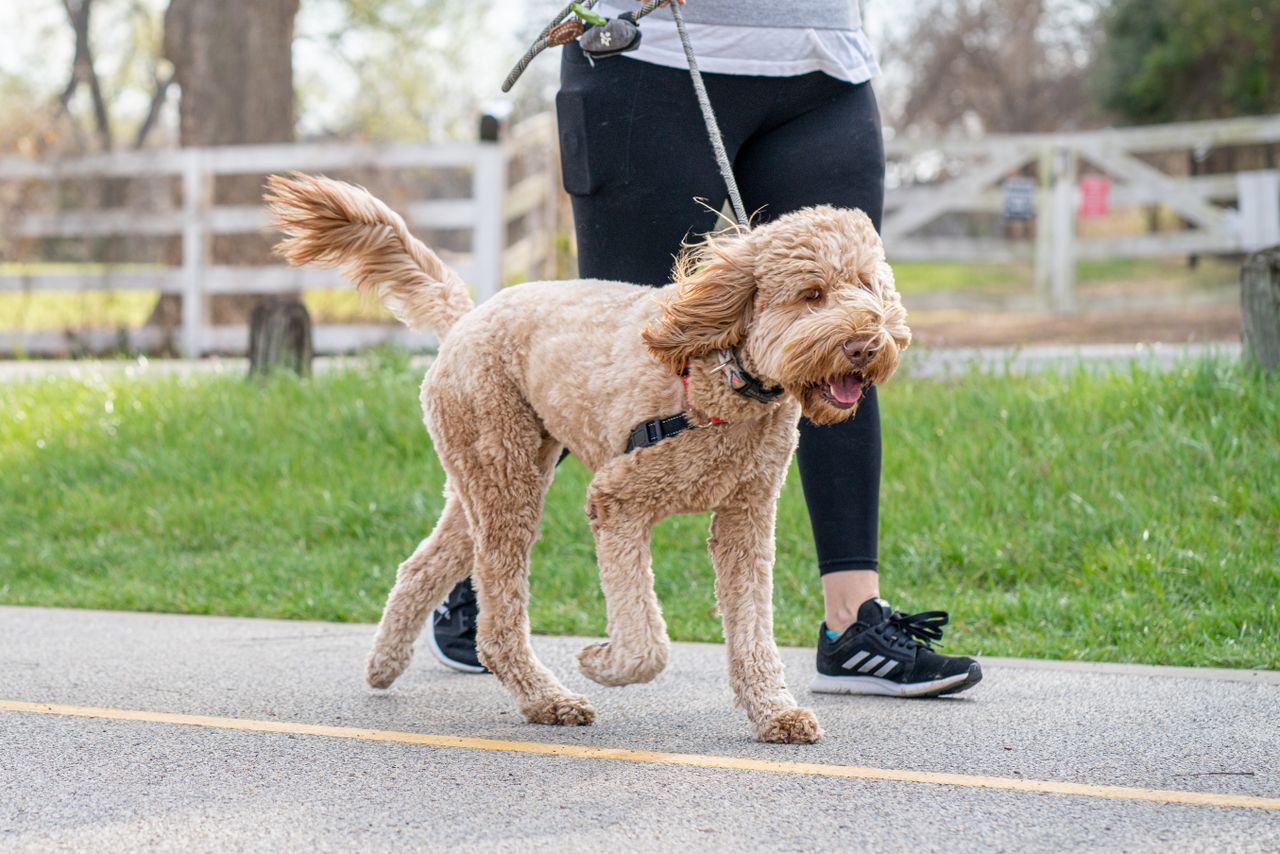
A sudden change deserves a factual description before a label. Write what the dog is doing differently from their familiar routine, when it was first noticed and what happened around that moment. Avoid deciding that they have become stubborn or are testing authority. A changed response can have several possible explanations, and a household theory should not replace an appropriate veterinary conversation about the actual animal and current situation.
Check the immediate contact need
If serious current signs are present, contact a veterinarian promptly through your verified local route rather than waiting to complete a detailed account. The AAHA emergency guidance includes sudden marked changes among concerns that can warrant assessment and identifies other urgent signs. A planned routine appointment or training class is not an automatic reason to postpone a new concern while you see whether another episode occurs.
Record the sequence you observed
For the professional conversation, describe what happened before, during and after the change. Identify who was present and whether the observation is yours or someone else’s. Approximate timing is acceptable when that is all you know. Do not invent a precise duration or recreate the event to improve the record. A concise honest description helps the practice decide which questions to ask next without treating a repeat exposure as necessary evidence.
Include relevant household context
Note changes such as a new routine, visitor or unusual noise, but keep them as context rather than a confirmed cause. The fact that a change happened on moving day does not establish that the move explains everything. Likewise, a response in a familiar room does not rule out discomfort or another issue. Keep environmental observations alongside, not instead of, the question you are bringing to the veterinarian.
Prepare existing care information
Have current food, medicines and relevant professional instructions available, with exact product details where useful. Mention any recent change accurately rather than summarising the diet as normal or healthy. If several people provide care, check the factual record so an extra meal, unfamiliar item or missed communication is not overlooked. Do not alter a medicine or start a treatment experiment to see whether the behaviour returns to normal before the appointment.
Avoid provoking a demonstration
Do not repeatedly touch a sensitive area, remove an object or arrange another encounter to confirm that the response still happens. A naturally occurring recording may help if it can be made safely without delaying care, but evidence gathering should not pressure the dog. Tell the professional when a concern cannot be reproduced safely. An appropriate assessment does not depend on an owner creating another distressing event at home so the description sounds more convincing.
Make the waiting arrangement practical
While following veterinary advice about the next step, reduce unnecessary demands and manage the household to avoid repeating concerning interactions. Preserve appropriate care, rest and supervision. Do not interpret a general suggestion to allow space as a complete treatment plan or permission for unsuitable isolation. If management feels unsafe or unclear, ask promptly for guidance rather than building a more restrictive improvised system around a cause that has not been established.
Keep training in its proper role
A trainer or qualified behaviour professional may be part of an agreed plan, but training does not establish that pain or illness is absent. Share relevant veterinary advice and ask how the professionals coordinate where needed. Avoid services promising to fix every sudden problem through obedience or force. The practical question is which assessment and support fit the situation, not whether the owner can make the changed response disappear through a more demanding household exercise.
Clarify the next contact
During the veterinary conversation, ask what information to monitor, what action is needed now and which signs should prompt another call. Write the answer in plain language and share relevant instructions with the responsible adults. Keep older plans separate if they have been replaced. This makes the professional advice usable in daily life and avoids leaving another caregiver to infer urgency from a vague message that the dog is being watched for a while.
Use notes to communicate, not reassure
A factual record can support follow-up, but it cannot prove a concern is harmless because a chart looks stable or one later moment seemed familiar. Follow the agreed veterinary plan and seek further advice when the instructed circumstances arise. Taking a sudden change seriously means describing it accurately, avoiding provocation and getting the appropriate help. It does not require an online diagnosis or an assumption that every new response is a training challenge waiting for the correct cue.