Choose one question for the note
A useful training note begins with a specific question, such as whether a familiar cue was understood in a quieter setting or which part of an exercise needs explanation from the trainer. Do not attempt to document the dog’s entire personality. A short clear purpose makes the entry easier to use and reduces the temptation to assign a daily success score without preserving the details that would explain what actually happened.
Record the setting first
Write where the interaction occurred, who was present and which relevant distractions were visible. Include changes from the ordinary arrangement, such as a different room or a visitor arriving. Keep these as context rather than a diagnosis of why the response occurred. A note that says the door opened while the cue was given is more useful than an unsupported conclusion that the dog deliberately ignored a person to make a point.
Use the actual cue description
Record the words or visual signal being used and whether different household members used the same arrangement. This can reveal a communication question before anyone blames the dog. Avoid changing several signals during one brief interaction and then recording only that the exercise failed. If you are following a professional plan, use its terminology and ask for clarification where needed rather than inventing a new procedure because the current instruction was unclear.
Describe the response
Write observable actions in ordinary language. The dog moved away, looked towards the doorway or remained on the mat gives more information than stubborn, spiteful or dominant. You do not need an online body-language diagnosis to make a factual note. If you are uncertain what you saw, leave that uncertainty visible. An honest limited description helps a trainer ask follow-up questions, whereas a confident label can obscure the sequence and the environmental context.
Keep rewards and timing factual
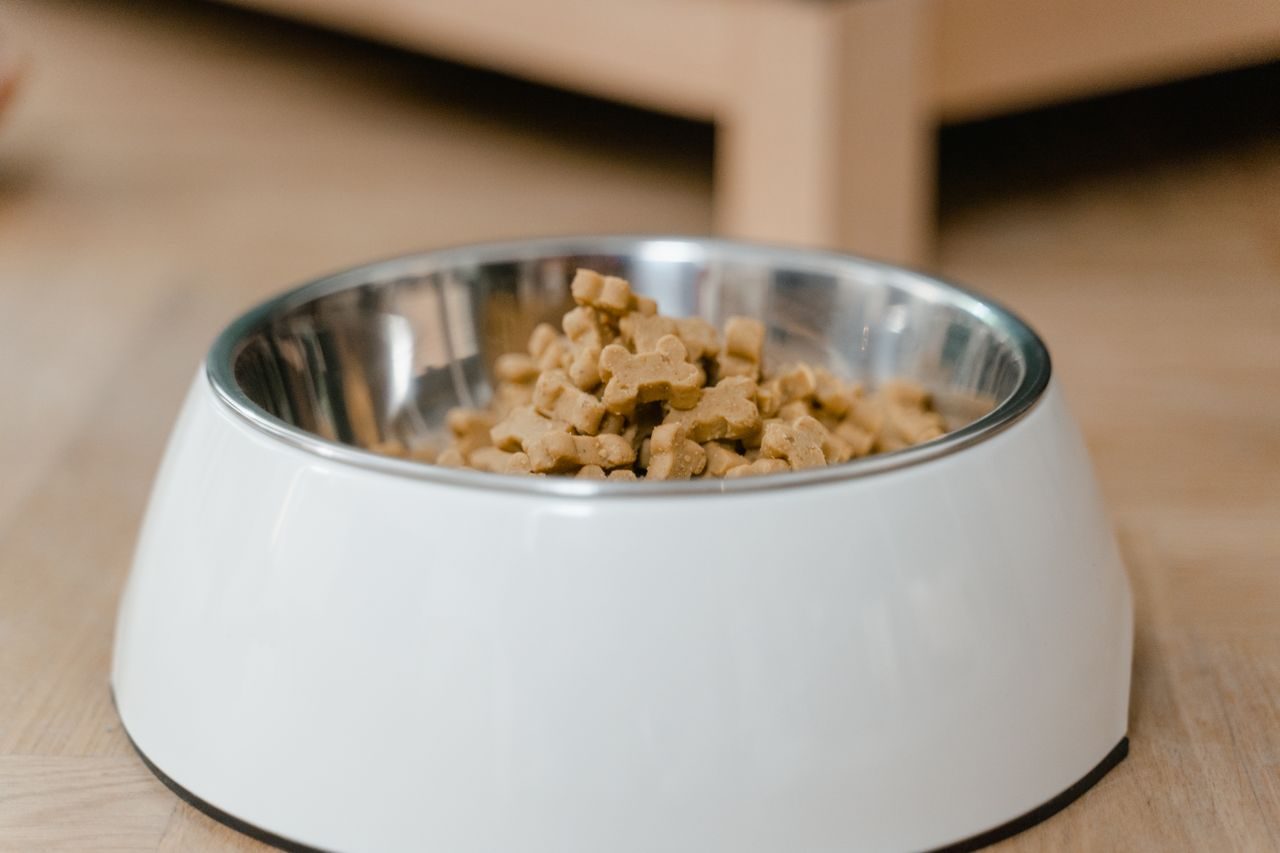
If a reward was part of the agreed exercise, note what was offered and at which point. Do not turn the record into a new feeding plan or a claim that one reward always works for every dog. The practical purpose is to describe the interaction clearly enough to discuss it. Keep food details consistent with the existing care plan, and bring nutritional questions to the appropriate veterinary conversation rather than solving them through the training diary.
End the entry without retesting
A note does not need a second attempt to make the account complete. Do not repeat an interaction that caused concern simply to obtain a clearer video or prove a theory. Allow appropriate rest and choice within the humane plan. If the dog stops participating, record that fact and ask about the next step where needed. The diary should support welfare-focused learning, not create pressure to produce a successful ending for every entry.
Keep questions separate from conclusions
Use a final line for what you want to ask. It might concern the cue, the setting or the exercise’s suitability rather than the dog’s supposed motivation. This preserves the distinction between observation and interpretation. A professional can then discuss the actual uncertainty instead of spending the consultation unpicking a home diagnosis that has become more elaborate each time the story was retold to another household member.
Coordinate the household version
If several adults participate, use one accessible record or a consistent simple format. Record who observed the event rather than combining second-hand impressions into a single factual-sounding account. Keep current professional instructions alongside the notes and remove obsolete versions from ordinary use. Children should not be assigned to manage risky behaviour or collect evidence through unsupervised practice merely because the household has agreed to keep a shared training record.
Escalate concerns appropriately
A sudden behaviour change, apparent pain or severe distress needs appropriate veterinary or qualified behaviour advice, not a longer period of collecting entries. Serious current signs warrant prompt contact through the verified veterinary route. Do not let the format of a planned weekly review delay help. The notes are useful background information, but they do not establish that a medical concern is absent or replace an individual assessment of the situation causing concern.
Review for one practical next step
When discussing the record with the trainer, select the entries relevant to the question rather than presenting a large unexplained archive. Agree what to change and what to continue under the professional plan. A useful diary connects a cue, setting and response with a clear question. It stays modest enough to maintain and factual enough to inform a conversation, without turning everyday interaction into a judgement about character or a demand that every session produce measurable progress.