Choosing between an elevated feeder and a standard floor bowl starts with the surfaces already present in the home and the dog’s usual posture during meals. Floor bowls sit directly on the existing flooring, while elevated units raise the dish to a fixed height above it. The decision rests on how each option aligns with the feeding spot chosen each day and the practical constraints of movement around the house. Owners often begin by listing the rooms where meals occur and noting whether those floors are hard, carpeted or tiled, because these details influence both stability and cleaning routines. The comparison then moves to published specifications for height, base width and material durability so that the chosen setup matches the available space without creating new obstacles.
Both setups require the same basic checks before first use: stability on the chosen surface and enough clearance for the dog to approach without obstruction. Manufacturers publish height ranges and base dimensions for elevated models; these figures help match the unit to the room layout. Floor bowls, by contrast, offer immediate flexibility because they can be repositioned without tools or assembly. The key is to record the dog’s approach behaviour over several meals rather than assuming one format will suit every household arrangement. This record forms a simple baseline that later helps decide whether a change is worth making.
Space and surface considerations
Floor bowls need only a flat, wipeable area and can be moved between rooms without tools. Elevated feeders occupy a fixed footprint and often include non-slip feet or rubber pads that work best on hard floors rather than carpet. Measure the available floor space first so the base does not block walkways or door thresholds. In smaller kitchens a narrow elevated frame may leave more usable floor area than a wide ceramic bowl placed directly on the tiles. On carpet, an elevated unit with a broad, stable base prevents the frame from sinking or tilting when the dog leans forward. Test any chosen spot by leaving the empty feeder or bowl in position for a full day and observing whether household traffic disturbs it or forces awkward detours.
Placement near a wall can reduce tipping risk for both types, yet elevated units may need extra clearance behind them for the supporting frame. In homes with underfloor heating or frequent spills, the material of the floor itself becomes relevant: ceramic tiles clean easily but can make metal bowls slide, while sealed wood may show water rings from floor-level bowls. Owners therefore compare the daily cleaning time required by each option against the surfaces already installed. If the feeding area also serves as a walkway, a low-profile floor bowl may be preferable because it can be shifted aside quickly. Conversely, an elevated feeder with a compact base works better in a dedicated corner where the frame stays in place permanently.
Stability and tipping checks
Look for published base width and weight capacity on product specifications. A wider base on an elevated feeder reduces movement when the dog eats; a heavy ceramic floor bowl achieves similar stability through mass alone. Rock the unit gently after assembly to confirm it does not shift on the surface in use. If the floor slopes even slightly, an adjustable-leg elevated model can be levelled, whereas a floor bowl will tilt and may cause food or water to spill toward one side. Check the feet or pads for wear each week, because flattened rubber loses its grip and increases the chance of the whole unit sliding when nudged.
Common errors include assuming that a tall frame is automatically stable or that a heavy bowl cannot tip. In practice, a narrow elevated base on a smooth floor can still move when the dog pushes against it during enthusiastic eating. Floor bowls placed on rugs may catch the edge and tip when the rug shifts. The practical test is to fill both the food and water containers, then apply light pressure from different angles while watching for any lift or slide. Repeat the check after the dog has eaten once, because moisture or crumbs under the base can alter friction. Only after these repeated checks does the setup move from trial to regular use.
Material and cleaning instructions
Stainless-steel bowls supplied with elevated frames are usually dishwasher-safe; follow the frame manufacturer’s guidance on whether the frame itself can be wiped or requires hand cleaning. Ceramic floor bowls often carry the same dishwasher instruction yet may need separate hand washing if the glaze shows wear or if the bowl is too large for the machine. Plastic components on either setup should be inspected for scratches that retain food residue. Replace any part showing deep scoring rather than attempting to restore the surface, because bacteria can lodge in those marks even after washing. Keep spare bowls on hand so one set can be cleaned while the other remains in position.
Daily maintenance differs by material. Stainless steel resists staining and odour, so a quick rinse often suffices between meals. Ceramic can develop hairline cracks over time that trap moisture; owners therefore examine the rim and base each week under good light. Elevated frames with powder-coated metal require only a damp cloth, but any chipped coating should be noted because exposed metal may rust in damp kitchens. A simple checklist kept near the feeding area helps track these inspections without relying on memory. When a part shows damage, the original model number or packaging label allows quick sourcing of replacements that match the existing dimensions.
Observing posture during meals
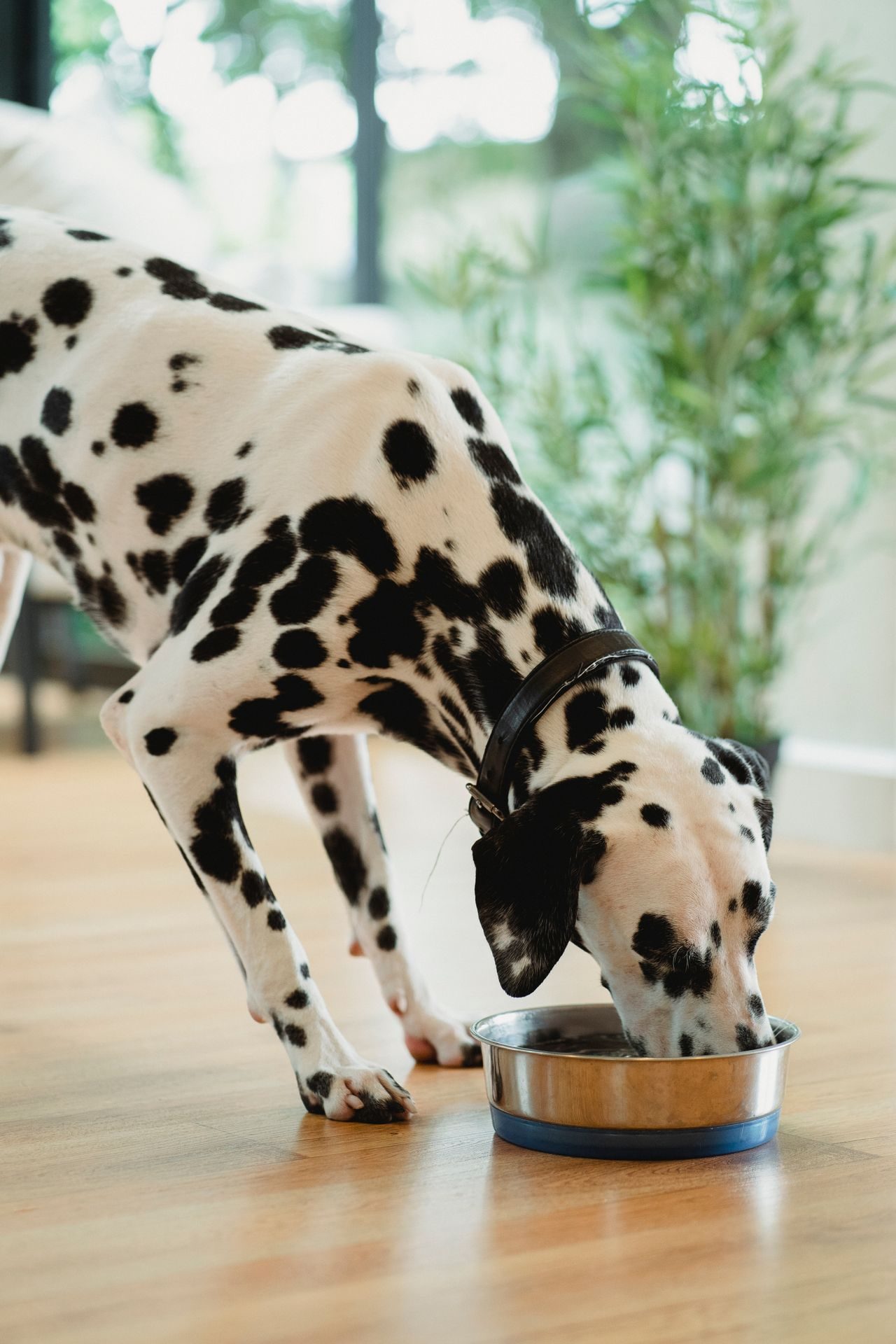
Watch how the dog lowers its head to reach the food or water. Some dogs maintain a steady stance with an elevated bowl; others shift weight more when using a floor bowl. Record only what occurs on three separate occasions rather than drawing conclusions from a single meal. Note the time taken to finish eating, the position of the front legs relative to the bowl, and any repeated lifting of the head between bites. These observations remain useful only when collected under consistent conditions, such as the same time of day and the same food type.
Changes in approach speed or head position after the setup has been in place for several days can indicate whether the height continues to suit the individual dog. If a previously steady eater begins to pace or stretch awkwardly, the current height or placement may no longer match the dog’s size or comfort. Adjust placement or swap bowl types only after noting consistent patterns across multiple days. The record should stay private and factual, listing exact behaviours rather than interpretations, so that any later discussion with a professional rests on clear evidence rather than assumptions.
Storage and spare parts
Keep the original packaging or a note of the model number so replacement bowls or leg extensions can be ordered later. Floor bowls stored away from the feeding area should be kept dry to prevent odour. Elevated frames that disassemble benefit from labelled bags for screws and rubber feet. Store these small parts together with the instruction leaflet so that reassembly does not require searching through general household tools. A dedicated drawer or box near the feeding station reduces the chance of losing components between uses.
Check the frame joints and bowl rims monthly for wear. Tighten any loose fixings according to the supplied instructions and replace rubber pads when they flatten. These steps keep both types of setup functional without altering the feeding routine. When moving house or rearranging rooms, the stored parts allow the same feeder to be reassembled in the new layout without purchasing duplicates. Owners who travel with their dogs sometimes keep a second, collapsible floor bowl in the car; comparing its material and size against the home setup prevents last-minute substitutions that might upset an established routine.
Introducing a change gradually
Swap from one setup to the other by placing the new option beside the existing one for several meals. Allow the dog to investigate without guidance. Once the dog consistently uses the new position, remove the old setup and continue observation for another week. If the dog returns to the previous location, restore it and reassess the surface or height rather than persisting with the change. The goal remains alignment with the dog’s established preferences rather than enforcing a single format.
During the transition period, keep mealtimes at the usual time and location so that only the equipment changes. Avoid moving the feeding spot at the same time, because two variables make it harder to identify which factor affects the dog’s behaviour. After the new setup has been in sole use for ten days, repeat the posture observations made earlier and compare the two records. Any sustained difference in approach or finishing time supplies concrete information for deciding whether the elevated or floor-level option better suits the household in the longer term.