Dogs often show preferences through small actions like choosing where to lie down or how they approach their bowl. Setting up choice points means arranging household spaces so these preferences can be expressed without pressure from foot traffic, sudden changes or limited access. Observation over several ordinary days reveals whether the current layout supports those choices or unintentionally restricts them.
Common errors arise when owners overlook daily flows or introduce changes too quickly. Correcting them starts with careful watching over several days rather than quick fixes. The sections below examine frequent oversights in household routines and outline clear steps to adjust them while keeping the focus on the dog’s actual responses.
Overlooking existing traffic patterns
Placing a resting mat in a corridor that family members cross repeatedly removes the chance for the dog to settle undisturbed. Watch the flow of people for a few days and note the busiest times before choosing a quieter corner. Track exact periods when doors open, children move between rooms or deliveries arrive so the chosen spot can be tested against real conditions rather than an imagined quiet moment. Dogs often leave an area after only a few interruptions, and repeated movement prevents them from returning to rest. A common mistake is assuming a corner looks calm on first glance without checking it during peak activity. Record the number of passes past the spot in a thirty-minute window to build an accurate picture of daily disruption levels.
A simple correction is to test the spot during an actual busy period rather than assuming it will suit. If the dog leaves the area within minutes, move the mat to a side room or behind a piece of furniture that creates a visual barrier. After relocation, observe whether the dog lies down and remains for longer stretches across three separate sessions. Judge success by consistent use rather than a single instance. This approach works best in homes with predictable schedules; in households with irregular visitors, additional temporary barriers may be needed. If avoidance continues after several adjustments, note the pattern for a later professional discussion rather than persisting with further trials.
Offering options at the wrong moment
Presenting two different beds just as visitors arrive can overwhelm rather than empower. The dog may choose the first option only to escape pressure. Introduce new resting places during calm periods when no other changes are happening. Many owners add choice during already busy times because they want to improve welfare quickly, yet this timing often masks whether the dog truly prefers the new arrangement. Watch for signs such as rapid selection followed by immediate departure, which suggests the decision was made under social pressure rather than genuine preference. Keep a simple log of the time of day and surrounding activity when each new item is first placed.
Observe whether the dog returns to the new spot later in the day without prompting. If not, remove one option temporarily and reintroduce it on a separate day so each change stays distinct. Measure success by noting the duration the dog stays in the chosen place across multiple quiet periods. This method suits stable households best; during periods of high visitor frequency, delay new introductions until routines settle. Persistent reluctance after spaced trials indicates the need to review other factors such as noise levels or proximity to doors before adding further options.
Placing bowls where movement is restricted
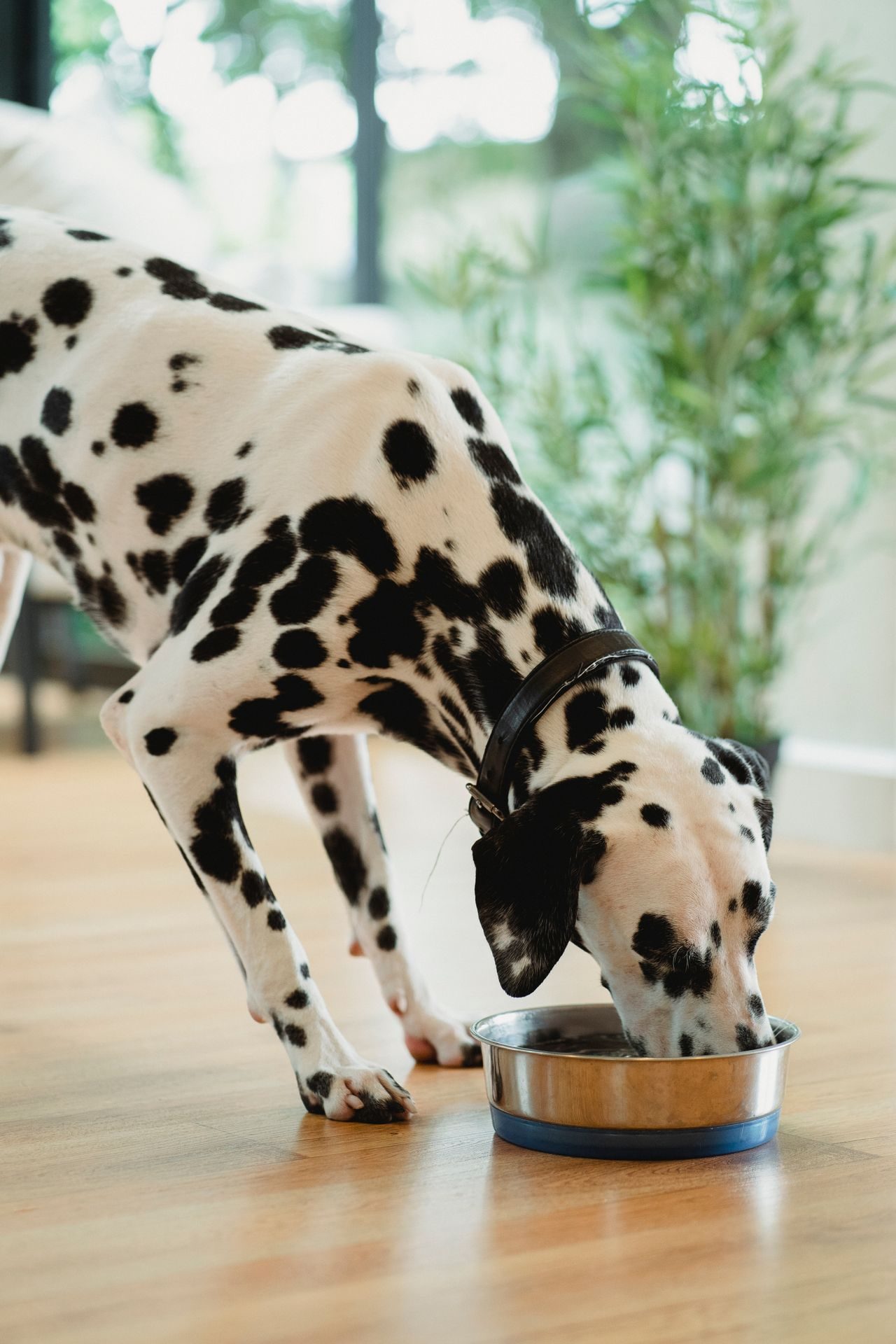
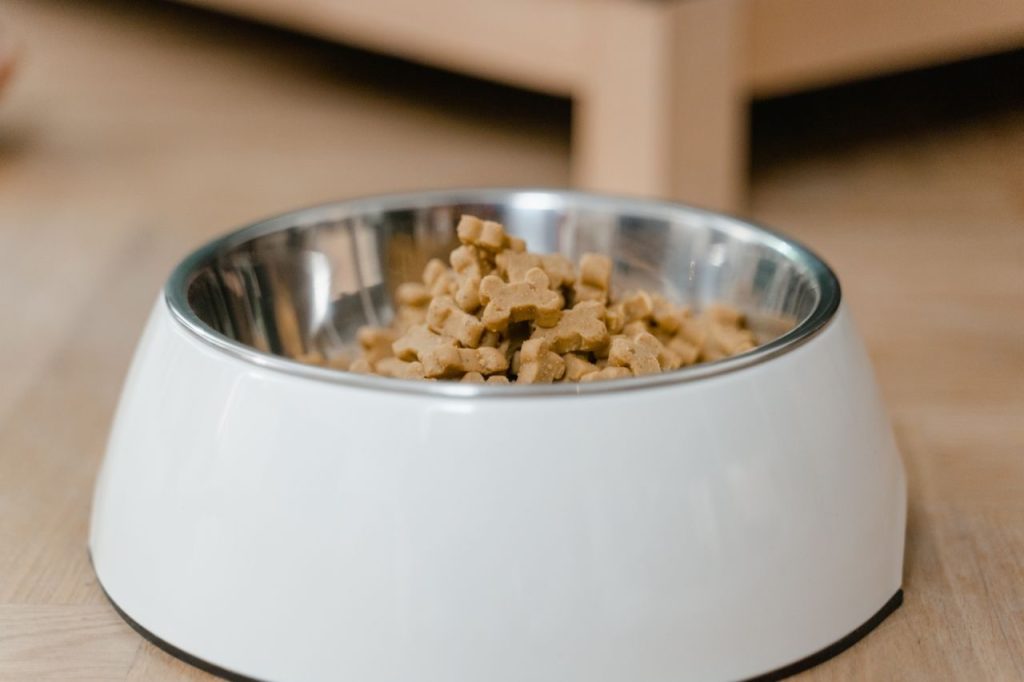
Feeding stations tucked against a wall or in a narrow space limit the dog’s ability to approach from a preferred angle. Check whether the dog circles or backs up before eating and adjust the position accordingly. Owners sometimes position bowls for easy cleaning or to keep floors tidy, yet these practical decisions can reduce the space available for comfortable approach. Spend several meals noting the exact path the dog takes, including any pauses or changes in direction, to identify whether the layout forces an unnatural posture. A frequent error is interpreting slow eating as disinterest when the real issue is limited room to manoeuvre.
Try moving the bowl a short distance away from the wall or into a wider part of the room. Record whether approach speed changes over several meals before deciding the new location works better. Success is indicated by smoother, more direct movement to the bowl without circling. This adjustment applies most clearly in rooms with fixed furniture; in very small kitchens, raising the bowl slightly on a stable stand may create similar space. If approach behaviour remains hesitant after relocation, consider whether other household members or nearby activity coincide with feeding times.
Changing multiple elements at once
Switching both the location of a water bowl and the time of a walk on the same day makes it hard to tell which adjustment the dog prefers. Keep one variable steady while testing another. Many households attempt several improvements simultaneously in the belief that faster change equals better welfare, yet this approach obscures cause and effect. Create a simple list of current routines and alter only one item per week, noting the dog’s response each day at the same time. The error often stems from enthusiasm to address multiple perceived problems without first establishing a baseline of normal behaviour.
Make notes on a single change for at least three days. This spacing helps separate the effect of each adjustment from normal daily variation. Judge the outcome by comparing the dog’s use of the space or item before and after the isolated change. The method works best when household schedules are relatively steady; during holidays or moving periods, postpone non-urgent alterations. Continued uncertainty after spaced trials suggests pausing further changes until a clearer picture of preferences emerges.
Ignoring individual pacing needs
Some dogs pause longer between activities than others. A routine that moves straight from garden time to indoor rest can cut short the settling period the dog uses to choose a spot. Observe the natural intervals between major activities over several days to identify each dog’s typical rhythm. Owners may hurry transitions to fit work or school timetables, overlooking that the dog requires extra minutes to select a resting place. Track whether the dog stands still, sniffs surfaces or wanders briefly after coming inside before settling.
Build a short buffer into the sequence. Allow the dog to wander or stand still after coming inside before directing attention to a resting area. Measure effectiveness by whether the dog eventually chooses a spot without prompting and remains there. This practice suits dogs with established household patterns; younger or newly arrived dogs may need longer observation to reveal their pace. If the dog continues to pace without settling after buffers are added, note the behaviour for discussion with a qualified professional rather than extending the waiting period indefinitely.
Assuming one setup suits every household member
Children may leave toys near resting places or approach the dog more quickly than adults. The same space can feel different depending on who else is present. Observe the dog’s response when different people are nearby. If tension appears only with certain household members, move the resting spot farther from their usual activity zones. A common oversight is designing choice points around adult schedules alone while underestimating how children’s play or movement alters the environment throughout the day. Record instances when the dog leaves an area shortly after a particular person enters the room.
Observe the dog’s response when different people are nearby. If tension appears only with certain household members, move the resting spot farther from their usual activity zones. Success shows as relaxed use of the area regardless of who is present. This adjustment works when family routines allow separate zones; in open-plan homes, visual screens or raised beds can create distance. Persistent avoidance linked to specific individuals points to the value of reviewing interaction styles rather than repeatedly relocating the resting place.
Failing to review after a schedule shift
Work patterns or school terms change and the old choice points no longer match the new rhythm. A mat that once offered quiet may now sit in the middle of afternoon activity. Set a recurring reminder to watch the dog for two or three days after any timetable alteration. Many owners update setups only when problems become obvious, missing the opportunity to adjust proactively. Compare the dog’s previous use of each space with current patterns by noting arrival and departure times from resting areas before and after the change.
Adjust locations or times only after the new pattern has settled. Small, repeated observations reveal whether current arrangements still support choice. When a dog consistently uses the options provided, the routine is working; when the dog avoids them, the next adjustment can be made with clearer information. This review habit fits households with seasonal schedule changes; in homes with frequent short-term disruptions, a brief daily check may be more practical. Continued mismatch after review indicates that broader routine elements may need consideration beyond physical placement.
Small, repeated observations reveal whether current arrangements still support choice. When a dog consistently uses the options provided, the routine is working; when the dog avoids them, the next adjustment can be made with clearer information.