Many owners want clearer pictures of what their dog actually prefers during ordinary household moments. Two practical routes stand out: staying present and noticing in the moment, or capturing a short clip to review later. Each route carries different strengths and limits, and the better fit often depends on the situation at hand.
Neither method replaces direct attention or professional input when behaviour shifts suddenly. Both simply help build a steadier sense of patterns over days and weeks. The goal remains giving the dog room to show preferences rather than directing outcomes.
Real-time watching in daily rooms
Standing or sitting quietly in the same space lets you catch small shifts as they happen. A dog may turn its head, shift weight, or move to another spot. These moments occur within the actual flow of household sounds and movements, so context stays attached to the observation.
One limit appears when several things happen at once. A visitor arriving, a door closing, and a toy rolling across the floor can overlap, making it harder to link one signal to one cause. Keeping a simple mental note of the sequence still works, yet details fade quickly once the next task begins.
Short video clips for later review
A brief recording from a fixed phone position can capture posture and timing that pass unnoticed in the moment. Playing the clip back allows repeated viewing of the same few seconds, which helps separate overlapping events. The clip stays available for comparison on another day.
Sound quality and angle affect usefulness. A clip taken from across a bright room may lose tail or ear detail. Placing the device at dog height and checking the frame before starting reduces this drawback. Clips longer than two or three minutes rarely add extra value and can become another task to manage.
When live watching works better
Live watching suits fast-changing settings such as mealtimes or greetings at the door. The observer can move position if needed and notice how the dog responds to an immediate change, such as a new sound outside. No extra equipment enters the picture, so the dog’s surroundings remain unchanged.
This approach also keeps the observer inside the same space, which supports quick, low-key responses like stepping back or offering space. The trade-off is that attention splits between watching and any other household demand at the same time.
When a short clip adds clarity
A clip helps when the question centres on very small movements, such as how a dog settles after a family member leaves the room. Reviewing the same sequence twice can show whether the dog chose a particular cushion or simply avoided another area. The record also travels to a behaviour professional if a pattern needs outside perspective.
Clips work less well during first-time events. The act of starting the recording can itself become part of the moment, and the dog may react to the new object or the person’s changed posture. Testing the setup on an ordinary day before using it for a specific question reduces this effect.
Combining both approaches without overload
Some owners keep a small notebook near a usual sitting spot and add one-line notes after live watching sessions. On days when a question feels harder to pin down, they set up the phone for one short clip instead. Alternating between the two keeps effort low while building a mixed set of observations.
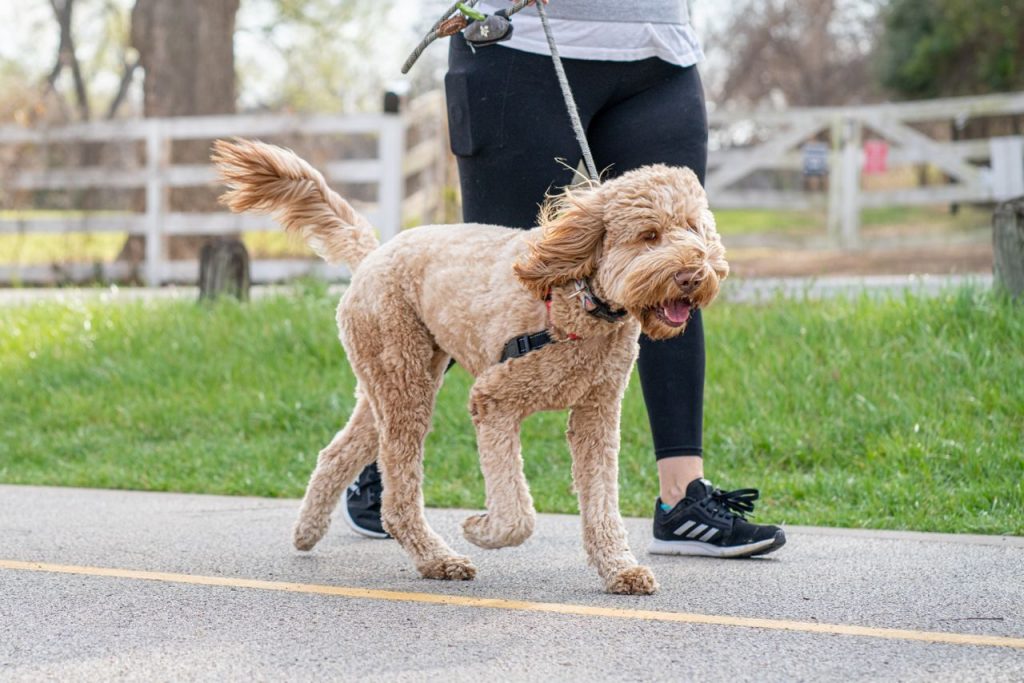
The choice can follow the setting rather than a fixed rule. Busy morning routines favour live notes; quieter afternoons allow a clip if the same sequence repeats. Over weeks the pattern of which method was used can itself show which situations needed more detail.
Practical checks before starting either method
Before any observation, confirm the dog has an easy exit route from the room. Note the time of day and any recent changes, such as a different walker or new visitor. These details stay attached to the note or clip and make later comparisons more accurate.
Stop the session if the dog shows repeated avoidance or appears unsettled. The aim is information, not completion of a set period. Ending early keeps the process low-pressure and preserves trust.
Keeping records usable over time
Store notes or clips with the date and a one-word label such as “door greeting” or “settling after walk”. Avoid long descriptions at the time of recording; add any extra thoughts only after the moment has passed. This keeps the record factual and easier to scan later.
When patterns appear across several entries, the record can support a conversation with a vet or qualified behaviour professional. The owner brings the observations; the professional supplies context and next steps if needed.
Both watching styles remain tools for noticing choice rather than directing it. Adjusting the method to the actual day and room keeps the focus on the dog’s signals within ordinary life.