Write the reason in one sentence
Start preparation by naming what you want from the appointment in plain language. It may be a scheduled check or a concern about a change you have noticed. Describe the observation rather than assigning a diagnosis. For example, record when an activity became different and what happened, instead of deciding it must be stubbornness or a food intolerance. A clear starting sentence helps you use the consultation time for the question that actually matters.
Keep urgent concerns separate
Routine preparation is not a reason to wait when the dog has a serious current problem. Difficulty breathing, collapse, suspected poisoning or another urgent concern needs prompt veterinary contact using your verified local arrangements. Do not spend time completing a diary or waiting for the scheduled slot to make the record more impressive. The AAHA emergency guidance explains signs that warrant urgent attention, while your own practice can advise on the immediate local route.
Make a short timeline
For a non-urgent change being discussed at the planned visit, note when it was first observed, whether it has happened again and what the surrounding circumstances were. Include factual details that may be useful, such as a new household routine or a change in the product offered. Keep uncertainty visible. Writing approximately last weekend is better than inventing a precise date or presenting another person’s guess as something you witnessed yourself.
Bring the food details
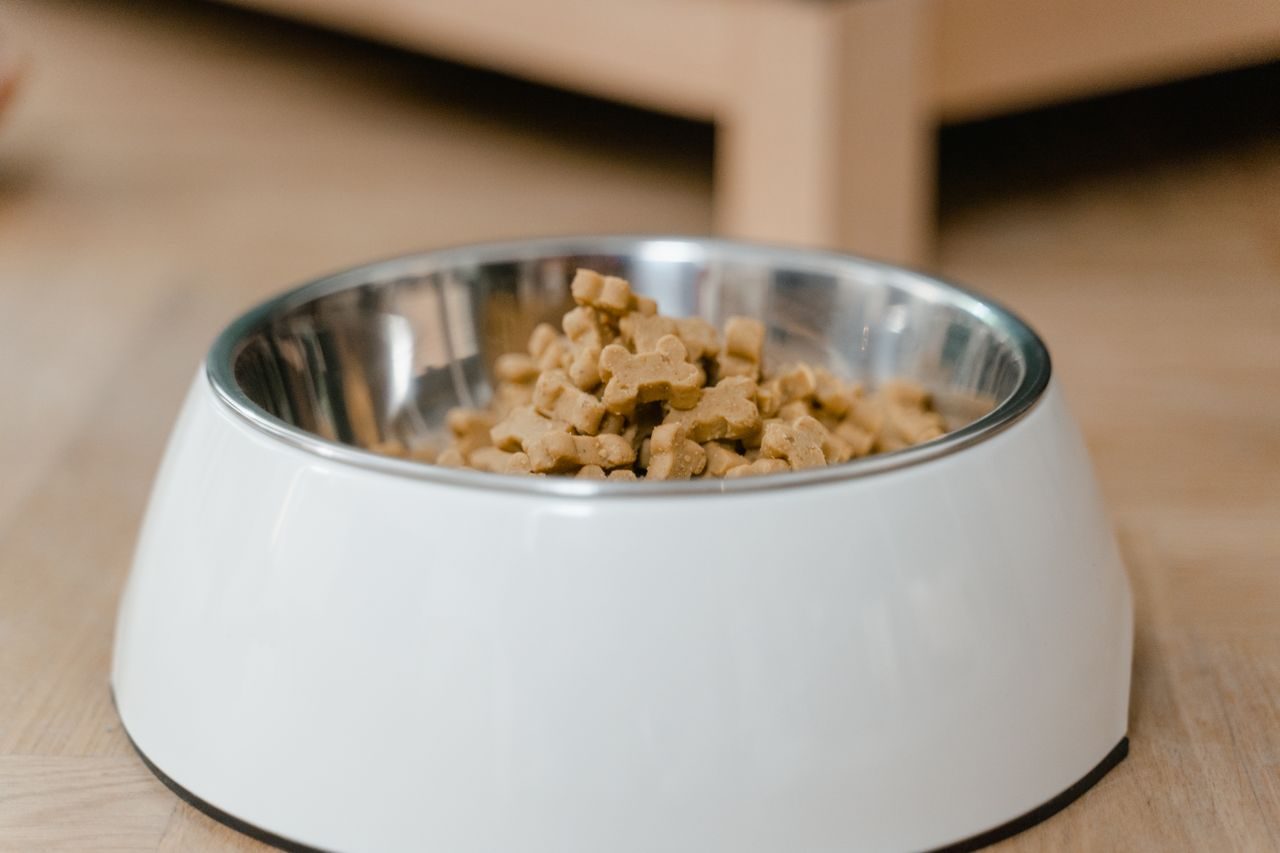
Record the exact current foods, treats and other items the dog is offered, with product names or clear photographs of the packaging where helpful. Include the existing feeding arrangement and who provides it. Avoid replacing this information with a label such as healthy diet, because that does not identify what is actually eaten. If you are unsure about an amount or an extra item, say so rather than supplying a confident estimate that obscures a household communication gap.
List medicines and existing plans
Have the current medication names and the veterinarian’s existing instructions available, including any other products the dog receives. Do not change a dose or omit a product from the list because you assume it is irrelevant. If another clinic supplied an instruction, bring the relevant record where possible. Clinical decisions belong in the consultation, so preparation should make the information clear rather than turning the days before the appointment into an unplanned trial of new treatments.
Choose useful records, not a data dump
Select the notes or photographs most relevant to the question and keep longer records available if requested. A brief naturally occurring video may help describe a behaviour when it can be recorded safely, but do not provoke a response, repeat something distressing or delay care to obtain it. Avoid sending unrelated large files without asking the practice how it prefers to receive information. A clear concise record is easier to use than an unexplained folder of everything collected over several months.
Prepare practical visit questions
Ask the practice about anything needed for the appointment, including documents, arrival arrangements or preparation specific to the planned visit. Do not withhold food or perform another pre-visit step merely because a different appointment once required it. Follow the current instructions for this dog and purpose. If travel or the waiting area is difficult, discuss that ahead of time so the practice can explain the available arrangements rather than leaving the question until you reach the door.
Put your main questions first
Write two or three priorities and leave space for answers. You might ask what the observations mean for the next step, which signs require another call or how to follow an agreed plan at home. Keep questions open rather than asking only for confirmation of a diagnosis you selected online. The aim is a usable understanding of the professional advice, including any follow-up, not a list of technical terms that you feel obliged to bring into the conversation.
Clarify the plan before leaving
Use your notes to check that you understand the instructions given, who will do each task and when the next contact is appropriate. Ask for clarification if wording, equipment or a practical step is unclear. Do not rely on another household member to reconstruct an important instruction from memory later. Keep written information where the responsible adults can access it and distinguish the new plan from any older version that has been replaced.
Share only the relevant next steps
After the visit, update the people providing daily care with the agreed information they need. Keep private records appropriately stored and avoid turning the consultation into a public diagnosis based on fragments of advice. A well-prepared routine visit connects a factual history with clear questions and an understandable plan. It does not require scoring every behaviour, presenting a home diagnosis or postponing urgent help until the paperwork is complete and the planned appointment arrives.