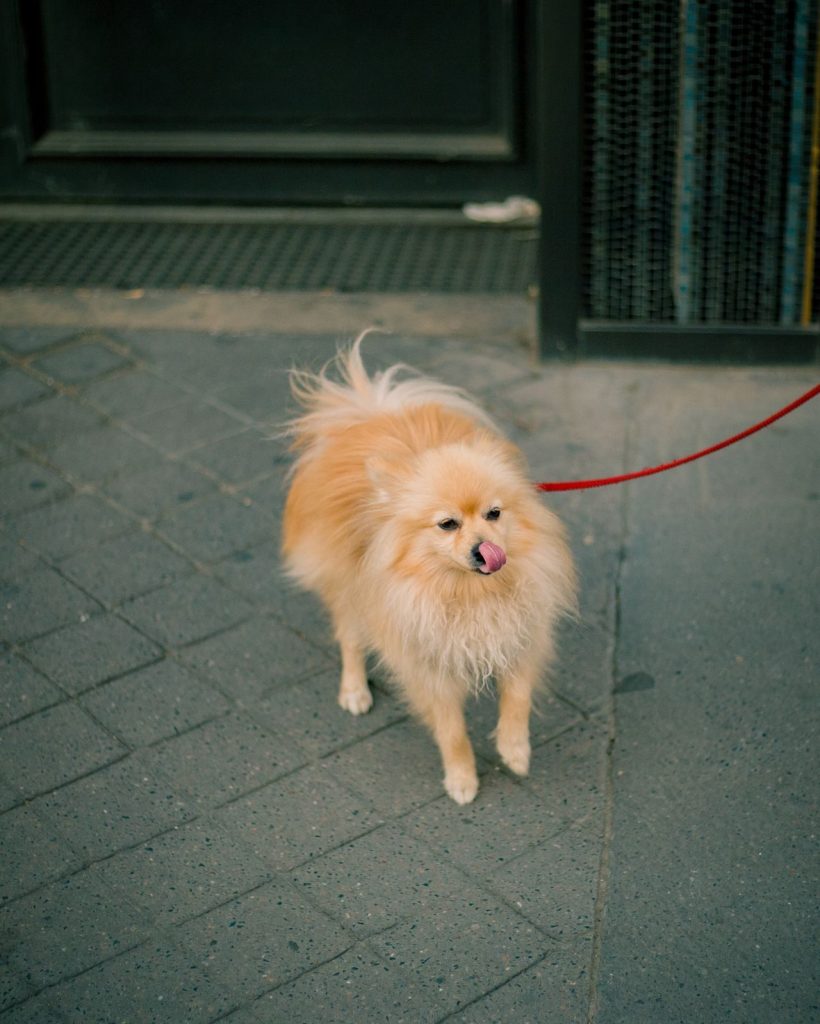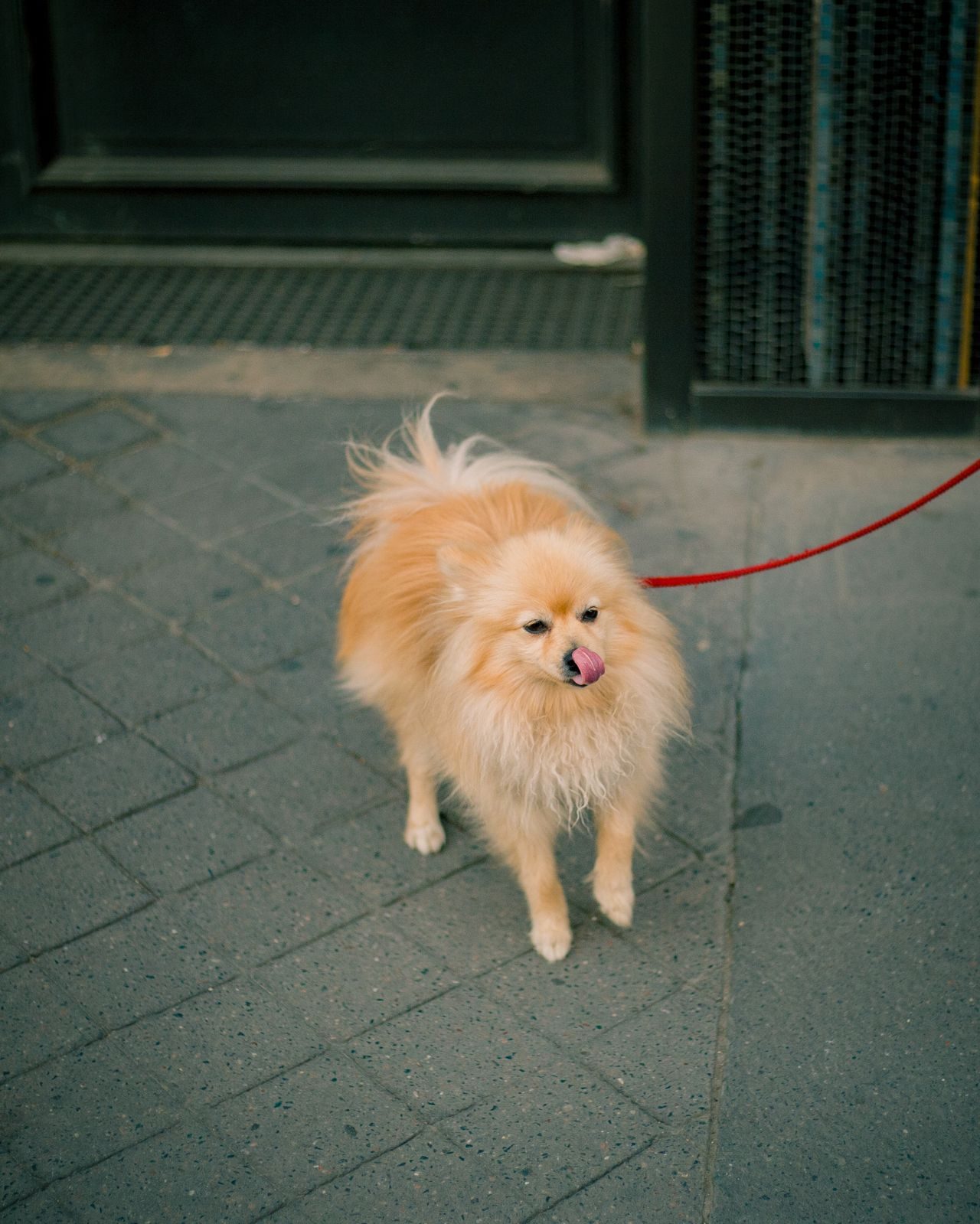
Many owners notice a dog turning their head away yet continue the same approach, assuming the dog simply needs more encouragement. This small movement often signals a wish for distance rather than a request for closer contact. Recognising the pattern early helps keep interactions calm and voluntary. The movement can appear during routine handling or social approaches and tends to recur in similar circumstances when the preceding actions remain unchanged. Observing the exact timing and setting provides clearer information than assuming any fixed internal state.
Head turns appear in many ordinary situations such as greetings, toy offers or attempts to clip on a lead. The behaviour itself carries no single meaning; context and repeated observation matter more than any fixed interpretation. The sections below examine frequent response errors and outline straightforward adjustments that stay within reward-based methods. Each adjustment focuses on the owner’s actions rather than requiring the dog to perform a specific response. Over time these changes can reduce the frequency of avoidance while preserving the dog’s option to move away.
Seeing the signal across different household moments
A head turn may occur when someone leans over the dog to attach a harness or when a child reaches toward the dog’s face. The movement can also appear during longer eye contact or when a person moves quickly into the dog’s space. Recording the exact sequence of actions that precede the turn helps separate one-off reactions from recurring patterns. Owners can note the location, the person involved and the immediate prior action on a simple household notebook kept near the door or feeding area. This record remains factual and private, listing only observable events such as “child approached from front while holding toy” rather than any interpretation of mood. Over several days the notes often reveal whether certain rooms or times of day coincide more frequently with the movement.
Owners sometimes overlook the signal when it happens alongside other small changes such as a slight shift of weight or a brief lip lick. Noting these combinations on a simple daily note creates a clearer picture than relying on memory alone. The record stays private and factual, focusing only on observable actions and timing. When the same sequence appears in two or more different rooms, the pattern becomes easier to identify without needing external labels. The notes also help when discussing the situation with a veterinarian or qualified behaviour professional at a later appointment, because they supply concrete examples rather than general impressions.
Why immediate repetition often widens the gap
Repeating the same cue or gesture right after the head turn tends to increase the distance the dog seeks. The repetition can turn a mild request for space into stronger avoidance on later occasions. Pausing instead allows the dog to return to the interaction on their own terms if they choose. This pause lasts only until the dog reorients or moves to another part of the room; it does not involve calling the dog back or offering an immediate reward. The method works best when applied consistently by every household member who regularly interacts with the dog.
Another frequent response involves adding a treat or toy immediately after the turn in an attempt to regain attention. This approach can accidentally link the head turn with the arrival of food, making the movement more likely in future. Waiting until the dog reorients before offering any reward keeps the timing clearer. The same principle applies during lead attachment or harness fitting: if the dog turns away, the owner pauses the action, steps back slightly and resumes only after the dog faces forward again. These adjustments require no special equipment and can be practised during ordinary daily routines such as morning harness fitting or evening toy play.
Adjusting body position and pace
Reducing forward lean or direct face-to-face positioning gives the dog more physical room without requiring any command. Side-on posture and a slower approach often reduce the need for the dog to turn away. These changes rely on the owner’s movement rather than on asking the dog to alter behaviour first. For example, when fitting a harness the owner can kneel beside the dog rather than above it, keeping hands at the dog’s side rather than reaching over the head. The same side-on stance applies during greetings with visitors, where the person stands at an angle and waits for the dog to approach the side of their leg instead of the front.
Shortening the duration of any single interaction also helps. Ending an approach after a few seconds and then stepping back lets the dog decide whether to follow. Over several days this pattern tends to produce more voluntary returns than longer, uninterrupted attempts. The length of each approach can be judged by counting a few normal breaths rather than by any fixed timer. If the dog remains in place after the owner steps back, the next approach can begin from a slightly greater starting distance. These adjustments remain effective only when applied consistently across different people and rooms; occasional use tends to produce inconsistent results.
Sharing the same approach with other household members
Children and visitors frequently mirror the same leaning or reaching actions they see adults use. A short, consistent phrase such as “pause and wait” can remind everyone to stop when the dog turns away. The phrase works only when it is paired with the actual physical pause rather than continued movement. Families can practise the phrase during calm moments when the dog is resting, so that everyone associates the words with stopping rather than with any correction. Written reminders placed near entry doors or feeding stations can support the same habit without requiring verbal reminders every time.
Placing a mat or designated spot for each person during greetings creates a visual boundary that reduces crowding. The dog can then approach the mat area or remain at a distance without being followed. This arrangement requires no training tools beyond ordinary household items. The mat stays in the same location for several weeks so that the dog learns its position through repeated exposure rather than through any active teaching. When visitors arrive, the owner can direct them to stand on the mat before any interaction begins, which keeps the dog’s choice of distance intact throughout the greeting sequence.
Keeping notes that support later conversations
A brief log of times, locations and preceding actions provides useful detail if behaviour patterns change noticeably. The log records only what was seen and when, avoiding any assumption about the dog’s internal state. Such notes prove helpful when speaking with a veterinarian or qualified behaviour professional. Entries remain short: date, time, what happened immediately before the head turn and what followed. Over weeks the collected observations reveal whether certain rooms, times of day or people appear more often in the sequence. This information stays within the household and is not shared publicly.
The log can also include simple details such as the surface the dog stood on or the presence of other animals in the room. These extra facts sometimes clarify whether the head turn occurs more often on slippery floors or when another dog is nearby. The record does not need to be long or formal; a few lines on a single page each day suffice. When the household later discusses the situation with a professional, the log supplies concrete examples that help the conversation remain focused on observable events rather than on general impressions.
Knowing when external input becomes useful
If the head turns increase in frequency or appear alongside other marked changes in appetite or movement, the next step is a conversation with a veterinarian. The owner can bring the private log to that appointment. No online description replaces that direct discussion. The veterinarian can assess whether the pattern coincides with any physical change that requires examination. The owner’s role is to supply the factual record rather than to interpret the behaviour in advance.
When the pattern remains stable yet the household wishes to refine daily handling, contacting a reward-based trainer who works with choice and distance offers further practical ideas. The trainer’s role is to observe live interactions rather than to label the dog. Sessions usually take place in the home environment where the head turns occur most often. The trainer can demonstrate adjustments to body position or timing that fit the specific household layout. These sessions remain most effective when every regular household member attends at least one meeting so that the same approach continues after the trainer leaves.
Consistent attention to the dog’s signals and to the owner’s own positioning forms the core of these adjustments. Small, repeated changes in timing and posture tend to produce clearer, calmer exchanges over time without any requirement for the dog to perform specific actions on cue. The approach stays within everyday routines and does not rely on special equipment or scheduled training sessions beyond ordinary household interactions.