
Owners often find that small, regular notes on feeding help when questions arise later. A steady record shows patterns without needing to recall every detail from memory during an appointment. The practice centres on factual entries that remain consistent over months or years rather than detailed narratives.
Long-term habits work best when they fit into existing routines rather than adding extra tasks. Checking the food bowl at the same time each day, for example, can become part of clearing the kitchen or preparing the next meal. This approach reduces the chance that entries are forgotten during busy periods.
Choosing what to note each week
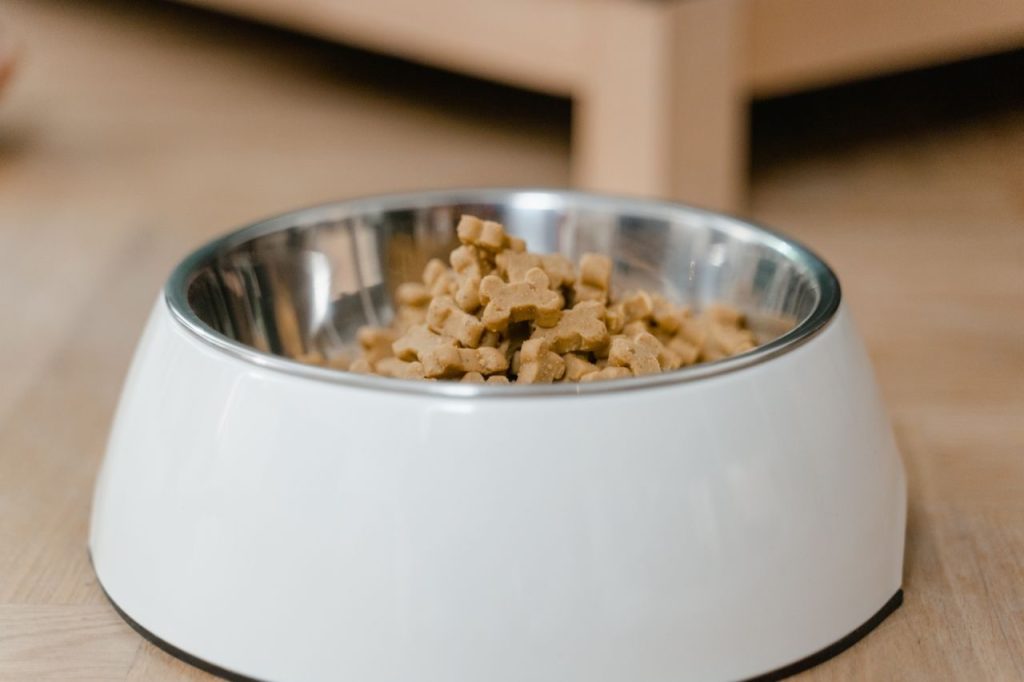
Focus on measurable points such as the amount offered, how much is left after twenty minutes, and any change in the usual eating speed. These details stay factual and avoid interpretation that might shift over time. Owners can use a simple scale or measuring cup to keep quantities consistent across entries. Recording the time of day the meal is offered also helps identify whether preferences vary with household activity levels. Over several weeks the collected figures reveal whether intake remains stable or shows gradual drift that might warrant discussion.
Include the brand and variety name exactly as printed on the packet. When a new bag is opened, record the batch code and best-before date so any later query can be traced back to the specific product. This level of detail proves useful if a manufacturer issues a recall or if a vet asks about a particular formulation. Avoid adding subjective comments such as “seemed less interested”; instead note only observable actions like the number of times the dog left the bowl and returned. Such precision keeps the record usable for comparisons months later.

Keeping the record in one place
A simple notebook kept near the feeding area or a dated folder on a phone works equally well. The key is that entries remain together rather than scattered across different apps or scraps of paper. Choose a format that can be opened quickly, such as a lined page with columns for date, product name, amount given and amount left. Consistency in layout reduces the time needed to add each entry and makes later reviews faster.
Review the accumulated notes every three months. Look for gradual shifts, such as a slow increase in leftovers or a change in preferred feeding time, and mark those pages for easy reference. If using a digital option, export the file to a dated backup once a quarter. This habit prevents loss if a device is replaced and allows the owner to carry printed excerpts to appointments when needed. The review step also highlights whether the chosen categories still match current circumstances or require minor adjustment.
Linking notes to label information
Compare the feeding guide on the current packet with the amounts actually given. If the two diverge, note the reason, for instance a recent change in activity level or a temporary addition of another food type. The comparison remains useful only when both the label text and the actual practice are recorded side by side. Owners can photograph the feeding table on the bag each time a new variety is introduced so the exact wording is preserved.
Keep the original packaging or a clear photograph of the ingredients list and analytical constituents until the bag is finished. This allows direct comparison when a different product is considered later. Common errors include discarding the empty bag before the batch code is noted or mixing notes from two different products on the same page. Either mistake makes it harder to answer precise questions from a vet about a particular formulation or transition period.
Preparing questions from the record
Before a routine visit, read through the last six months of entries and list three or four specific observations. Examples include consistent refusal of one flavour or a change in water intake that coincides with a new dry food. The list should contain only items that appear repeatedly rather than single incidents. This filtering step keeps the discussion focused on patterns that may need professional attention.
Phrase each point as a question rather than a conclusion. This keeps the discussion open and lets the veterinary team decide what further steps, if any, are appropriate. For instance, instead of stating “the dog dislikes the food,” ask whether the observed increase in leftovers aligns with any known factors. Bringing dated excerpts or a summary table further supports the conversation without requiring the owner to search through pages during the appointment.
Updating the record when circumstances change
When a dog moves to a new home or experiences a shift in household routine, begin a fresh section in the same notebook. Note the date and the nature of the change so the timeline remains clear. The new section can retain the same column headings while adding one extra line for the altered factor, such as different feeding location or altered exercise pattern. This maintains continuity while marking the transition point.
Continue the same categories of observation rather than starting an entirely new system. Consistency across periods makes comparisons easier during later conversations. A common mistake is to stop recording altogether during a busy transition; even brief entries for the first two weeks preserve the chain of information. If the change involves a different product, photograph the new label on the same day the switch occurs so the record reflects the exact starting point.
Storing older records safely
Once a notebook is full, label it with the start and end dates and store it with other pet documents. Digital scans of key pages can serve as backup if paper copies are at risk of damage. Storage conditions matter: keep paper records away from damp areas or direct sunlight that could fade ink over several years. A clear plastic folder inside a filing box prevents pages from becoming disordered.
These archives become useful when a new veterinary practice takes over care or when questions arise about long-standing preferences that predate the current team. Owners can quickly locate the relevant notebook by the date label rather than searching through multiple volumes. The stored material also supports decisions about future product choices by showing which formulations maintained steady intake across previous periods. Over years the habit of brief, regular entries builds a practical reference that supports informed discussions without requiring extra effort each day.