Many owners notice a dog move away during a greeting or game yet continue the activity anyway. The pattern often stems from missing the first small signals or assuming the dog will return quickly. Observing the full sequence of movement, posture and timing gives a clearer picture of what the dog is communicating in that moment.
Respecting the choice to step back keeps interactions calmer for everyone involved. It also reduces the chance that the dog will need stronger signals later. The following sections look at frequent points where the reading goes off track and what can be done instead.
Stopping at the first visible retreat
A dog may turn its head, shift its weight or take one step sideways before any larger movement occurs. Owners sometimes treat this as hesitation rather than a request for space and keep reaching or talking. Watching the next two seconds after the initial shift shows whether the dog is settling or preparing to leave the area.
Pausing the approach at the first sign allows the dog to decide the next step. If the dog stays nearby but faces slightly away, the interaction can end without further contact. Repeating this pause across several days builds a habit of noticing earlier signals.
Continuing the activity after the dog has left the immediate space
Once a dog has walked to another part of the room or garden, owners may call it back or follow with a toy. The dog’s movement already indicated a preference for distance. Following restarts the cycle and can make the next retreat happen sooner.
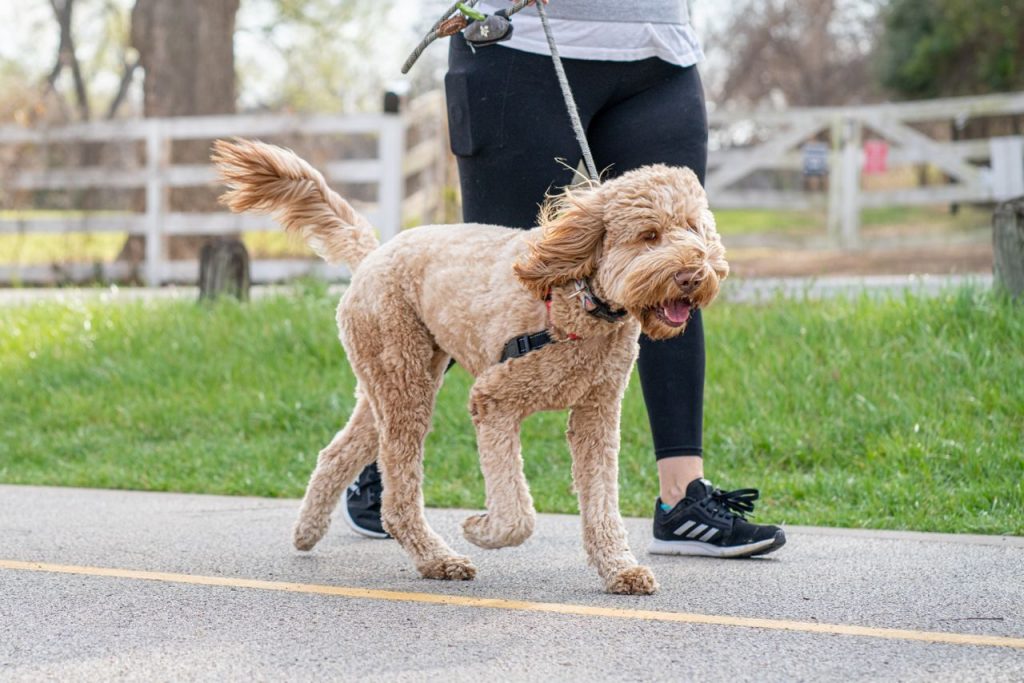
A practical response is to stay where you are and let the dog rejoin when it chooses. If the original activity was play, simply put the toy down and move to another task. The dog learns that leaving does not trigger pursuit.
Interpreting every retreat as fear rather than preference
Not every step back signals worry. Some dogs simply prefer shorter interactions or need a moment between contacts. Labelling the movement as fear can lead to extra reassurance that the dog does not want. Checking other body features such as ear position, tail carriage and breathing rate gives a fuller view of whether discomfort or simple choice is present.
When the rest of the body remains loose, the retreat is more likely a normal variation in interest. Owners can note the context—what happened just before the move—and compare it with other days. Patterns emerge without needing to assign an emotion.
Using food or toys to draw the dog back immediately
Offering a treat or squeaky toy right after a dog moves away can turn the retreat into a cue for return. The dog may start to associate leaving with being called or followed. Over time the original choice to create space becomes harder to express.
Instead, keep any reward out of sight until the dog has settled elsewhere or returned on its own. If a reward is already planned for another behaviour, deliver it in the location the dog has chosen. This keeps the reward tied to the dog’s decision rather than to the act of returning.
Expecting the same interaction length every time
Daily routines can make owners assume a greeting or play session should last a set number of minutes. When a dog ends the session earlier, the change can feel abrupt. Recording the actual length of several interactions on different days shows the natural variation already present.
Once the range is visible, shorter sessions no longer stand out as unusual. The owner can plan shorter or longer activities according to the dog’s recent pattern rather than a fixed expectation.
Changing the environment instead of the handler’s behaviour
Some responses focus on moving furniture, adding barriers or altering lighting after a dog retreats. These changes can help in specific cases, yet they leave the timing of human contact unchanged. The dog may still need to step away from people rather than from objects.
Adjusting the handler’s actions—such as waiting for the dog to approach first or ending contact sooner—often produces clearer results. Environmental tweaks work best when paired with consistent human timing.
Reviewing notes after several similar episodes
Keeping brief written observations about time of day, preceding activity and the dog’s next behaviour helps identify whether the pattern repeats in particular situations. The notes stay private and factual. Over a week or two they reveal whether the retreats cluster around certain people, times or locations.
With that information the owner can adjust only the relevant parts of the routine. No single change is applied to every interaction, which keeps the approach specific and practical.
Small adjustments in how distance is read and respected accumulate into steadier daily exchanges. The dog keeps the option to move away without pressure to return, and the owner gains clearer information about what the dog prefers in ordinary settings.