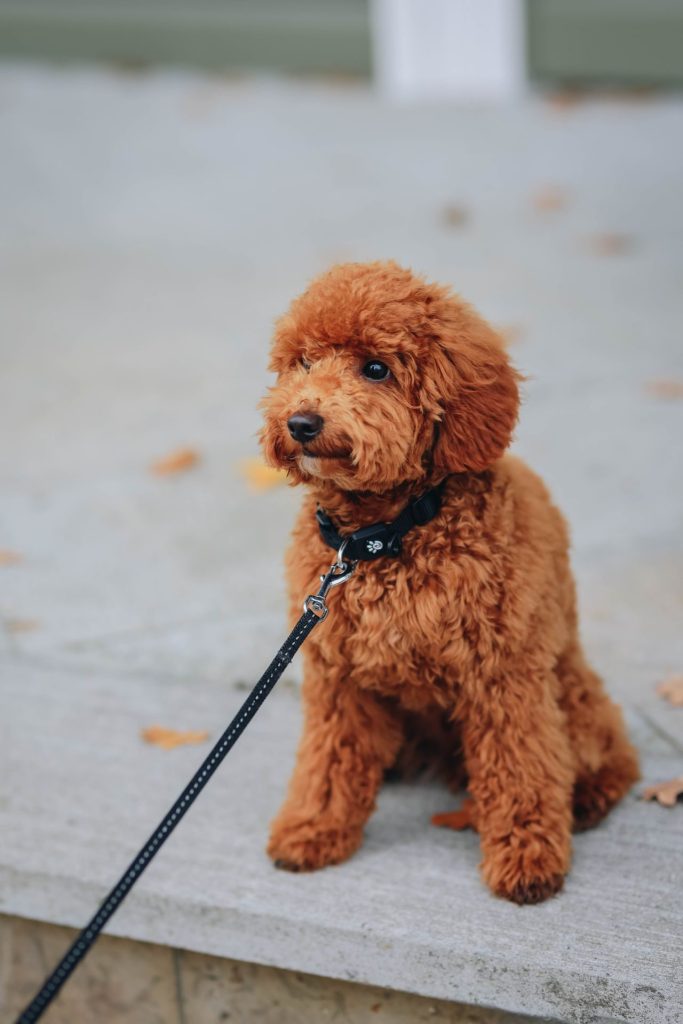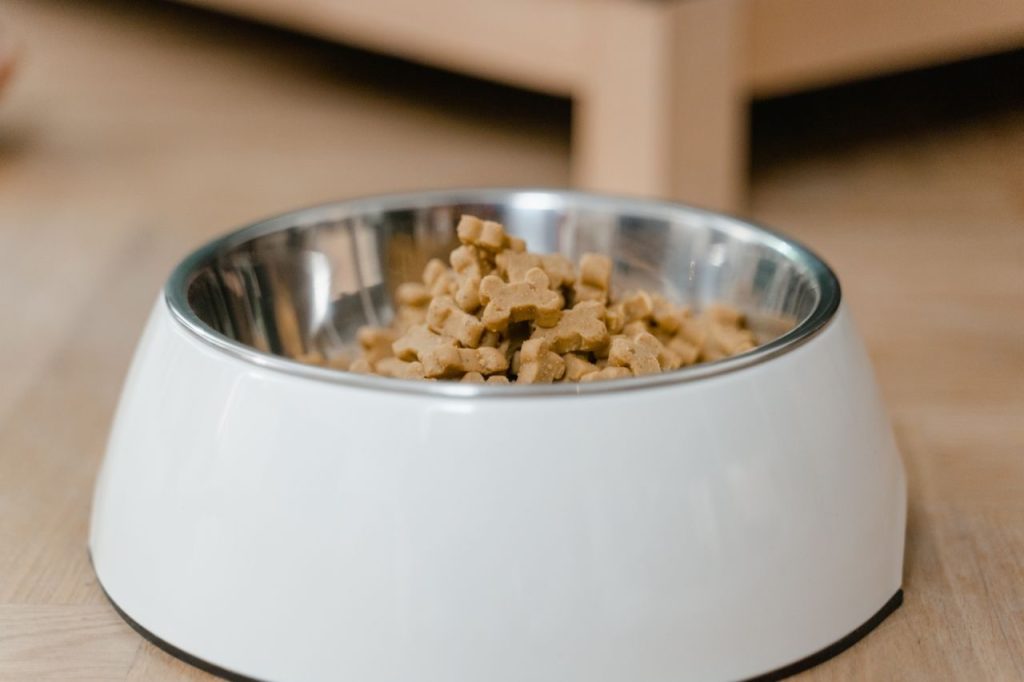
Many owners already move through the same rooms and tasks each day. Using those existing movements to notice how a dog settles or shifts position turns routine observation into part of ordinary life rather than an added duty.
Small, repeated checks fit more easily into the day than longer dedicated sessions. A glance at posture while filling the kettle or clearing the table can reveal whether the dog chooses the same spot or moves when people pass through.
Linking checks to existing household actions
Choose three or four regular actions that happen at roughly the same times. These might include preparing breakfast, opening post, or returning from work. Each action provides a brief moment to note where the dog is and what the body position looks like.
Keep the check short. A single detail such as whether the dog is lying with limbs extended or curled tightly is enough. Recording only that one detail prevents the task from growing into extra work.
Over several days the same checks show whether the chosen resting place stays consistent or changes with noise levels or visitor presence. The pattern emerges from the repetition rather than from special effort.
Choosing resting places that already exist in the home
Dogs often select corners, under furniture or near doorways without prompting. Observing which surfaces they return to helps identify places that already support longer periods of rest.
Compare the same location across different times of day. A spot that feels cool in the morning may receive direct sun later, altering its suitability. Noting the change once or twice a week is usually sufficient.
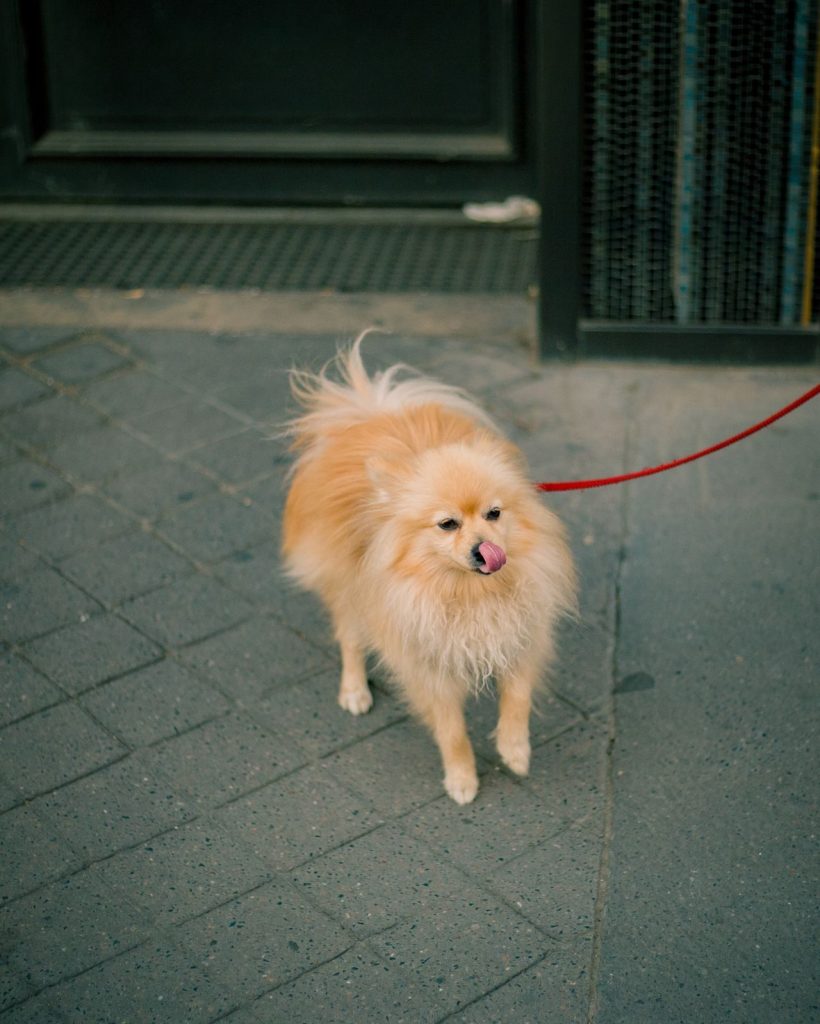
If a preferred place becomes unavailable because of rearranged furniture or seasonal items, watch how quickly the dog finds an alternative. The speed of adjustment indicates how flexible the current arrangement remains.
Recording only what is visible during normal movement
A simple note on paper or a phone kept near the kettle works for most households. Write the time, location and one posture descriptor. Avoid long descriptions that interrupt the original task.
After a fortnight the collected notes show whether the dog rests more during certain household activities. This information stays within the scope of everyday observation and does not require separate measurement tools.
Share the short notes with other adults in the home so everyone sees the same pattern. Consistency across observers reduces the chance that one person’s single impression dominates decisions about rearranging space.
Adjusting supervision during repeated household tasks
Some tasks such as cooking or vacuuming involve movement that may interrupt a resting dog. Notice whether the dog leaves the room or simply lifts its head and settles again once the task ends.
If the dog consistently moves away, consider whether a different corner further from the main path would reduce disturbance. The change can be tested for a few days and reversed if the new location proves less suitable.
Keep the adjustment small. Moving a water bowl a short distance or adding a familiar blanket to an existing corner maintains the original routine while testing the effect.
Reviewing notes when household patterns shift
Seasonal changes such as earlier darkness or visitors staying longer alter the timing of household actions. Compare the resting locations noted before and after the change.
Look only at the same three or four daily checks rather than adding new ones. This keeps the comparison manageable and avoids creating an impression that more data is always better.
If the notes show the dog now rests in a different room during the altered schedule, the observation itself guides whether further small adjustments are needed. The process stays within ordinary household movement.
Passing observations to others who share the home
Brief verbal updates during the same actions used for checking work well. Mentioning that the dog now rests near the window after lunch takes little extra time and keeps everyone informed.
Written notes left in the same place as the kettle or post tray make the information available without requiring a separate meeting. The habit of checking the note can itself become part of another routine action.
When a new person joins the household, the existing short notes provide a quick reference for where the dog tends to settle. This reduces the need for lengthy explanations while the new person learns the pattern through their own daily movements.
Keeping the practice sustainable over months
The same three or four checks can continue for a long period because they attach to actions that already occur. No additional time blocks are required, so the habit is more likely to persist.
Occasionally discard older notes once a clear pattern for the current season has been seen. Retaining only recent observations prevents the collection from becoming overwhelming.
When the household routine itself changes permanently, select a new set of three or four actions and begin the short checks again. The method remains the same even though the anchor points move.