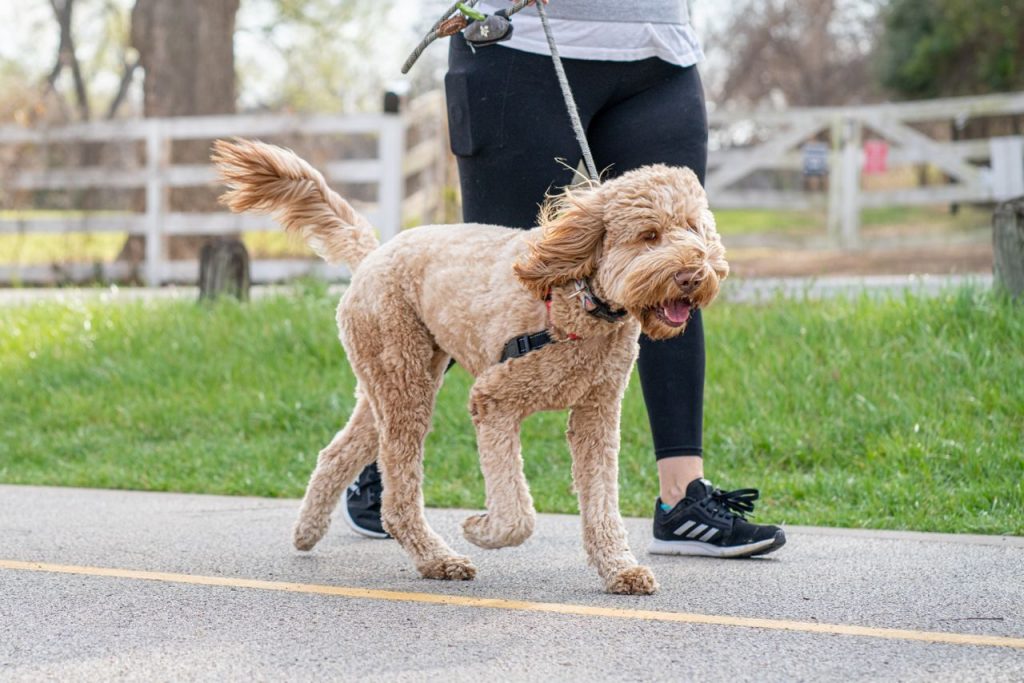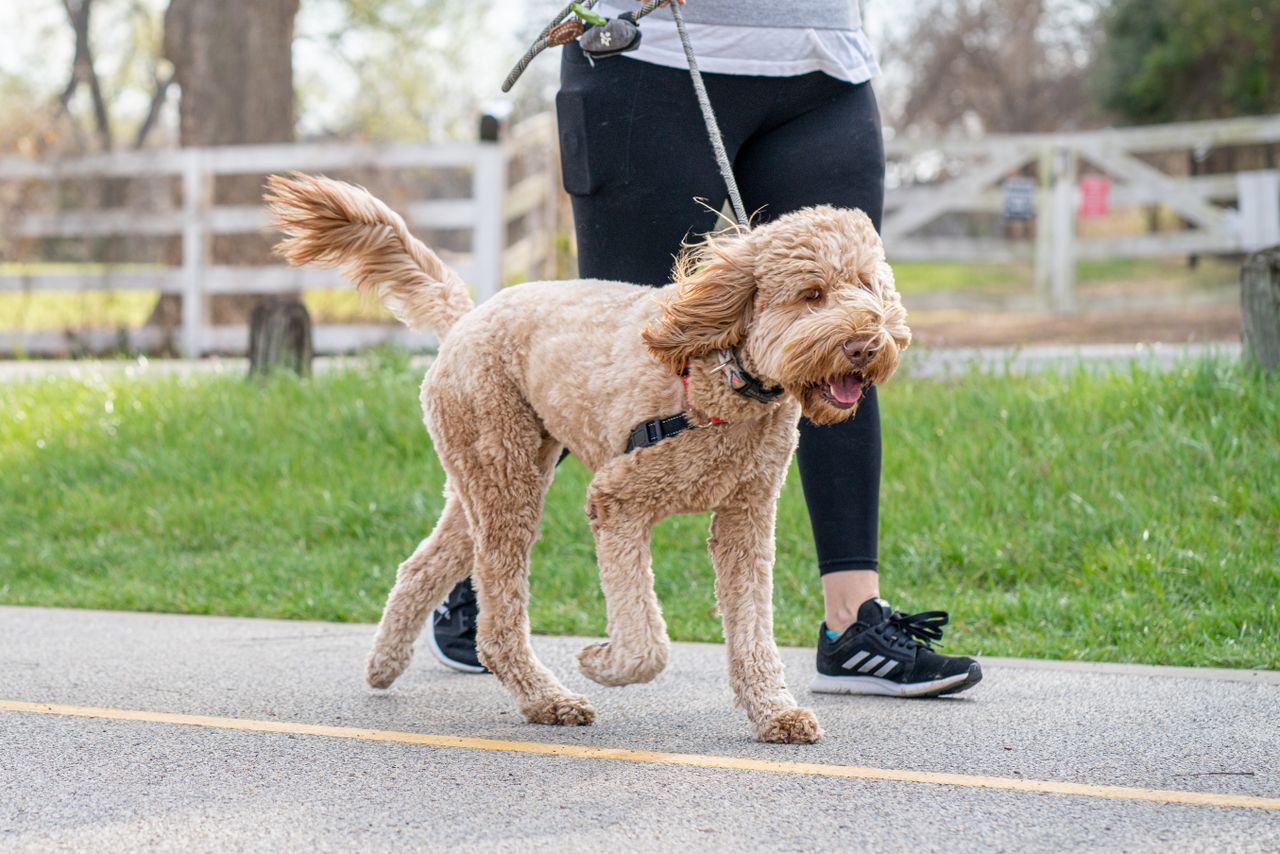
Choose a few ordinary moments
A useful picture of your dog’s routine comes from ordinary moments you already share. Start with meals, a familiar walk, quiet time and an evening interaction. You do not need to watch continuously or turn the day into a test. A short note about what happened is more informative than a numerical score for whether your dog had a good day, because a score hides the details you might later need to describe.
Use simple headings such as food offered, rest, toileting and interaction. Write in everyday language and include approximate times where they help the account. For example, distinguish leaving part of a familiar meal from refusing a new food you offered for the first time. The aim is to preserve context, not classify the behaviour or make a diagnosis from an isolated observation written into a neat-looking table.
Describe rather than label
Replace broad labels with observable details. Instead of stubborn on walk, note that the dog stopped near a noisy entrance and moved away when space was available. Instead of lazy, record that they remained in their bed during an activity they usually join. Those descriptions leave room for appropriate questions without assuming motivation, personality or a particular health explanation. They also help another household member understand what was actually seen.
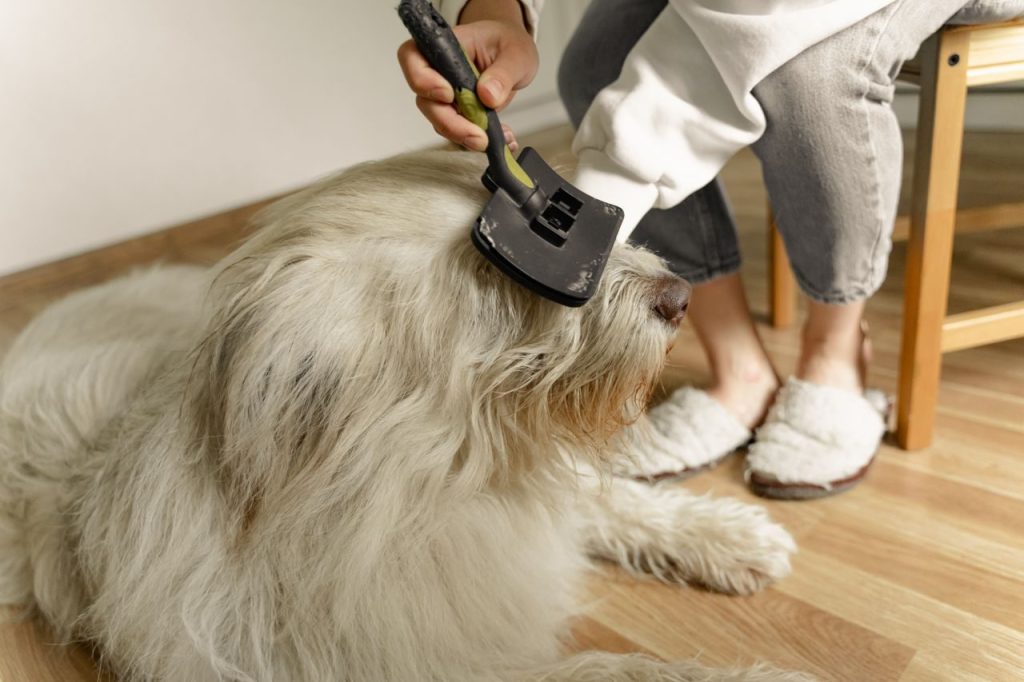
Include relevant changes in the setting, such as visitors, building noise or a different walking route. Do not force a second encounter to test your explanation. An ordinary note about the environment is enough. If several people contribute, agree to record their own observations rather than reinterpret someone else’s experience. This keeps a small diary factual and avoids turning repeated speculation into something that looks like established evidence merely because it has been written down.
Keep the diary manageable
Choose a format that fits your day: a paper notebook near the household planner or a shared note on a phone. Keep entries short enough that you can maintain them without missing the actual care tasks. A useful entry might include the event, its context and any action already taken. Avoid elaborate charts that make everyone feel obliged to complete a row even when nothing meaningful happened or the dog was simply resting undisturbed.
Use patterns to prepare questions
When preparing for a routine conversation with your veterinarian, select the observations relevant to your concern and summarise their sequence. Keep the original notes available if needed. Do not compress everything into a conclusion such as definitely an intolerance or only attention seeking. Clear dates, food details and factual changes give the professional a better starting point than a home diagnosis supported by an impressive-looking but unexplained score.
Act on current concerns
A diary is not a requirement to wait before seeking help. Difficulty breathing, collapse, suspected poisoning or another serious current concern needs prompt veterinary contact, not several more days of observation to establish a pattern. The AAHA emergency guidance identifies signs that need urgent attention. Use your verified local veterinary contacts rather than importing a foreign telephone number from a general article or waiting for the next scheduled appointment.
Respect the dog’s ordinary choices
Recording a routine should not require waking a resting dog, repeatedly touching a sensitive area or provoking a reaction for a video. Observe what happens naturally and keep the dog comfortable. If a brief recording can be made safely during a naturally occurring event, it may help describe a concern, but it should never delay care or depend on recreating something distressing simply to make the evidence clearer.
Review for useful context
After a period of ordinary entries, look for practical information: whether the household is duplicating a meal, whether a noisy task interrupts rest or whether a walk occurs later than everyone thought. Some findings may be organisational rather than medical. Agree a specific household adjustment where appropriate without treating every variation as a problem. A dog can have choices and changing interests without needing a performance chart attached to each one.
Keep the record in proportion
Store the notes where the people responsible for care can find them and review which details remain relevant. Avoid collecting information indefinitely just because a form has space for it. A modest factual record can support a sitter handover or a veterinary question while leaving daily life uncomplicated. Its purpose is better observation and clearer communication, not ranking your dog, proving a theory or deciding that a concerning change can safely wait until enough data has accumulated.